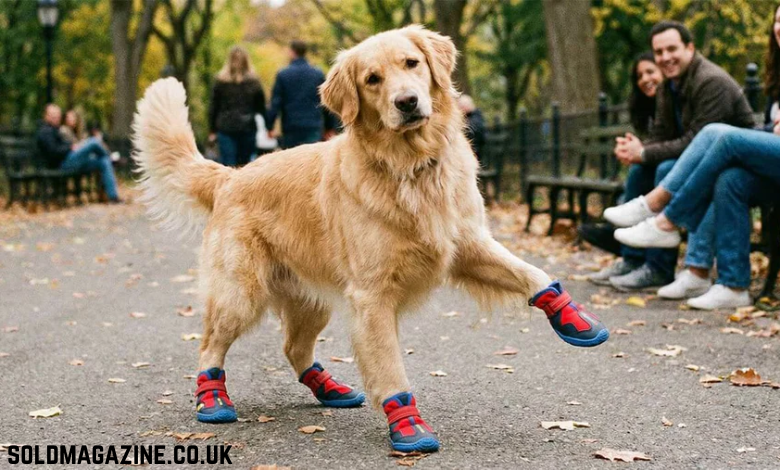
A wagging tail is one of the most iconic images of a happy dog. We see a blur of motion and immediately assume our furry friend is overjoyed to see us. While that is often true, the tail is a far more complex communication tool than most people realize. It’s a sophisticated instrument that broadcasts a wide range of emotions, from excitement and happiness to anxiety and even aggression.
The idea that a wagging tail always equals a friendly dog is a dangerous oversimplification. This misconception can lead to misread signals and unfortunate encounters. To truly connect with our canine companions, we must learn to look beyond the wag itself and pay attention to the details.
This guide will dive into the fascinating science of tail wagging. You will learn to interpret the speed, direction, and height of a wag, helping you move from simply seeing the movement to truly understanding dog body language.
More Than Just a Happy Wag: The Function of a Tail
Before decoding the wags, it helps to know why dogs have tails in the first place. A dog’s tail serves several crucial functions. In the wild, it acts as a counterbalance, helping with agility and balance when running, turning, or leaping. For swimming breeds like Labradors, the tail acts like a rudder to help them steer in the water.
Beyond its physical uses, the tail is a primary tool for social signaling. It is a highly visible appendage that can broadcast a dog’s emotional state and intentions to other animals from a distance. Because dogs are pack animals, clear communication is essential for maintaining social harmony, and the tail plays a leading role in that dialogue.
Decoding the Language of the Wag
Not all wags are created equal. The meaning behind the motion is found in the details. By observing the nuances of speed, height, and direction, you can get a much clearer picture of what your dog is trying to tell you.
Direction Matters: The Left-Right Brain Connection
Recent scientific studies have revealed a fascinating aspect of tail wagging: the direction of the wag is significant. This is linked to the different functions of the left and right hemispheres of the brain.
- Wagging to the Right: Research shows that dogs tend to wag their tails more to the right side of their body when they experience positive emotions, like excitement when seeing their owner. The left side of the brain, which controls the right side of the body, is associated with positive-approach feelings.
- Wagging to the Left: Conversely, a wag that is biased toward the left side of the body is often linked to negative or avoidance emotions, such as nervousness or fear when encountering an unfamiliar, dominant dog. The right side of the brain, controlling the left side of the body, handles feelings of withdrawal and apprehension.
Observing this subtle bias can be a powerful tool for decoding your dog’s behavior in various situations.
Speed and Breadth: The Excitement Meter
The speed and breadth of the wag communicate the level of emotional arousal.
- A Broad, Sweeping Wag: This is the classic “happy wag.” The tail moves back and forth in a wide, relaxed arc, sometimes so enthusiastically that the dog’s whole body wiggles. This full-body wag is a clear sign of friendliness and joy.
- A Fast, Small Wag: A tail that wags in rapid, tiny movements often indicates high arousal or excitement. This can be seen when a dog is about to be fed or let outside to play. It’s a sign of anticipation, but not necessarily relaxation.
- A Slow, Hesitant Wag: A slow wag of the tail, especially at a neutral or low height, can signal insecurity or uncertainty. The dog may be assessing a situation and is not yet ready to commit to a friendly greeting.
Tail Height: Broadcasting Confidence and Status
The height at which a dog carries its tail is a direct indicator of its confidence and social standing.
- High Tail: A tail held high, often with a slight curve, signals confidence, alertness, and assertiveness. A dominant dog might hold its tail high to broadcast its status. If this is paired with a stiff, rapid wag, it can be a sign of aggression or a challenge.
- Low or Tucked Tail: A tail held low or tucked completely between the legs is a universal sign of fear, submission, or anxiety. A dog in this posture is trying to appear smaller and non-threatening. A slight, low wag in this position might be an appeasement gesture, essentially saying, “Please don’t hurt me.”
Considering Context and Breed
Interpreting a wag is not a one-size-fits-all formula. Context is everything. A high, stiff wag might be a threat to an unfamiliar dog but could signal playful excitement when an interactive toy comes out. You must look at the whole picture, including ear position, posture, and facial expression.
Breed characteristics also play a huge role.
- “Happy Tail” Breeds: Breeds like Labradors and Beagles seem to have perpetually wagging tails. Their natural tail carriage is often high and active.
- Curled-Tail Breeds: Pugs and Shibas have tails that are naturally curled tightly over their backs, making subtle wags difficult to see. You’ll need to pay closer attention to the base of the tail for movement.
- Bobbed-Tail Breeds: Breeds like Australian Shepherds or Corgis have very short tails or no tail at all. For these dogs, you have to watch their “nub” or even their whole rear end, which will often wiggle to convey the same emotions.
Actionable Tips for Better Communication
Learning to read your dog’s tail is like learning a new language. It takes practice and observation. Here are some tips to get you started.
- Become an Observer: Spend time just watching your dog in different situations. Notice how their tail position and movement change when they are relaxed, playing, meeting a new person, or hearing a strange noise.
- Respect the Signals: If you see a stiff body, a high and fast wag, and direct eye contact, do not assume the dog is friendly. These are warning signs. Teach children and other adults to recognize these signals to prevent bites.
- Film Your Dog: When you leave the house, set up a camera. Observing their tail carriage and movements when alone can provide insight into whether they are relaxed or suffering from separation anxiety.
Conclusion
A dog’s tail is a rich and expressive instrument of communication. By moving beyond the simple “wagging means happy” mindset, you open up a deeper level of understanding with your pet. Paying attention to the direction, speed, and height of the wag, all within the context of the situation and the dog’s overall body language, allows you to better meet their needs and respect their boundaries.
This nuanced understanding not only keeps you safer but also strengthens the incredible bond you share. The next time you see a wagging tail, take a closer look. You might be surprised by what your dog is really telling you.