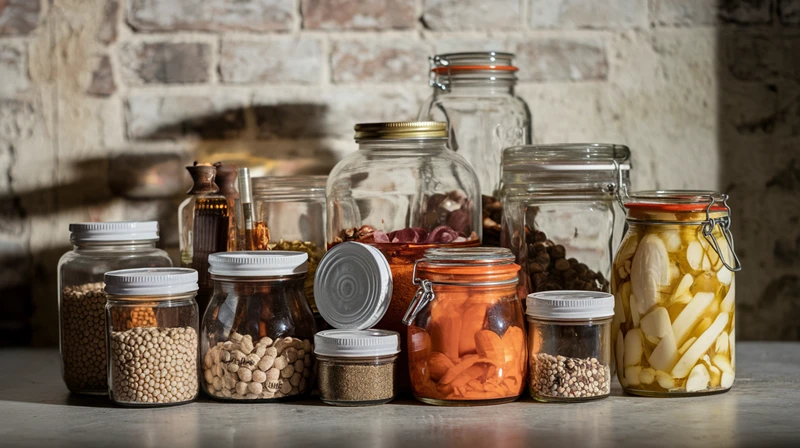
Glass jars occupy an interesting place in the packaging landscape. They are one of the oldest forms of food and product storage, and yet they have experienced a genuine resurgence in recent years as consumer preference has shifted towards packaging that is perceived as higher quality, more sustainable and more reusable than the plastic alternatives that dominated retail shelves for decades. Whether you are a food producer, a retailer, a hospitality business or a craft maker, the choice of glass jar has more significance than it might initially appear. The right jar communicates quality, protects the product, and in many cases becomes part of the product experience itself.
For food producers and small-batch makers, sourcing the right jars at the right price and in the right quantities is a practical challenge that has a significant effect on margins and presentation. A well-established supplier offers both the range and the reliability that product consistency requires. Quality glass jars from a reputable UK supplier come in the range of sizes, shapes and finishes that allow producers to find the right fit for their product rather than adapting their product to whatever packaging is most convenient. The integrity of the seal, the clarity of the glass, the weight and feel of the container in the hand, all of these things contribute to the overall impression of the product and justify the care that goes into selecting the right option.
For drinks producers and premium food brands, the closure is as important as the container itself. A beautifully made jar or bottle with an ill-fitting or flimsy lid undermines the overall presentation significantly. The right glass jars from a supplier who understands the specific requirements of food and drink production, including the need for closures that provide a reliable seal, pass relevant safety standards and look considered rather than generic, are the ones that make it onto the shelves of discerning retailers and into the kitchens of customers who return to buy the same product again. Croxsons, with their long history in glass packaging for the food and drinks industry, understands these requirements at a level of detail that general packaging suppliers typically do not.
The sustainability argument for glass packaging is well established and worth reiterating. Glass is infinitely recyclable without any loss of quality, which puts it in a different category from most plastic alternatives. For brands whose customers are paying attention to environmental credentials, glass packaging is not simply a marketing choice; it is a genuine reflection of a commitment to reducing environmental impact. The increase in cost relative to plastic is, for most premium and mid-market food products, more than justified by the improvement in presentation and the alignment with consumer values.
There is also a functional argument for glass that is sometimes overlooked in the sustainability discussion. Glass is chemically inert and does not affect the flavour of the contents in the way that some plastics can over time, particularly when products are stored for extended periods or exposed to temperature variation. For foods with complex flavour profiles, preserves, sauces, infused oils and fermented products, glass is simply the better container from a product quality perspective.
The retail presentation of glass-packaged products also has a quality that is genuinely difficult to replicate with other materials. The visual clarity of glass, the way light passes through it to reveal the colour and texture of the contents, gives products a premium quality cue that translates directly into consumer perception of value. Products presented in glass consistently outperform identical products in plastic on brand perception metrics, which matters enormously for new and growing food brands trying to establish themselves in a competitive market.
For anyone at the stage of selecting packaging for a food or drink product or reconsidering existing packaging in the light of current market conditions and consumer expectations, the case for investing in the right glass jar from the right supplier is a strong one. It is a decision that affects every subsequent interaction between the product and the customer who buys it.