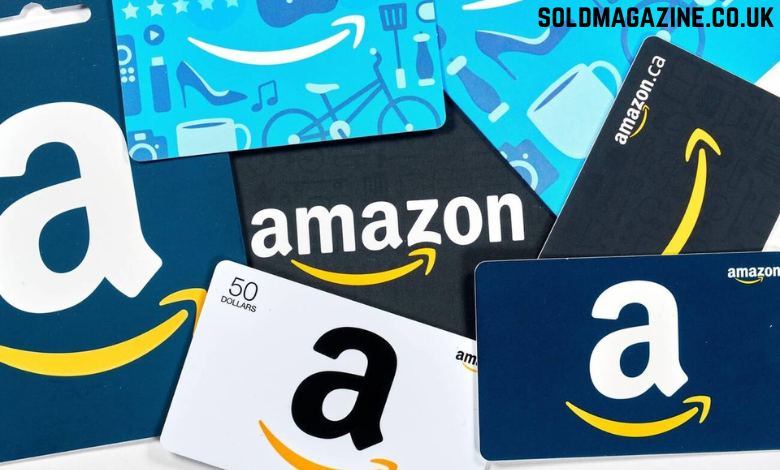
Gift cards have revolutionized the way we give gifts, offering convenience, flexibility, and a broad range of options for every recipient. Whether you are shopping for a last-minute present or planning ahead for a special occasion, gift cards provide a reliable solution. In today’s market, both digital and physical formats are widely available, and even if you are purchasing cheap gift cards online, understanding their differences can help you choose the perfect option for your needs.
While gift cards may seem straightforward, the choice between digital and physical versions can affect the recipient’s experience and the overall convenience of the gift. Each format has its own advantages and disadvantages, making it essential to evaluate your priorities and the preferences of the recipient before making a purchase.
Understanding Digital Gift Cards
Digital gift cards are electronic versions of traditional gift cards, typically delivered via email or text message. They often include a unique code that the recipient can redeem online or in-store, depending on the retailer. This makes them perfect for last-minute gifts or for sending presents to recipients who live far away.
Digital gift cards also tend to be more customizable than their physical counterparts. Many platforms allow you to add personalized messages, themed designs, or even animated e-cards. Additionally, they are often easier to track, reducing the risk of losing the card or forgetting its balance.
The Benefits of Physical Gift Cards
Physical gift cards remain a classic choice due to their tangible nature. Holding a physical card can feel more personal and thoughtful, particularly for recipients who appreciate the traditional experience of receiving a gift. These cards can also be packaged creatively, with envelopes, gift boxes, or themed wrapping to enhance presentation.
Another advantage is that physical gift cards are often more universally accepted. While digital cards require internet access and sometimes specific devices or apps, physical cards can be used in any store location that accepts them.
Convenience and Accessibility
One of the most significant factors when choosing between digital and physical gift cards is convenience. Digital cards excel in this regard—they can be purchased and delivered almost instantly. This convenience is particularly useful for busy shoppers or for sending gifts across long distances.
Physical cards, on the other hand, require time for shipping if purchased online or a trip to a store if bought in person. While they can be more personal, they are less flexible in urgent situations. Balancing convenience with thoughtfulness is key to determining which option works best for your scenario.
Cost Considerations
Cost is another factor to consider, especially if you are looking to buy cheap gift cards online. Digital gift cards often have lower processing and delivery costs, making them slightly more affordable. Some retailers even offer small discounts or promotions for digital purchases, which can make them an economical choice for budget-conscious shoppers.
Physical cards may include additional fees, especially if shipped, or if they are packaged in special designs or gift sets. These costs may be justified by the added personal touch and presentation, but they are important to factor into your decision-making.
Security and Fraud Risks
Digital gift cards offer advantages in terms of security. Since they are delivered electronically, there is no risk of the card being lost in the mail or stolen from a physical location. Many digital platforms also allow users to track their gift card balance and history, adding an extra layer of security.
However, digital cards are not immune to fraud. Phishing emails or counterfeit websites can trick users into revealing their card information. Physical cards, while vulnerable to loss or theft, are often safer from online scams, though they should still be treated carefully to avoid being misplaced.
Ease of Use
Ease of use is another consideration when choosing between digital and physical cards. Digital gift cards are redeemable online, making them convenient for recipients who prefer shopping from home or using apps. Some digital cards can also be added directly to digital wallets, simplifying the checkout process.
Physical gift cards, however, provide the traditional in-store shopping experience. For recipients who enjoy browsing and making decisions in person, this format may feel more enjoyable and engaging. The choice between convenience and the tactile shopping experience will depend on the recipient’s habits and preferences.
Environmental Impact
Digital gift cards are environmentally friendly since they eliminate the need for plastic cards, paper packaging, and shipping materials. This makes them a sustainable option for eco-conscious shoppers. Additionally, reducing physical waste aligns with broader efforts to minimize the environmental footprint of gift-giving.
Physical cards, while tangible and aesthetically pleasing, require resources to produce, package, and transport. If sustainability is a priority, digital cards may be the better choice, offering a guilt-free way to give without contributing to waste.
Customization and Personal Touch
Physical gift cards have an advantage in terms of customization. You can include handwritten notes, personalized envelopes, or small add-ons that enhance the presentation. This tactile experience can make the gift feel more meaningful and thoughtful, particularly for sentimental occasions.
Digital cards also offer customization, but it is often limited to digital messages or themed e-cards. While these can be visually appealing, they lack the physical presence that can make a gift feel more special. Balancing personalization with convenience is key when deciding which format to choose.
Immediate Gratification vs. Delayed Enjoyment
Digital gift cards provide immediate gratification. Once purchased, the recipient can access and use the card instantly, making it ideal for urgent gifts or last-minute surprises. This immediacy can also add excitement, as recipients can start shopping or redeeming their gift without delay.
Physical cards, on the other hand, offer a sense of delayed enjoyment. The process of unwrapping, discovering, and using the card adds an element of anticipation. This experience can be particularly rewarding for milestone events like birthdays or anniversaries, where the act of unwrapping is part of the celebration.
Gifting Across Distances
One of the standout advantages of digital gift cards is their suitability for long-distance gifting. You can send a gift to a friend or family member across the country—or even across the world—without worrying about shipping delays. Digital delivery ensures your gift arrives on time, regardless of location.
Physical gift cards require more planning for long-distance gifts. Shipping costs and delivery times must be considered, and there is always a risk of the card getting lost or delayed in transit. For global or distant recipients, digital options are often the most practical choice.
Collectibility and Keepsake Value
Physical gift cards can sometimes become keepsakes or collectibles, especially limited edition or branded cards. For fans of specific brands, games, or franchises, receiving a physical card can be exciting beyond the monetary value. Displaying the card, keeping it as a souvenir, or using it as part of a collection adds sentimental value.
Digital cards, while practical, rarely offer this collectible aspect. They are ephemeral by nature and primarily functional, focusing on the convenience of redeeming the gift rather than keeping it as a memento.
Flexibility of Use
Digital gift cards excel in flexibility, particularly for online shopping. Recipients can choose items from a wide range of options without leaving home. Many digital cards can also be used across multiple platforms, giving recipients freedom to select the products or services they truly want.
Physical cards, while sometimes accepted online, are generally more restricted to in-store use. This limitation may affect recipients who prefer the convenience of online shopping, making digital cards a better option for tech-savvy or convenience-focused individuals.
Emotional Impact
The emotional impact of a gift often depends on the thoughtfulness behind it. Physical cards, paired with personalized messages, decorative packaging, or small add-ons, can create a more intimate and heartfelt experience. Recipients often appreciate the effort put into presentation and personalization.
To maximize impact, consider adding personalized touches—even in digital formats—such as animated greetings or unique message designs.
Longevity and Tracking
Digital gift cards offer better tracking and longevity in many cases. Recipients can check their balance online, receive alerts for expiration dates, and often reload the card for future use. This functionality reduces the likelihood of the card being forgotten or lost.
Physical cards are prone to being misplaced, damaged, or forgotten. While they provide a tangible experience, they require careful storage and management. Depending on the recipient’s habits, this could be a significant consideration in choosing the best format.
Cost-Effectiveness
For budget-conscious shoppers, digital gift cards often offer a more cost-effective solution. If you are trying to maximize the value of your gift while minimizing costs, digital cards are a practical choice.
Physical cards may incur additional costs for shipping, packaging, or premium designs. While these costs can enhance presentation, they should be weighed against your budget and the recipient’s preferences.
Combining Digital and Physical Cards
In some cases, a combination of digital and physical gift cards can provide the best of both worlds. For example, you could include a physical card in a gift box along with a digital card sent via email for immediate use. This approach maximizes convenience, personalization, and the emotional impact of the gift.
Combining formats also allows you to cater to different recipient preferences. Some people enjoy the tactile experience of a physical card, while others prefer the instant accessibility of digital options.
Conclusion: Choosing the Right Format
Choosing between digital and physical gift cards depends on your priorities, the recipient’s preferences, and the context of the gift. Digital cards offer convenience, speed, and eco-friendliness, while physical cards provide a tangible, personal, and often collectible experience. Budget, timing, and personalization should all factor into your decision.
By understanding the pros and cons of each format, you can make an informed choice that maximizes both the practicality and emotional impact of your gift. Even when purchasing cheap gift cards online, thoughtful consideration ensures your gift feels intentional, memorable, and truly appreciated.