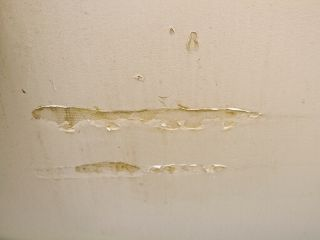
Drywall is one of the most durable and cost-effective materials used in modern homes, but even high-quality drywall isn’t immune to everyday wear and tear. From accidental dents to water damage and structural cracks, drywall problems can affect both the appearance and integrity of your home.
The good news is that many drywall issues can be repaired if they’re identified early. However, some problems indicate underlying structural or moisture concerns that require professional attention.
In this guide, we’ll cover the 10 most common drywall problems, explain what causes them, and discuss the best ways to fix each one.
1. Small Holes
Small holes are among the most common drywall problems.
Common Causes
- Picture hooks
- Nails and screws
- Wall anchors
- Minor impacts
How to Fix It
Small holes can usually be repaired using:
- Lightweight spackle
- Joint compound
- Putty knife
- Fine-grit sandpaper
After sanding, apply primer and repaint the repaired area for a seamless finish.
2. Dents and Scuffs
Furniture, vacuum cleaners, children’s toys, and everyday activities often leave dents and scuff marks on drywall.
How to Fix It
Minor dents can usually be repaired by:
- Removing loose drywall
- Applying a thin layer of joint compound
- Sanding smooth
- Priming and painting
Deeper dents may require multiple coats of compound to achieve a perfectly smooth finish.
3. Drywall Cracks
Not all cracks are serious, but they should never be ignored.
Common Causes
- House settling
- Temperature changes
- Foundation movement
- Poor installation
Hairline cracks can often be patched, while large or recurring cracks may indicate structural movement that should be professionally evaluated.
4. Nail Pops and Screw Pops
Small circular bumps appearing on walls or ceilings are usually nail or screw pops.
Why They Happen
- Seasonal expansion
- Lumber movement
- Improper fastening
- House settling
Repair
Remove or secure the loose fastener, install a new drywall screw nearby, patch the holes with joint compound, sand, and repaint.
5. Water Damage
Water is drywall’s biggest enemy.
Common signs include:
- Brown stains
- Bubbling paint
- Soft drywall
- Sagging ceilings
- Mold growth
How to Fix It
The first step is always fixing the water source.
If the drywall has become soft or moldy, the damaged section usually needs to be removed and replaced rather than repaired.
6. Peeling Drywall Tape
Drywall tape can begin separating from the wall over time.
Causes
- Poor installation
- Moisture
- Structural movement
- Low-quality finishing
Repair
The damaged tape should be removed completely before installing new tape and applying fresh joint compound.
Simply adding more mud over loose tape rarely provides a lasting repair.
7. Corner Bead Damage
Outside wall corners receive constant impacts.
Common damage includes:
- Bent metal corner beads
- Chipped drywall
- Exposed metal
- Cracked compound
Repair
Minor chips can be filled.
Severely bent corner beads should be replaced before refinishing the corner.
8. Sagging Ceiling Drywall
Ceiling drywall should remain flat throughout its lifespan.
Sagging usually indicates:
- Water damage
- Loose fasteners
- Improper installation
- Excess weight
This problem should be addressed quickly because severely sagging drywall can eventually separate from the ceiling framing.
9. Uneven or Poor Drywall Finish
Sometimes the drywall itself isn’t damaged—the finish simply wasn’t completed properly.
Signs include:
- Visible seams
- Raised joints
- Sanding marks
- Uneven texture
- Visible screw heads
Professional skim coating and refinishing often provide the best solution for achieving smooth, paint-ready walls.
10. Mold Behind Drywall
One of the most serious drywall problems is hidden mold.
Common warning signs include:
- Musty odors
- Black or green stains
- Soft drywall
- Persistent moisture
- Allergy symptoms indoors
How to Fix It
The affected drywall should usually be removed.
The moisture source must also be eliminated before installing new drywall.
Ignoring mold almost always leads to more extensive repairs later.
Can You Repair Drywall Yourself?
Many small drywall repairs are suitable for DIY homeowners.
Examples include:
- Nail holes
- Minor dents
- Small cracks
- Light scuffs
However, larger repairs involving ceilings, water damage, mold, or structural movement are usually best left to professionals.
When Should You Call a Professional?
Professional drywall repair is recommended when:
- Cracks continue growing
- Water damage is extensive
- Mold is present
- Ceiling drywall is sagging
- Large holes need replacement
- Texture matching is required
- Multiple rooms show similar damage
Experienced drywall contractors can also identify hidden problems that aren’t immediately visible on the surface.
If you’re looking for reliable drywall installation or repair services, Nation’s Drywall Repair provides professional solutions for everything from small cosmetic repairs to complete drywall replacement. Their experienced team can accurately diagnose drywall problems, restore damaged walls and ceilings, and deliver seamless results that blend perfectly with the surrounding surface.
Tips to Prevent Future Drywall Problems
While some damage is unavoidable, homeowners can reduce future drywall repairs by following a few simple maintenance practices.
- Repair plumbing leaks immediately.
- Maintain proper indoor humidity.
- Install door stops.
- Avoid overloading walls with heavy objects.
- Inspect ceilings after severe storms.
- Touch up minor damage before it spreads.
- Address foundation concerns early.
Routine inspections often prevent small issues from becoming expensive repairs.
Frequently Asked Questions
Can drywall cracks indicate foundation problems?
Yes. Small hairline cracks are often caused by normal settling, but large, widening, or diagonal cracks may indicate foundation movement and should be inspected.
Does water-damaged drywall always need replacement?
Not always. Minor cosmetic staining can sometimes be repaired after the moisture source is fixed. Soft, swollen, or moldy drywall generally requires replacement.
Are nail pops a serious problem?
Individual nail pops are usually cosmetic. However, widespread nail or screw pops throughout a home may suggest framing movement or improper installation.
How long does drywall repair take?
Small repairs may take only a few hours, while larger projects involving replacement, drying time, texture matching, and painting can require several days.
Final Thoughts
Drywall problems are common in both new and older homes, but they don’t have to become major headaches. Small holes, dents, nail pops, and cosmetic cracks are often straightforward to repair, while issues such as water damage, mold, and structural cracking require prompt attention to prevent further deterioration.
By recognizing these warning signs early and addressing them correctly, homeowners can protect their property’s appearance, maintain its value, and avoid more expensive repairs in the future. When a repair goes beyond a simple patch, working with experienced drywall professionals ensures the job is completed safely, efficiently, and with results that last for years.