The right artwork can fundamentally reshape how employees experience their workspace. Luxury wall art—characterized by exceptional craftsmanship, premium materials, and thoughtful design—does more than fill empty walls. It creates visual anchors that influence mood, spark conversation, and subtly signal a company’s values and aspirations.
Historically, fine art has been the domain of palaces and private collections, but its role in professional environments has evolved considerably. Today’s offices increasingly recognize that aesthetic investment yields tangible returns: reduced stress, enhanced focus, and a more engaging atmosphere that attracts and retains talent.
The Measurable Impact of Art on Office Environments
Transforming an office with high-quality art creates ripple effects that extend beyond aesthetics. The visual environment shapes how employees think, collaborate, and perform.
- Cognitive Benefits: Art serves as a mental reset point during intensive work sessions. Studies show that brief visual breaks—particularly when viewing complex, engaging imagery—can restore attention and improve problem-solving capacity.
- Cultural Signaling: The art a company displays communicates priorities and identity. A tech startup might feature bold contemporary pieces, while a law firm may opt for classical photography or abstract compositions that convey stability and sophistication.
- Spatial Definition: Large-scale luxury wall art can delineate zones within open-plan offices, creating visual boundaries without physical barriers. This helps define collaborative areas, quiet zones, and social spaces.
- Employee Satisfaction: Workplaces with curated art programs report higher employee satisfaction scores and lower turnover rates.
The connection between environment and performance is no longer speculative. Companies investing in thoughtful interior design wall decor are making a strategic choice about workplace culture and productivity.
Strategic Selection: Choosing Art That Works
For interior designers and office managers, selecting wall art for interior designers requires balancing aesthetic vision with practical considerations. The process demands more rigor than residential projects.
- Contextual Analysis: Assess the room’s function first. Conference rooms benefit from pieces that stimulate discussion without overwhelming conversation. Private offices allow for more personal or contemplative work.
- Scale and Proportion: Undersized art disappears on large walls; oversized pieces can dominate smaller spaces.
- Color Psychology: Blues and greens promote calm and focus, making them suitable for concentration zones. Warmer tones—reds, oranges, yellows—energize collaborative spaces but can overstimulate if overused.
- Lighting Considerations: Natural light changes throughout the day, affecting how colors appear. Test pieces in actual lighting conditions before final selection, and consider UV-protective glazing for valuable works.
- Maintenance Requirements: High-traffic areas need durable, easily cleaned surfaces.
Retailers offering wall art suited for commercial and professional environments include Leisure Piece, Saatchi Art, and options through Minted Trade.
Diverse Styles for Different Professional Contexts
Luxury designer wall art encompasses a broad spectrum of styles, each suited to particular environments and objectives.
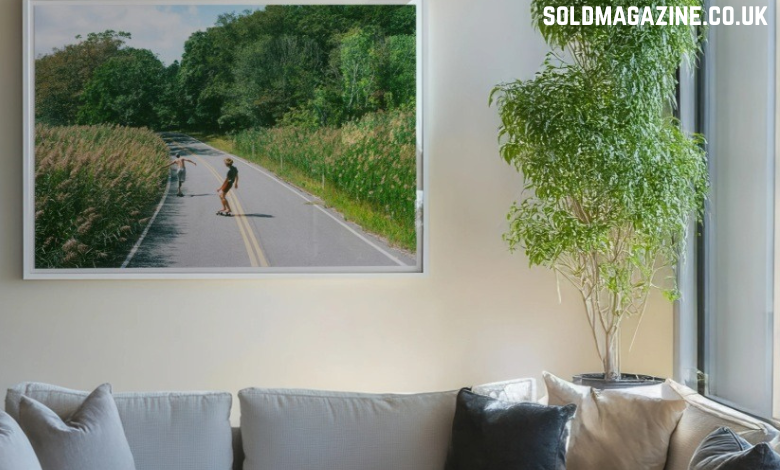
- Fine Art Photography: Luxury fine art photography brings the outside world into windowless spaces. Landscape photography can reduce stress, while architectural photography reinforces themes of structure and precision.
- Abstract Compositions: Non-representational art avoids cultural or political interpretation issues, making it ideal for global companies. Abstract pieces also encourage creative thinking without prescribing specific narratives.
- Minimalist Line Work: Clean, geometric designs complement modern architecture and don’t compete with complex interior elements. These pieces age well and transcend temporary trends.
- Museum-quality frames with conservation matting protect the artwork while adding dimensional interest to flat walls.
- Mixed Media Installations: For statement areas like lobbies, three-dimensional pieces or multiple coordinated works create memorable visual experiences that distinguish a space.
The key is matching artistic style to company culture and the specific psychological effect desired in each space.
Room-by-Room Application Strategies
Different office zones serve distinct functions and benefit from tailored artistic approaches.
- Reception Areas: First impressions matter. Large-scale statement pieces or curated gallery walls immediately communicate company culture. This is where investment in premium framed wall art pays the highest dividends.
- Conference Rooms: Art here should facilitate rather than dominate. Neutral, sophisticated pieces maintain professionalism during client meetings while providing visual interest during long internal sessions.
- Open Work Areas: Distributed smaller pieces throughout open plans create visual variety without overwhelming. Consider thematic series that provide cohesion while avoiding monotony.
- Private Offices: Allow personalization within established parameters. Providing executives with curated options respects individual taste while maintaining design consistency.
- Restrooms: Often overlooked, luxury bathroom wall art demonstrates attention to detail. Moisture-resistant prints in quality frames show that design consideration extends to every corner of the workplace.
Each space presents an opportunity to reinforce the overall design narrative while serving specific functional needs.