Construction in London is changing. Traditional extensions that take months are getting replaced by a faster alternative. Prefabricated and modular extensions are becoming mainstream.
Understanding why prefab extensions are gaining popularity in the UK and London specifically, or learning how costs compare between prefab and traditional construction, helps you see whether this approach makes sense for your property.
If you want to know more about how prefabricated extensions in UK actually work, or understand what architects in london and design and build companies are doing with modular technology, you’ll see why this trend isn’t just hype. It’s a real shift in how people are adding space to their homes.
What’s Driving The Prefab Boom in London
London faces a housing crunch. People need more space. Traditional extensions take forever. Planning permission delays. Construction delays. Disruption to your home for months.
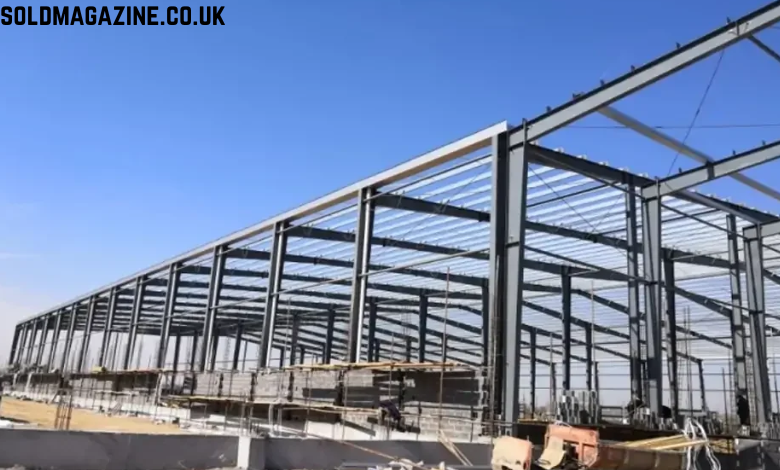
Prefabricated extensions offer an alternative. The extension gets built in a factory. Then delivered to your property mostly complete. Assembly on site takes weeks instead of months.
This appeals to London homeowners dealing with limited time. Working professionals who can’t endure months of construction chaos. Families who need space quickly.
The technology has improved too. Factory construction is now precise enough that quality exceeds on site construction. Prefab modules arrive nearly finished. You’re not getting inferior products. You’re getting better quality faster.
How Prefab Extensions Actually Work
The process is different from traditional construction. You design the extension. The design goes to a factory. They build it according to specifications.
The factory builds walls. Roof. Flooring. Electrical. Plumbing. Windows. Insulation. Much of it gets done in the factory before it arrives at your property.
Then a team delivers it and assembles it on your property. Connections get made. Final systems get tested. You’re in your extension in weeks.
This factory approach means quality control. Everything happens in controlled conditions. No weather delays. No worker absences. No material shortages disrupting the schedule.
The Cost Comparison: Prefab vs Traditional
This is where prefab really appeals. Costs are often lower than traditional extension building.
A traditional single storey extension in London might cost 40000 to 80000. Timeline is 4 to 6 months minimum.
A comparable prefab extension might cost 35000 to 70000. Timeline is 8 to 12 weeks.
You’re not just paying less. You’re also getting it done faster. That’s real value.
Modular extensions can be even more cost effective because they’re built to standard dimensions. Less custom work. More efficiency. Lower labor costs.
Breaking Down Prefab Extension Costs
Design costs remain similar. You still need planning permission in most cases. Still need Building Regulations approval. Still need an architect or designer.
But construction costs drop. Factory efficiency beats on site construction. Labor costs are lower when work happens in a factory with consistent processes.
Delivery costs are a factor. Transporting a prefab module to your property costs money. But usually less than what you save in construction efficiency.
Assembly on site is fast. Usually a few weeks. Minimal disruption compared to months of traditional construction.
Why Modular Extensions Make Sense For London Properties
London properties are small. Space is precious. Extended construction timelines are painful.
A modular extension minimizes disruption. Your home isn’t torn apart for months. It’s disrupted for weeks. Then you’re in your new space.
For working professionals, this is game changing. You can’t take months off work for construction. Modular extensions let you minimize disruption.
For families, the same applies. Your kids don’t have to live through months of dust and noise. Weeks is manageable. Months is torture.
Quality and Design Possibilities
People sometimes assume prefab means limited options. That’s increasingly untrue.
Modern prefab extensions offer significant design flexibility. Different layouts. Different finishes. Different material choices.
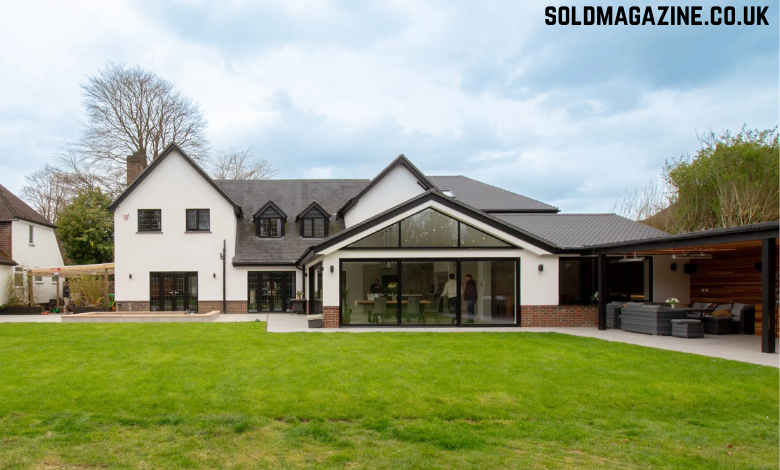
You can customize the extension to match your existing home. Brick. Materials. Window styles. Details that matter.
The prefab factory approach doesn’t limit aesthetics. It enables precision aesthetics. Everything is exactly as specified.
Planning Permission and Prefab
Prefab extensions still require planning permission in most cases. Just like traditional extensions.
The planning process isn’t faster because the extension is prefab. But once planning is approved, your timeline accelerates dramatically.
You’re waiting months for planning. Then weeks for prefab construction. Total timeline is often less than traditional construction even with the same planning delays.
Building Regulations and Prefab
Building Regulations approvals are required just like traditional construction. Inspections still happen.
But factory built means predictable compliance. Everything is built to specification. Inspectors are verifying compliance with known standards.
This sometimes speeds up Building Regulations approval. Less variability means less uncertainty.
Delivery and Site Logistics
The prefab module gets delivered to your property on a truck. Your site needs access for that truck. Space to position the module.
For London properties with tight constraints, this can be complicated. Not impossible but requires planning.
An experienced design and build company with prefab knows how to manage logistics. They’ve handled tight London sites before.
Assembly and Finishing
Assembly takes weeks not months. Foundations and connections get made. Final systems get tested.
Some finishing happens on site. Painting. Final details. Outdoor connections.
Your involvement is minimal during assembly. The prefab company handles it. You move in when it’s complete.
What Gets Built in The Factory
Structural walls. Roof structure. Flooring. Insulation. Electrical rough in. Plumbing rough in. Windows. Doors.
External finishes sometimes complete in the factory. Sometimes applied on site. Depends on the design.
Internal finishes vary. Some prefab arrives with internal walls painted. Some arrives bare and gets finished on site.
The more complete it arrives, the faster the assembly process.
Why Architects London Are Embracing Prefab
Extension Architecture and other architects london are increasingly working with prefab because it solves real problems.
Planning and Building Regulations don’t change. But construction efficiency improves. Costs decrease. Timelines compress.
For clients who value speed and certainty, prefab is attractive. For architects, it’s another tool to deliver better outcomes.
The Sustainability Angle
Prefab construction is often more sustainable than traditional construction. Factory efficiency means less waste. Precise manufacturing means less overordering.
Controlled environments mean better quality with less rework. Less rework means less waste.
For environmentally conscious homeowners, prefab is a better choice.
Limitations of Prefab
Prefab isn’t perfect for every situation. Very complex designs are harder in modular format. Tight London sites with difficult access can be challenging.
Also, prefab requires upfront commitment. Design is locked earlier than traditional construction. Changes mid project are expensive.
But for straightforward extensions in accessible locations, prefab works really well.
The Future of Prefab in London
Prefab extensions are becoming mainstream. More manufacturers. More architects familiar with the approach. More homeowners choosing it.
As the market grows, costs will likely decrease further. Options will expand. Quality will improve.
For London homeowners, prefab is increasingly a serious option worth considering against traditional construction.
Why Extension Architecture Recommends Considering Prefab
Extension Architecture evaluates projects individually. Sometimes traditional construction makes sense. Sometimes prefab is better.
For projects where speed matters. Where disruption needs minimizing. Where budget is important. Prefab often wins.
The key is understanding your options. Knowing what each approach offers. Choosing what actually works for your situation.