A home is more than just a place to live; it’s a sanctuary that should offer protection from the elements. Building a resilient home means constructing a structure that can withstand various environmental stresses, from heavy storms to shifting ground. By focusing on key structural components from the ground up, you can create a durable and secure space for years to come. This guide covers the essential elements, from the foundation to the roof, that contribute to a truly robust home.
Starting with a Solid Foundation
The long-term stability of any structure begins with its foundation. This base supports the entire weight of the house and anchors it to the ground. A poorly constructed foundation can lead to significant structural problems, including cracks in walls, uneven floors, and doors that don’t close properly.
Choosing the Right Materials
Selecting appropriate materials is crucial for a strong foundation. Reinforced concrete is a common and effective choice, offering excellent compressive strength. Proper steel reinforcement, or rebar, within the concrete adds tensile strength, helping it resist forces that could cause it to bend or crack. It’s also vital to ensure the concrete mix is suitable for the local soil conditions and climate.
Ensuring Proper Drainage
Water is a primary enemy of foundations. Poor drainage can lead to soil saturation, which increases pressure against foundation walls and can cause water intrusion. Installing a quality drainage system, such as French drains around the perimeter, helps channel water away from the home. Waterproofing membranes applied to the exterior of foundation walls also provide an essential barrier against moisture.
Strengthening the Walls and Frame
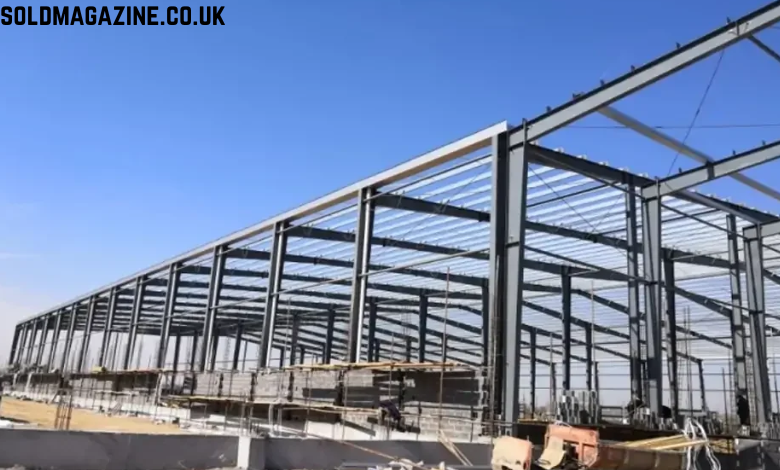
The walls and frame give a house its shape and transfer loads from the roof down to the foundation. Building a sturdy frame is essential for resisting lateral forces like strong winds and seismic activity.
Structural Framing Techniques
Advanced framing techniques can enhance a home’s strength while also improving energy efficiency. Using structural sheathing, such as plywood or oriented strand board (OSB), on exterior walls adds significant rigidity. Securely connecting the frame to the foundation with anchor bolts and using metal connectors at joints between walls, floors, and the roof creates a continuous load path. This system ensures that forces are distributed evenly throughout the structure, preventing catastrophic failure at a single weak point.
Reinforcing Against the Elements
In areas prone to high winds or earthquakes, additional reinforcement is necessary. This can include installing hurricane straps to connect the roof trusses to the wall frame and using shear walls, which are specifically designed to resist lateral forces. These additions fortify the home’s shell, making it far more capable of handling extreme weather events.
Impact-Resistant Windows and Doors
Windows and doors are often the most vulnerable points in a home’s exterior. During a severe storm, a broken window can lead to a dangerous buildup of internal pressure that can cause the roof to lift off.
Investing in impact-resistant windows, which feature laminated glass and stronger frames, is a smart upgrade. These windows can withstand impacts from flying debris without shattering. Similarly, reinforcing exterior doors with heavy-duty hinges, a deadbolt with a long throw, and a strengthened frame can prevent them from being breached during a storm.
Topping It Off with a Durable Roof
The roof is the home’s first line of defense against rain, snow, sun, and wind. A resilient roofing system is one that is properly installed, well-maintained, and made from durable materials.
Material Selection and Installation
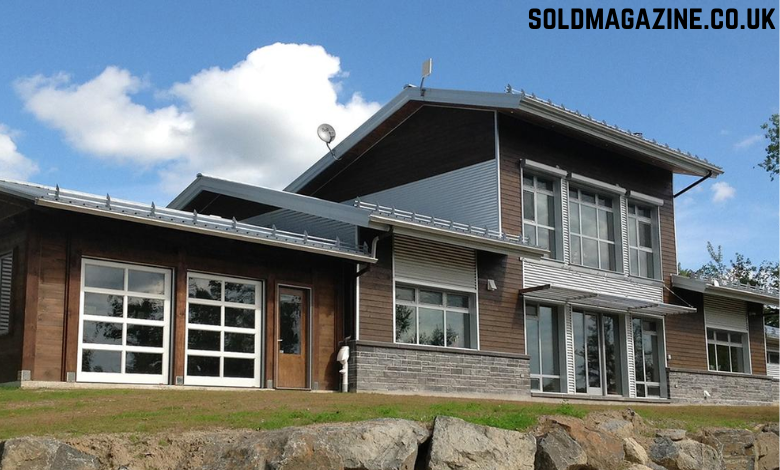
The choice of roofing material greatly influences its longevity and performance. Options like metal, slate, and architectural shingles offer superior durability and wind resistance compared to standard materials. This includes using the correct fastening methods and ensuring adequate attic ventilation to prevent moisture buildup and heat damage. For homes in colder climates, features like metal roof snow guards can prevent large, dangerous sheets of snow and ice from sliding off, protecting people and property below.
By carefully considering each component from the foundation to the roof, you can construct a home that is not only beautiful but also exceptionally resilient. A strong, well-built house provides peace of mind, knowing that your investment and your family are protected against whatever nature brings.