In today’s fiercely competitive market, where countless brands vie for consumer attention, packaging has evolved far beyond its traditional role as a simple protective layer. It now serves as a powerful marketing tool—a silent salesman that communicates brand identity, product quality, and emotional appeal. The first impression often determines purchasing decisions, and that impression largely hinges on how visually striking and refined the packaging appears. Among the many materials revolutionizing modern packaging, corona-treated, Heat Sealable Pet Film has emerged as a frontrunner, offering a unique combination of print excellence, functionality, and sustainability.
This article examines how this advanced film is revolutionizing packaging aesthetics and performance, delving into its science, benefits, and real-world applications that make it indispensable for modern brands seeking to stand out on crowded shelves.
Understanding PET Film and Its Importance in Packaging
Polyethylene Terephthalate (PET) film is one of the most versatile and widely used materials in the flexible packaging industry. Its superior strength, clarity, chemical resistance, and barrier properties make it an ideal substrate for various applications, including food, beverages, pharmaceuticals, cosmetics, and industrial goods. PET films can be engineered to possess different surface energies, heat seal characteristics, and barrier levels, depending on the application’s demands.
Traditional PET film offers excellent dimensional stability and resistance to moisture; however, its untreated surface energy can pose challenges for printing and lamination. In essence, inks, adhesives, and coatings do not readily adhere to untreated PET surfaces, resulting in poor print quality or delamination. This is where corona treatment comes into play.
Corona treatment modifies the film’s surface energy, allowing inks and coatings to bond more effectively, thereby enhancing print fidelity and color vibrancy. When combined with heat sealability, PET film becomes an incredibly efficient all-in-one solution—offering both visual excellence and practical sealing performance.
The Science Behind Corona Treatment
Corona treatment is a high-voltage electrical discharge process used to increase the surface energy of polymer films such as PET. During the process, the film passes through an ionized air region created by a corona discharge. This controlled exposure introduces polar functional groups (such as carbonyl and hydroxyl groups) on the surface of the film, effectively transforming its inert surface into one that is receptive to inks, lacquers, and adhesives.
The process is non-destructive, meaning it alters only the outermost molecular layer without affecting the film’s mechanical properties. By enhancing wettability, corona treatment ensures uniform ink spread, vibrant color reproduction, and long-term adhesion stability.
For converters and brand owners, this surface treatment translates directly into higher-quality prints, reduced ink consumption, fewer rejections, and improved operational efficiency. The enhanced adhesion capability allows for intricate graphics, fine typography, and photorealistic imagery—characteristics essential in modern packaging designs.
Why Combine Corona Treatment with Heat Sealability
While corona treatment enhances the print surface, heat sealability introduces functionality that simplifies package formation. A heat-sealable PET film incorporates a special coating or co-extruded layer that melts and bonds under specific temperature and pressure conditions. This enables the film to form secure seals with itself or other materials, such as BOPP, CPP, or aluminum foil.
By integrating both properties—corona treatment on one side and a heat seal layer on the other—manufacturers gain a dual-function film that meets both visual and functional needs. The result is a high-performance packaging material that not only captivates consumers with stunning graphics but also ensures product integrity and protection through airtight sealing.
Such dual-sided functionality eliminates the need for separate films for printing and sealing, reducing complexity in lamination processes and contributing to cost efficiency. In essence, corona-treated heat-sealable PET film bridges the gap between aesthetic excellence and practical utility.
Delivering Extraordinary Print Results
Packaging success often depends on how effectively it communicates brand personality and product promise. For that, print quality is paramount. Corona-treated heat-sealable PET film offers several advantages that make it the substrate of choice for achieving exceptional print results.
Firstly, its enhanced surface energy enables superior ink anchorage, ensuring sharp image reproduction and consistent color density. Whether for gravure, flexographic, or digital printing, the treated surface maintains excellent compatibility with a wide range of ink systems, including solvent-based, water-based, and UV-curable formulations.
Secondly, the inherent clarity and gloss of PET film amplify the visual impact of printed graphics. Colors appear richer and more profound, metallic effects become more reflective, and fine details remain crisp. The optical brilliance of PET film combined with advanced printing technologies can transform even simple designs into luxurious, high-end packaging visuals.
Moreover, the film’s dimensional stability ensures precise registration during multi-color printing, reducing misalignment or distortion. This stability also plays a crucial role in downstream processes, such as lamination, pouch formation, or label application, where consistent tension and accuracy are vital.
The result is packaging that not only looks exceptional but also retains its vibrancy and structural integrity throughout its lifecycle—from production to retail display and finally into the hands of the consumer.
Versatility Across Packaging Applications
Corona-treated heat-sealable PET film is widely used across various industries due to its ability to accommodate diverse packaging formats. In food packaging, it is ideal for applications such as lidding films, snack pouches, confectionery wraps, and frozen food packs where heat sealing ensures freshness and aroma retention.
In pharmaceuticals and cosmetics, where branding and safety are equally important, this film supports intricate printing for labels, sachets, and blister pack overwraps. The improved ink adhesion and resistance to scuffing help maintain legibility and brand visibility even in challenging handling environments.
For luxury goods and premium consumer products, the film’s glossy or matte finishes create a refined visual experience. When laminated with metallic or holographic layers, it delivers stunning aesthetic effects that attract consumers at first glance. Its ability to support specialty finishes, such as soft-touch coatings or high-gloss varnishes, adds further creative flexibility for designers.
Additionally, its heat-sealable nature allows for compatibility with various sealing technologies, from impulse sealers to high-speed automated packaging machines, making it suitable for mass production without compromising design quality.
Enhancing Sustainability in Modern Packaging
Sustainability is no longer a secondary consideration; it is a defining factor in packaging innovation. Corona-treated heat-sealable PET film contributes to eco-friendly practices in several ways. Firstly, the ability to use a mono-material structure—by eliminating the need for multiple laminated layers—simplifies recycling. This single-substrate approach aligns with circular economy principles by reducing material complexity and improving recyclability.
Secondly, improved printability reduces ink waste and enables thinner ink layers without compromising color intensity. This efficiency lowers volatile organic compound (VOC) emissions and minimizes the carbon footprint associated with printing.
Moreover, PET itself is a recyclable polymer, and ongoing advancements in chemical recycling technologies allow used PET films to be broken down into monomers and repolymerized into high-quality materials. This makes PET a sustainable choice for forward-thinking brands seeking to balance aesthetics, functionality, and environmental responsibility.
The Role of PET Film in Consumer Perception
Consumers today often make split-second judgments based on packaging design. The tactile feel, visual finish, and overall print quality heavily influence perceived value and trust. A package printed on corona-treated, heat-sealable PET film immediately conveys professionalism and quality through its sharp graphics and sophisticated surface finishes.
In addition, the film’s transparency and glossiness enhance the perception of freshness and purity—critical factors in sectors like food, beverages, and personal care. In contrast, matte variants offer a soft, premium look that resonates with luxury or organic product lines.
By enabling designers to experiment with a range of visual and tactile effects, from metallic sheens to minimalistic elegance, PET film allows brands to differentiate themselves and tell their stories more effectively. The film becomes not just a protective layer but an integral part of brand identity and consumer engagement.
Technical Superiority and Performance Consistency
Beyond aesthetics, the functional performance of corona-treated heat-sealable PET film ensures reliability throughout the packaging value chain. Its mechanical strength protects products during storage and transportation, while its barrier properties guard against moisture, oxygen, and aroma loss.
The film maintains its integrity across a wide range of temperatures, making it suitable for both cold-fill and hot-fill applications. It also resists chemical migration, ensuring that the packaged content remains uncontaminated—a crucial factor in food and pharmaceutical packaging.
Moreover, corona treatment enhances the durability of the printed surface, preventing ink peeling, smudging, or fading even when exposed to friction or humidity. This consistent performance reduces the risk of rejections and recalls, which can be costly for manufacturers and damaging to brand reputation.
For converters, the film’s stable surface energy and uniform treatment level simplify handling during lamination and printing, reducing setup times and increasing production efficiency. Its predictable behavior ensures consistent seal strength and optical clarity across production batches, maintaining a uniform look and feel for every package.
Innovations in Film Engineering
The continuous evolution of packaging technologies has driven the development of advanced PET film variants with tailored surface and seal properties. Some modern corona-treated heat-sealable PET films feature dual treatment, with corona treatment applied to both sides, providing versatile printing and lamination options. Others integrate anti-fog, anti-scratch, or anti-static coatings, expanding their use in specialized packaging environments.
Manufacturers are also exploring low-temperature sealable coatings that allow energy savings during the packaging process. Such films enable faster sealing cycles and lower energy consumption, aligning with manufacturers’ goals to enhance sustainability and reduce operational costs.
Additionally, the combination of corona-treated PET with digital printing technologies presents new opportunities for personalized and short-run packaging. High-resolution digital prints on PET films deliver photographic clarity and vivid color gradients, enabling brands to engage consumers with limited-edition or region-specific packaging.
Meeting Regulatory and Safety Standards
In sectors like food, pharmaceuticals, and healthcare, compliance with safety regulations is mandatory. Corona-treated heat-sealable PET films are designed to meet international food contact standards, ensuring that they do not transfer harmful substances to the packaged contents.
The heat seal layer is engineered using FDA- and EU-compliant resins, providing peace of mind for both manufacturers and consumers. Furthermore, the film’s ability to form hermetic seals minimizes contamination risks, extending product shelf life and maintaining hygiene.
This compliance not only enhances consumer trust but also supports global trade by meeting the stringent requirements of multiple regulatory bodies. For multinational brands, the universal acceptance of PET film makes it a reliable and future-proof packaging material.
Driving Brand Success Through Visual Innovation
In a world saturated with visual stimuli, standing out on the retail shelf is an art form in itself. Brands are investing heavily in research and development to create packaging that tells a story, evokes emotion, and inspires loyalty. Corona-treated heat-sealable PET film provides the perfect medium to achieve these goals.
By enabling high-definition prints, metallic foiling, textured finishes, and transparent windows—all on the same substrate—it offers designers limitless creative freedom. A well-designed PET-based package can elevate an ordinary product into a premium experience, influencing not only first-time purchases but also repeat buying behavior.
Whether used in luxury skincare products, artisan chocolates, or energy drinks, the film serves as a canvas that bridges technology with artistry. The visual precision it offers ensures that the brand’s identity remains consistent across global markets, reinforcing recognition and trust.
The Future of PET Film in Packaging Design
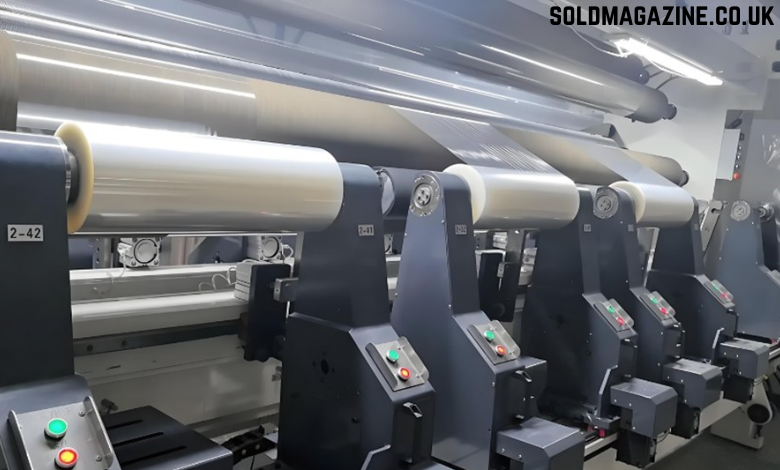
As sustainability, functionality, and aesthetics continue to converge, the future of corona-treated, heat-sealable PET film looks promising. Research is ongoing to develop films with biodegradable coatings, bio-based polyester resins, and advanced recyclability features that align with green packaging initiatives.
The integration of innovative packaging elements—such as QR codes, NFC tags, or thermochromic inks—can also be seamlessly printed on corona-treated PET film, opening the door to interactive consumer experiences. Such innovations will redefine how packaging communicates with users, offering both information and engagement.
Furthermore, as e-commerce expands, brands will increasingly rely on packaging that can withstand logistical stress while preserving its visual allure upon unboxing. PET film’s durability and print retention make it an ideal choice for this evolving retail landscape.
In essence, corona-treated heat-sealable PET film will remain at the forefront of packaging innovation—bridging beauty, protection, and responsibility.
Conclusion
In the modern world of packaging, where visual impact and functionality must coexist seamlessly, corona-treated, heat-sealable PET film stands as a beacon of technological advancement. It combines the brilliance of high-definition printing with the practicality of secure sealing, offering a material that excels in both performance and aesthetics.
Its ability to deliver extraordinary print results stems from a sophisticated interplay of science and creativity—transforming plain substrates into vibrant canvases that capture consumer attention. From food wraps to luxury cosmetics, the film’s versatility ensures consistent quality, sustainability, and shelf appeal across industries.
As brands continue to seek innovative ways to connect with consumers, the role of corona-treated, heat-sealable PET film and Glossy Bopet Film will only grow in importance. It exemplifies how intelligent material engineering can elevate packaging from a functional necessity to an art form—one that reflects the values, aspirations, and vision of the modern marketplace.
In every shimmering finish and flawless seal, this film tells a story of progress—where technology and design merge to create packaging that is not only seen but remembered.