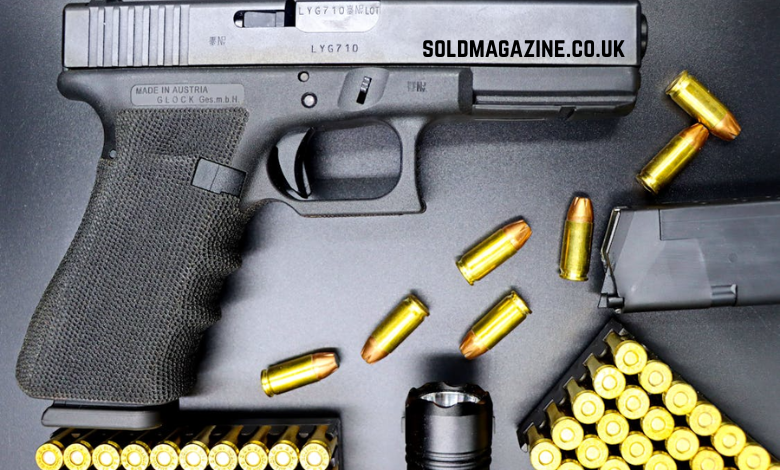
Purchasing your first Glock represents a significant investment in personal protection, sport shooting, or professional use. These Austrian-engineered pistols have earned a reputation for reliability and durability since their introduction to the market in the 1980s. But here’s the thing. Selecting the right Glock model and understanding what features matter most requires careful consideration of multiple factors. Making an informed decision ensures you choose a firearm that matches your intended purpose, physical characteristics, and shooting experience level. Think of this guide as your essential roadmap to navigating the considerations every first-time Glock buyer should understand before making this important purchase.
Understanding Glock Model Variations and Sizes
Glock manufactures pistols across multiple size categories, each designed for specific applications and user preferences. The compact models like the Glock 19 offer versatility for both concealed carry and range use, while full-size options such as the Glock 17 provide maximum capacity and shoot ability for home defense or duty purposes. Subcompact variants including the Glock 26 prioritize concealability above all else, making them popular choices for deep concealment to carry. Understanding these size distinctions helps narrow your selection based on your primary intended use, and that’s where the decision-making process really begins.
Caliber Selection and Ammunition Considerations
Glock pistols are available in various calibers, with 9mm being the most popular choice among new shooters and experienced users alike. The 9mm caliber offers an excellent balance of manageable recoil, adequate stopping power, and affordable ammunition costs for regular practice sessions. Alternative calibers like. 40 S& W and.
Ergonomics and Fit for Your Hand Size
The relationship between your hand size and the pistol’s grip dimensions directly influences shooting accuracy and comfort during extended range sessions. Glock pistols feature interchangeable backstraps on newer generation models, allowing customization of grip circumference to accommodate different hand sizes, a feature that shouldn’t be overlooked. Testing the reach to the trigger in both single-action and after-reset positions helps ensure you can operate the firearm without straining or adjusting your grip. Your trigger finger should contact the trigger face at approximately the center of the first pad for optimal control and consistent placement.
Intended Purpose and Carry Considerations
Your primary use case should heavily influence which Glock model you ultimately select as your first purchase. Home defense applications favor full-size models with higher capacity and accessory rails for mounting lights or lasers. Concealed carry demands careful consideration of the pistol’s dimensions, weight, and how it will interface with your body type and clothing choices throughout different seasons. Competition shooting benefits from full-size or compact models with longer sight radius and greater ammunition capacity for those timed stages.
Optics Compatibility and Accessory Mounting Options
Modern Glock pistols increasingly feature mounting systems that allow installation of red dot optics directly to the slide without requiring custom machining. The MOS (Modular Optic System) models come from the factory with a standardized mounting platform and adapter plates for various optic footprints. Understanding whether you want the option to mount an optic immediately or in the future affects which generation and model variant you should purchase, and it’s worth thinking ahead of this one. Red dot sights offer significant advantages for rapid target acquisition and improved accuracy, particularly for shooters with aging eyes or vision challenges that make traditional iron sights difficult to use. However, learning to shoot proficiently with iron sights remains fundamental before transitioning to optics. When installing aftermarket optics, professionals who need to ensure proper sight alignment and secure mounting often rely on a glock mounting plate designed for their specific optic footprint. The accessory rail on compact and full-size Glocks accommodates weapon-mounted lights, which many experts consider essential for home defense applications where target identification is critical. Evaluating your current needs against future upgrade possibilities helps ensure your first Glock purchase remains relevant as your skills and preferences evolve over the years.
Training Requirements and Ongoing Practice
Owning a Glock or any defensive firearm carries the responsibility of developing and maintaining proficiency through regular practice and professional instruction. Budget considerations should include not just the pistol’s purchase price but also ammunition costs for training, quality holsters, eye and ear protection, and formal courses from qualified instructors, these expenses add up faster than most new shooters expect. New shooters benefit immensely from taking a basic pistol course that covers safety fundamentals, proper grip technique, trigger control, and sight alignment principles. Plan to shoot at least monthly once you’ve developed basic proficiency, as shooting skills deteriorate quickly without consistent practice, much like any other physical skill.
Conclusion
Selecting your first Glock requires thoughtful evaluation of model sizes, caliber options, ergonomic fit, intended purpose, accessory compatibility, and your commitment to training. Taking time to handle different models, research their specifications, and honestly assess your needs prevents costly mistakes and ensures satisfaction with your purchase. The Glock platform’s proven reliability and widespread support make it an excellent choice for first-time handgun buyers who approach the decision with proper diligence and realistic expectations. Remember that your first Glock doesn’t need to be your only firearm forever, and many shooters eventually own multiple models for different applications as their needs evolve. Prioritize quality instruction and regular practice over collecting accessories, as skill development ultimately determines your effectiveness with any defensive tool, something no amount of gear can replace.