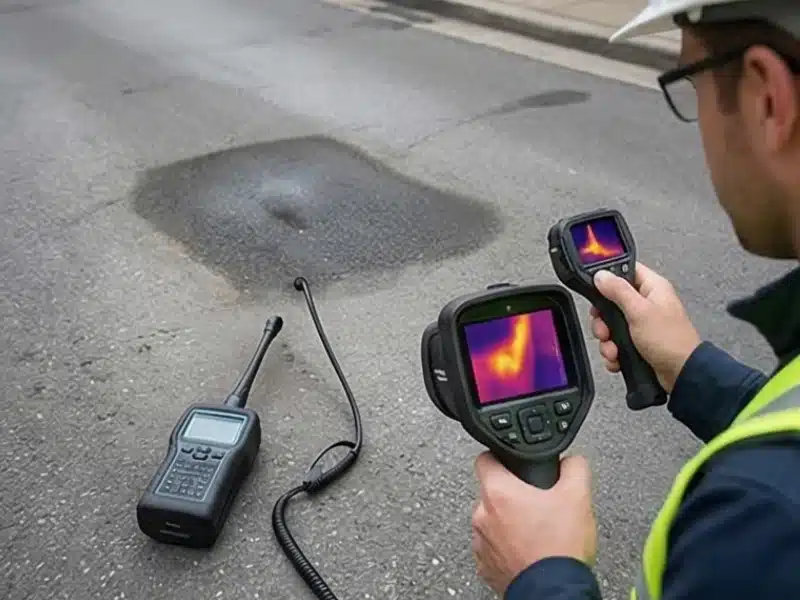
Owning or managing property in the UK comes with clear legal and regulatory responsibilities. Whether you are a landlord, property investor, or commercial building owner, compliance is no longer optional—it is essential for tenant safety, legal protection, and long-term property value. With regulations tightening around energy efficiency and electrical safety, many property owners struggle to keep track of which certificates and assessments are required, when they must be renewed, and what happens if they are overlooked.
This UK property compliance checklist explains the four most important requirements property owners need to understand today: Energy Performance Certificates (EPC), Electrical Installation Condition Reports (EICR), Portable Appliance Testing (PAT), and Retrofit Assessments. Each plays a different role, but together they form the foundation of a legally compliant, safe, and energy-efficient property.
For professional guidance and certified assessment services, property owners can find further information at s6energy.
Understanding UK Property Compliance
Property compliance refers to meeting legal duties designed to protect occupants, improve energy efficiency, and reduce environmental impact. These obligations apply to both residential and non-domestic buildings and are enforced by local authorities and regulatory bodies. Failure to comply can lead to fines, enforcement notices, rental restrictions, and reputational damage.
The four compliance areas covered in this checklist focus on two critical pillars:
- Safety – ensuring electrical systems and appliances do not pose a risk.
- Energy efficiency – measuring and improving how efficiently a building uses energy.
Understanding how each certificate or assessment fits into this framework allows property owners to stay compliant while making informed decisions about upgrades and long-term planning.
Energy Performance Certificate (EPC)
It provides a rating from A (most efficient) to G (least efficient) and includes recommendations for improving performance.
When an EPC Is Required
- Sold
- Rented to new tenants
- Marketed for sale or let
The certificate must be available before marketing begins and shown to prospective buyers or tenants.
Validity and Minimum Standards
EPCs are valid for 10 years, but landlords must ensure the rating meets minimum energy efficiency standards. Currently, most rental properties must achieve at least an E rating, unless a valid exemption applies.
Why EPCs Matter
EPCs are more than paperwork:
- They influence rental and resale value
- They affect tenant demand and comfort
- They highlight cost-saving improvements
- They are increasingly linked to future legislation
With the UK’s focus on reducing carbon emissions, EPC ratings are becoming central to long-term property compliance and investment decisions.
Electrical Installation Condition Report (EICR)
An Electrical Installation Condition Report (EICR) assesses the safety of a property’s fixed electrical systems. This includes wiring, sockets, consumer units, and earthing arrangements.
Who Needs an EICR
EICRs are legally required for:
- All privately rented residential properties
- Many commercial and public buildings
- HMOs and multi-occupancy properties
Landlords must ensure the electrical installation is safe throughout the tenancy.
Inspection Frequency
- Every five years, or
- At the start of a new tenancy, if the existing report is outdated
Older properties or those with previous issues may require more frequent inspections.
Understanding EICR Results
EICR findings are categorised to indicate risk:
- C1 – Danger present (immediate action required)
- C2 – Potentially dangerous (urgent remedial work needed)
- C3 – Improvement recommended
Any C1 or C2 issues must be resolved within the required timeframe, and proof of repairs must be retained.
Portable Appliance Testing (PAT)
Portable Appliance Testing (PAT) focuses on the safety of electrical appliances rather than fixed installations. While not always legally mandated, it is widely regarded as best practice.
When PAT Testing Is Needed
PAT testing is recommended when:
- A landlord supplies electrical appliances
- Properties are furnished
- Buildings are used as workplaces or commercial premises
Common appliances include kettles, microwaves, fridges, heaters, and extension leads.
Frequency of Testing
There is no universal testing interval. Instead, frequency depends on:
- Type of appliance
- Level of usage
- Environment (residential vs commercial)
Many landlords align PAT testing with EICR inspections for convenience and consistency.
Benefits of PAT Testing
PAT testing helps:
- Reduce fire and injury risks
- Demonstrate duty of care
- Support insurance compliance
- Provide evidence during inspections or disputes
Although often overlooked, PAT testing strengthens overall compliance and safety management.
Retrofit Assessment
A Retrofit Assessment evaluates a property’s suitability for energy efficiency upgrades. It takes a whole-building approach, examining construction, condition, occupancy, and energy use.
What a Retrofit Assessment Covers
A typical assessment includes:
- Building fabric analysis (walls, roof, floors)
- Existing heating and ventilation systems
- Insulation performance
- Moisture and ventilation risks
- Occupant behaviour and usage patterns
The goal is to identify improvements that enhance efficiency without causing unintended damage.
PAS 2035 and Retrofit Planning
Many retrofit assessments follow PAS 2035, a UK standard for domestic retrofit projects. This framework ensures upgrades are:
- Technically appropriate
- Properly sequenced
- Designed to avoid issues such as damp or overheating
Why Retrofit Assessments Are Important
Retrofit assessments are becoming increasingly relevant because:
- They support compliance with energy regulations
- They improve EPC ratings
- They are often required for grant-funded work
- They future-proof properties against upcoming legislation
As energy standards evolve, retrofit planning is moving from optional to essential.
How These Requirements Work Together
Each compliance element serves a different purpose, but together they create a complete compliance picture:
- EPC measures energy efficiency
- EICR ensures electrical safety
- PAT protects against appliance-related risks
- Retrofit Assessment plans long-term efficiency improvements
Managing them together reduces administrative burden and ensures no requirement is overlooked.
Step-by-Step UK Property Compliance Checklist
Step 1: Confirm EPC Status
- Check the EPC register
- Verify rating meets legal standards
- Review improvement recommendations
Step 2: Schedule an EICR
- Use a qualified electrical professional
- Address any C1 or C2 issues promptly
- Retain documentation
Step 3: Review Appliance Safety
- Identify landlord-supplied appliances
- Conduct PAT testing where appropriate
- Label and record test results
Step 4: Consider a Retrofit Assessment
- Especially for older or inefficient properties
- Use findings to plan staged upgrades
- Align improvements with EPC goals
Step 5: Maintain Records
- Store all certificates securely
- Provide copies to tenants or authorities when requested
- Track renewal dates
Consequences of Non-Compliance
Failing to meet property compliance obligations can result in:
- Financial penalties
- Enforcement notices
- Restrictions on renting or selling
- Increased insurance risk
- Legal disputes with tenants
Compliance is not just about avoiding fines—it is about protecting people, property, and long-term investment value.
The Future of Property Compliance in the UK
UK property regulations are moving toward:
- Higher minimum EPC standards
- Greater emphasis on energy efficiency
- Stronger enforcement of safety requirements
Property owners who take a proactive approach today are better positioned to adapt to future changes without disruption or high cost.
Conclusion
UK property compliance is no longer limited to a single certificate or inspection. EPCs, EICRs, PAT testing, and retrofit assessments together form a comprehensive framework that supports safety, sustainability, and legal security. Understanding each requirement—and how they interact—allows landlords and property owners to manage compliance efficiently while improving the quality and value of their buildings.
For expert support with EPCs, EICRs, PAT certificates, and retrofit assessments, property owners can explore professional property compliance services from trusted specialists.