The rise of image to video AI tools has transformed how creators, marketers, and businesses produce videos. With just a single image, these platforms can generate stunning motion visuals—breathing life into photos, portraits, product shots, digital artwork, and even branding material. But with growing demand for professional-grade results, one major question keeps coming up: Does ImageToVideo AI support HD or 4K output?
If you’re planning to use AI-generated videos for YouTube, ads, animation, promotions, or cinematic storytelling, resolution quality matters a lot. HD is now the minimum standard, while 4K is quickly becoming essential for premium content. In this article, we break down exactly how ImageToVideo AI handles video output quality, the advantages of HD/4K generation, and the factors that influence final resolution.
What Is Image to Video AI?
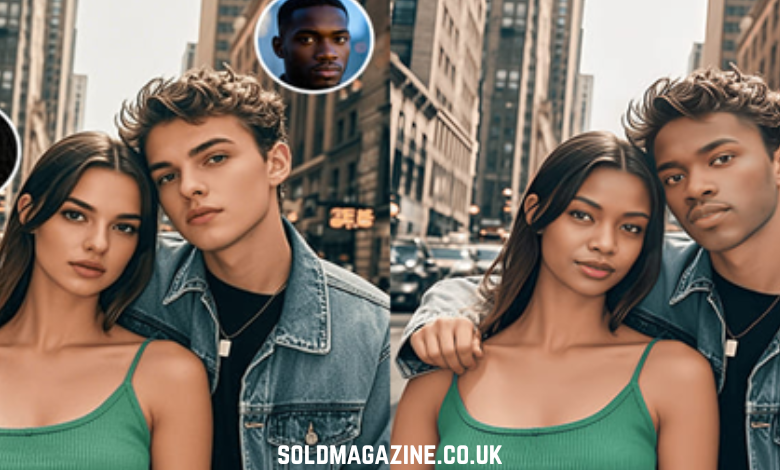
Before focusing on resolution, it’s important to understand what image to video AI does. This technology uses deep learning models—mainly generative models like diffusion and GANs—to analyze a single image and predict motion sequences from it. The result is a short video clip where the image appears alive, animated, and natural.
Common uses include:
- Turning portraits into AI-generated video scenes
- Animating product photos for marketing
- Making cinematic clips from artwork
- Creating dynamic social media content
- Building storytelling sequences from still photos
Because of this versatility, output quality directly affects how usable the generated videos are across different platforms.
Does ImageToVideo AI Support HD or 4K Output?
1. HD Output (720p / 1080p)
Most ImageToVideo AI systems support at least HD resolution. This includes 720p and 1080p, which are ideal for social media, YouTube uploads, ecommerce product animations, and general content creation.
HD quality ensures:
- Sharper details
- Less pixelation
- Better performance on mobile and desktop
- Professional-looking motion output
If your project requires clean visuals without large file sizes, HD output works perfectly.
2. 4K Output (2160p)
Many advanced generators, including pro-level ImageToVideo AI platforms, now offer 4K output, especially for paid or premium users. 4K (Ultra HD) provides twice the pixel density of 1080p, making the visuals incredibly crisp.
4K image-to-video generation is especially useful for:
- Commercial video production
- YouTube 4K content
- Advertisements
- Cinematic storytelling
- Professional presentations
- High-resolution product videos
If your brand or project demands top-tier visual clarity, ImageToVideo AI with 4K output is a major advantage.
Factors That Affect AI Video Output Resolution
Even if the tool supports HD or 4K, the final quality depends on multiple factors:
1. Input Image Quality
The more detailed your image is, the better the AI can animate it. Low-resolution images limit the output quality—even in 4K projects.
Use high-quality images for:
- Clean details
- Sharper edges
- More accurate motion prediction
2. Motion Complexity
If the animation is too complex (e.g., full-body movement from a low-detail image), the AI sometimes reduces clarity to maintain smoothness.
Simple motions like:
- Eye movement
- Hair flow
- Light motion
- Facial expressions
produce the cleanest HD/4K results.
3. Platform Subscription Level
Many platforms offer:
- Free plans → Standard resolution (e.g., 720p)
- Pro plans → 1080p
- Premium plans → 4K output
If your video quality matters, upgrading the plan often unlocks the highest resolution.
4. Duration of Video
Some AI tools limit the resolution for longer video clips. Shorter clips (5–10 seconds) are usually easier to render in 4K.
Why HD or 4K Output Is Important for AI Video Generation
Modern audiences expect high-quality visuals. Low-resolution content tends to look outdated or unprofessional. Here’s why HD/4K support in ImageToVideo AI is a game-changer:
1. Better Viewer Experience
Smooth, sharp visuals hold attention longer and boost engagement.
2. Essential for Professional Use
Businesses, advertisers, filmmakers, and influencers require HD or 4K for:
- Branding consistency
- Ad quality
- Streaming platform requirements
3. Crisp Details for Social Media
On platforms like Instagram, TikTok, and YouTube, high resolution improves algorithmic performance and user perception.
4. Future-Proof Content
4K is rapidly becoming the new standard. Creating in 4K now ensures your content remains usable for years.
Can You Upscale AI-Generated Videos?
Yes. Even if your ImageToVideo AI only supports HD, you can still upgrade your video using:
- AI video upscalers
- Video editing tools supporting 4K export
- Specialized 4K enhancement software
However, native 4K output is always better because upscaling can’t recreate details that weren’t originally generated.
Final Verdict
So, does ImageToVideo AI support HD or 4K output? Yes — most platforms provide HD resolution by default, and many now support full 4K exports, especially in premium plans. If your goal is to create cinematic, professional, or commercial-ready videos, choosing an ImageToVideo AI service with 4K capability is essential.
High-resolution AI videos deliver:
- Better clarity
- More engagement
- Professional visual quality
- Future-proof content
Whether you are a content creator, marketer, business owner, or AI enthusiast, high-resolution image-to-video generation gives your projects the polish they need to stand out.