Choosing the right roofing material for the unpredictable UK climate is crucial for long-term protection and property value. Tile and slate roofs stand out as premium options that handle Britain’s frequent rainfall, frost, and temperature fluctuations exceptionally well.
Professional slate and tile roof installation in London and throughout the UK ensures these materials perform optimally in demanding weather conditions.
Slate roofs offer unmatched longevity of 80-150+ years with minimal maintenance requirements, while tile roofs provide versatile design options and cost-effective durability lasting 50-100 years.
We will discuss the key differences between these materials and the benefits so you can make an informed decision that suits your property’s needs, budget, and long-term maintenance goals.
Key Differences Between Tile and Slate Roofs for UK Weather
Both roofing materials have distinct characteristics that influence their suitability for British weather conditions.
Material and Composition
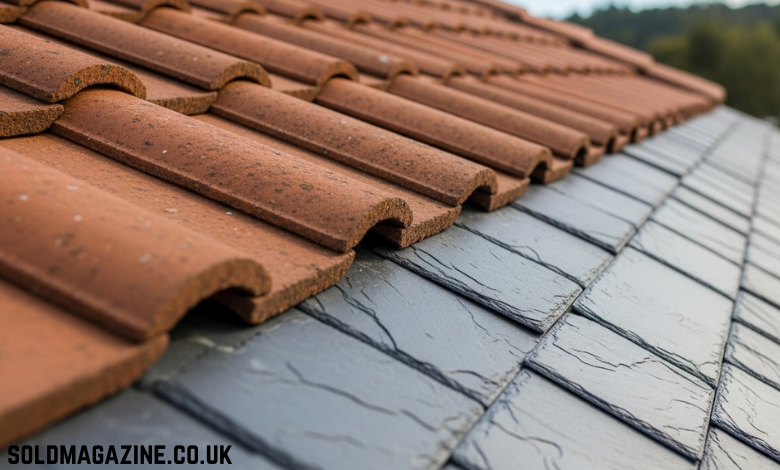
Natural slate is a metamorphic rock quarried from the earth and carefully split into thin, durable sheets. This geological formation process creates a dense, non-porous material with exceptional structural integrity. The most renowned varieties include Welsh slate, prized for its superior quality and weather resistance.
Tile roofs consist of manufactured products made from either fired clay or formed concrete. Clay tiles undergo high-temperature firing that creates their characteristic hardness and colour variations. Concrete tiles are moulded and cured, offering versatility in shapes, sizes, and finishes.
Both tile types provide homeowners with numerous aesthetic customization options unavailable with natural slate. This versatility makes tiles popular for diverse architectural styles across the UK.
Performance and Longevity
When properly installed by experienced professionals offering a slate roofing service in London, these roofs can last between 80 to over 150 years. Some historical slate installations have exceeded 200 years of continuous service. This exceptional longevity makes slate one of the most durable building materials available.
Tile roofs typically provide 50-70 years of reliable performance, though premium clay varieties can reach 100 years with proper care. The UK’s wet climate tests both materials through freeze-thaw cycles and constant moisture exposure.
Slate’s remarkably low water absorption rate of just 0.2-0.6% makes it highly resistant to frost damage. Quality tiles also resist water penetration effectively, though some concrete varieties may be slightly more porous than clay alternatives. Both materials handle Britain’s challenging weather conditions admirably when installed correctly.
Slate requires minimal maintenance once installed correctly, needing only occasional inspections. Tiles demand more regular attention, including annual inspections and periodic cleaning to prevent moss accumulation. This maintenance difference significantly impacts long-term ownership costs.
Cost and Installation
Slate represents a significant upfront investment due to both material costs and specialist labour requirements. The fragile nature of slate tiles demands experienced roofers with specific training in proper handling and installation techniques. Finding qualified contractors who specialize in slate work is essential for optimal results.
Tile roofing, particularly interlocking concrete varieties, proves more budget-friendly and easier to install. General roofing contractors can typically handle tile installations without the specialized expertise slate demands. This accessibility makes tiles attractive for homeowners with tighter budgets.
However, slate’s exceptional longevity often offsets the higher initial cost over the roof’s lifetime. A slate roof may never require replacement during a building’s useful life, whereas tiles might need renewal after several decades. This long-term perspective changes the value calculation considerably.
Aesthetic and Style
Slate delivers a timeless, classic appearance with natural variations in colour and texture that create visual interest. The material’s rich tones, ranging from deep greys to rustic purples and blues, complement both period properties and contemporary designs. This natural beauty enhances property value and kerb appeal significantly.
Tiles offer an extensive range of colours, shapes, profiles, and finishes suitable for modern and traditional homes alike. This versatility allows homeowners to match specific architectural styles more precisely. Manufacturers continuously develop new tile designs to meet evolving aesthetic preferences.
Both materials are considerably heavy, requiring adequate structural support from the roof framework. Slate’s higher density generally makes it the heavier option, potentially necessitating structural reinforcement before installation. Professional assessment ensures your building can support the chosen material safely.
Benefits of Tile and Slate Roofs in the UK Weather
The British climate’s demanding conditions highlight the advantages these premium roofing materials offer. Each option provides distinct benefits that suit different priorities and circumstances.
Benefits of Slate Roofs
Natural slate’s metamorphic composition ensures unmatched longevity and durability. Properly installed, slate roofs often surpass a century of service, with many lasting 150 years or more, reducing the need for multiple replacements over a building’s life.
The material offers exceptional weather resistance against Britain’s rain, with a non-porous surface that repels water. Slate withstands over 100 freeze-thaw cycles without cracking or delaminating, and its density protects against UV degradation, keeping colours vibrant over time.
When correctly installed, slate resists strong winds and storms. Working with qualified local tile roofers in London ensures proper installation that maximizes these benefits.
Slate requires minimal maintenance, resisting algae, moss, and lichen growth far better than porous alternatives, particularly valuable in Britain’s damp climate.
Its natural aesthetic provides timeless beauty, enhancing property value and kerb appeal. Fire-resistant and eco-friendly, slate is minimally processed and sustainable, reducing long-term environmental impact.
Benefits of Tile Roofs
Quality tile roofs offer excellent durability and lifespan that justify their investment. Clay tiles often last 60–100 years, while concrete tiles typically last 50–70 years, providing strong long-term value.
Both types resist the UK’s challenging weather. Properly installed tiles handle heavy rain, prevent leaks, withstand high winds, and resist frost, with overlapping layers effectively shedding water.
Tile roofing also provides versatile design options, with a wide range of colours, shapes, profiles, and finishes, allowing homeowners to suit diverse architectural styles.
Tiles contribute to energy efficiency and thermal regulation. Their mass moderates internal temperatures, reducing heating needs, while clay tiles excel at UV resistance.
Maintenance and repairs are straightforward; individual tiles can be replaced easily and affordably, usually without specialist skills. Both clay and concrete tiles are fire-resistant, enhancing safety and potentially lowering insurance costs.
Installation and Maintenance Considerations
Understanding the practical requirements for both roofing types helps homeowners plan appropriately and budget accurately. Such factors greatly impact the total cost of ownership as well as the user’s satisfaction over time.
Installation Considerations
Slate installation demands specialist roofing expertise due to the fragile nature of the tiles, which require careful handling to prevent breakage. Homeowners should hire experienced professionals familiar with slate to ensure proper fitting.
Tile installation requires less specialized knowledge, with most general roofing contractors able to handle the work. The process is quicker and more budget-friendly, and interlocking tile designs simplify fitting and reduce labour time.
Slate’s labour-intensive installation increases both time and costs. Expert roofers are needed to manage the precise fixing methods, overlaps, and roof pitches required for different slate sizes.
Material handling differs: slate’s fragility demands extra care, while tiles are more robust, reducing breakage and speeding up installation.
Both materials are heavy, requiring adequate structural support. Slate’s higher density often needs stronger roof structures or reinforcement, adding to project complexity and cost.
Maintenance Considerations
Professional slate roof repair in London is relatively rare due to slate’s exceptional durability. Well-installed slate roofs need only occasional inspections, mainly to check and replace worn flashings rather than the slate itself.
Tile roofs require more regular attention, with annual inspections recommended to catch issues early and prevent costly repairs.
Britain’s damp climate encourages moss and algae growth. Slate’s smooth, non-porous surface resists these effectively, while tiles are more susceptible, especially in shaded areas. Regular cleaning helps maintain tile appearance and performance, using methods that avoid damage.
Repairs differ by material: slate requires specialist skills to replace individual tiles without harming surrounding ones. Tile repairs are easier and more affordable, with most contractors able to handle replacements and lower material costs.
Slate roofs’ exceptional longevity often eliminates re-roofing during a building’s lifetime. Tiles, depending on quality and maintenance, may need complete replacement after 50–100 years, representing a significant future expense.
Frequently Asked Questions
Which roof lasts longer in the UK weather?
Slate roofs significantly outlast tile alternatives in British conditions, regularly achieving 80-150+ years of service. Premium Welsh slate installations often exceed 200 years with proper maintenance. Quality clay tiles typically last 60-100 years, while concrete tiles provide 50-70 years of reliable performance.
Slate’s superior longevity makes it the longest-lasting option available. This exceptional lifespan eliminates multiple roof replacements over a building’s life.
Are tile roofs suitable for heavy rainfall?
Both clay and concrete tiles handle heavy rainfall exceptionally well when properly installed. Their overlapping design creates multiple protective layers that effectively shed water. Tiles’ low water absorption rates reduce frost damage risk.
Proper installation with adequate underlayment ensures leak-free performance throughout the UK’s wettest seasons. The interlocking design prevents water penetration even during driving rain and high winds.
Do slate roofs require regular maintenance?
Slate roofs demand remarkably minimal maintenance compared to alternatives. Their dense, non-porous surface resists moss, algae, and weather damage naturally. Occasional inspections verify continued integrity, but active maintenance interventions remain infrequent.
This low-maintenance characteristic represents a significant long-term advantage and cost savings. Most slate maintenance involves flashings and gutters rather than the slate tiles themselves.
Which roofing material offers better value?
Value depends on the timeframe and priorities. Slate costs considerably more initially but may never require replacement, providing superior lifetime value. Tiles offer lower upfront costs and easier installation, suiting tighter budgets.
Over 50+ years, slate’s longevity and minimal maintenance often justify the higher initial investment. Homeowners planning to remain in properties long-term typically find slate more economical overall.
Make the Right Choice Between Tile and Slate Roofing in the UK
Tile and slate roofs both deliver exceptional performance suited to the UK’s demanding weather conditions. Slate provides unmatched longevity, minimal maintenance, and timeless aesthetics for homeowners prioritizing lifetime value. Tiles offer versatile design options, lower initial costs, and excellent durability for those seeking budget-conscious quality.
Consider your property’s architectural style, available budget, and maintenance preferences when deciding. Engage NFRC-certified professionals to ensure proper installation that maximizes your chosen material’s performance. Both options represent sound investments that protect properties and enhance value for decades to come.