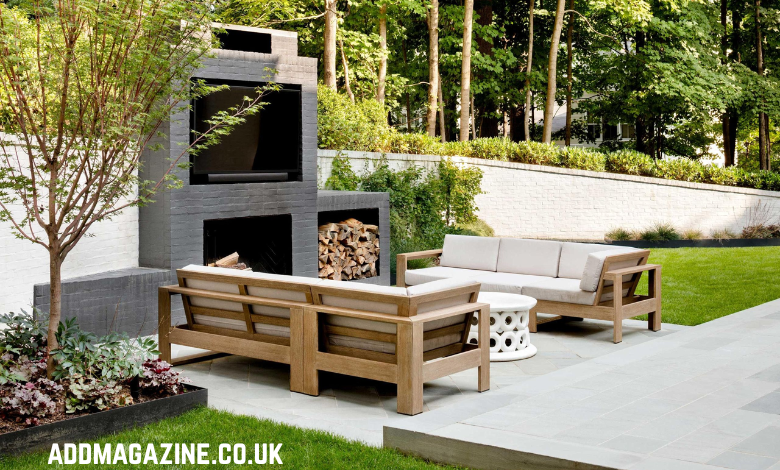
When you’re investing in outdoor furniture, you want pieces that’ll actually last. Not something that’ll look tired after one British summer or fall apart after a few seasons of our famously unpredictable weather. That’s where wooden garden furniture really shines.
I’ve seen plenty of garden furniture come and go over the years. Metal sets that rust through despite the “weather-resistant” claims. Plastic chairs that crack and fade. But quality wooden pieces? They’re still going strong decades later, often looking better with age. There’s a reason you see gorgeous wooden garden furniture set options dominating high-end patios and country gardens across the UK.
Let’s talk about why wood is genuinely your best bet for furniture that stands the test of time.
The Natural Durability of Wood
Here’s the thing about wood, it’s been protecting itself from the elements for centuries before we ever turned it into furniture. The right timber species have evolved natural defences against moisture, insects, and decay. That’s not marketing spin, it’s just biology.
Take hardwoods like teak, oak, or eucalyptus. These trees grow slowly, creating dense grain patterns and natural oils that repel water. Teak, honestly, is probably the gold standard. It contains silica and natural oils that make it incredibly resistant to rot, even in tropical climates. That’s why you see it on boat decks and in botanical gardens.
I remember visiting a friend’s cottage in the Cotswolds last summer. Her grandmother’s teak bench sat in the garden, fully exposed to the elements for over 40 years. Sure, it had developed that beautiful silvery-grey patina, but structurally? Absolutely solid. Not a hint of rot or weakness. Try getting that kind of longevity from a plastic resin set.
Oak’s another brilliant choice, particularly for wooden garden furniture UK buyers should consider. British oak has furnished our homes and gardens for generations because it just works. It’s dense, strong, and when properly treated, resists moisture beautifully. Plus, it ages gorgeously, developing character that synthetic materials simply can’t replicate.
Weather Resistance That Actually Works
Let’s be honest, British weather is a nightmare for garden furniture. One day it’s scorching sun, the next it’s torrential rain, then there’s frost in April when you thought spring had arrived. Your furniture needs to handle all of it without falling apart.
Quality wooden garden furniture manages these extremes remarkably well, especially when you choose the right species. Hardwoods expand and contract minimally with temperature changes, unlike metal which can warp or plastic which becomes brittle in cold weather.
The secret is in the cellular structure. Wood naturally “breathes,” allowing moisture to move through it without causing the catastrophic damage you see with other materials. When metal gets wet, it rusts. When cheap composite materials absorb water, they swell, crack, and deteriorate. But wood? It dries out and carries on.
I’ve got a eucalyptus table on my own patio that’s survived three winters now without any cover. Admittedly, I probably should protect it better, but it’s proven surprisingly resilient. There’s some natural greying, which I actually quite like, but no structural issues whatsoever. Compare that to the aluminium chair I had that developed unsightly corrosion spots after just one season.
Low Maintenance, High Reward
You might think wood requires constant attention, but that’s not really true. Yes, it needs some care, but it’s far less demanding than you’d imagine and the payoff is worth it.
Most hardwood furniture only needs a good clean and oil once or twice a year. We’re talking about an afternoon’s work, maximum. You brush off any debris, give it a wash with soapy water, let it dry, then apply teak oil or a wood protector. That’s it. Your furniture is then protected for months.
Compare this to metal furniture that needs regular checks for rust spots, touching up with paint, and often complete refinishing every few years. Or plastic furniture that you basically just have to replace when it starts looking shabby because there’s no way to restore it.
The beauty of wooden garden furniture is that even if you neglect it completely, it doesn’t fail catastrophically. It’ll weather to grey, sure, but it remains structurally sound. And if you decide you want it looking fresh again? Sand it down lightly and apply some oil. It’s remarkably forgiving.
My neighbour learned this the hard way with her metal furniture set. She missed one tiny scratch in the powder coating, and within months, rust had spread underneath, lifting the finish. The whole thing had to be stripped and repainted. Meanwhile, my wooden chairs just needed a quick oil, and they looked brilliant.
It Gets Better With Age
This is where wood really separates itself from the pack. While other materials deteriorate and look progressively worse over time, wood develops character. That silvery-grey patina isn’t damage, it’s a natural weathering process that many people actively prefer.
You know those stunning weathered teak pieces you see in expensive garden centres and design magazines? That’s just what happens when you leave teak untreated. The wood remains structurally perfect while developing this gorgeous, sought-after appearance. People actually pay extra for “pre-weathered” wooden furniture to get that look immediately.
Even scratches and minor dings add character rather than looking like damage. Wood furniture tells a story. It shows the summer barbecues, the afternoon teas, the kids climbing on it. That’s not something you get with plastic or metal, where every mark just looks like deterioration.
Environmental Considerations Matter
If you care about sustainability, and honestly most of us do these days, wooden garden furniture makes sense. When sourced from responsibly managed forests (look for FSC certification), it’s a renewable resource with a relatively low environmental impact.
Wood also locks in carbon throughout its lifetime. That wooden garden furniture set on your patio is literally storing carbon that would otherwise be in the atmosphere. When it eventually reaches the end of its very long life, it biodegrades naturally rather than sitting in a landfill for centuries like plastic or requiring energy-intensive recycling like metal.
Plus, longevity itself is sustainable. Buying furniture once that lasts 30 years is far better for the environment than replacing cheaper alternatives every few years. The manufacturing, shipping, and disposal impacts add up quickly with short-lived products.
The Investment That Pays Off
Yes, quality wooden garden furniture costs more upfront. A decent wooden garden furniture set will run you more than a basic metal or plastic equivalent. But when you calculate cost per year of use, wood wins hands down.
If you spend £400 on a wooden table that lasts 25 years, that’s £16 per year. If you spend £150 on a metal table that lasts five years before needing replacement, you’ll spend £750 over the same period, and that’s £30 per year. The maths genuinely favours wood.
And that’s before considering the aesthetic value. Wooden furniture enhances your garden’s appearance in a way that plastic simply can’t. It adds warmth, natural beauty, and a sense of permanence that elevates your entire outdoor space.
Making It Last Even Longer
Want to maximise your wooden furniture’s lifespan? Here are a few simple steps that make a real difference.
First, if you can, position furniture where it gets some natural shelter. Under a pergola or tree canopy helps, though it’s not essential. Second, invest in quality furniture covers for winter if you’re not using the pieces. Even hardwood benefits from protection during the harshest months. Third, keep furniture off direct ground contact. Most wooden pieces come with feet or you can use paving slabs underneath to prevent moisture wicking up.
Regular cleaning prevents dirt and organic matter from sitting on the surface where it can hold moisture. And that annual oiling? It really does make a difference, especially for keeping the wood’s natural colour if that’s what you prefer.
The Bottom Line
Wooden garden furniture isn’t just a good choice for longevity, it’s genuinely the best. The combination of natural durability, weather resistance, low maintenance needs, and the way it improves with age makes it unbeatable for anyone who wants furniture that’ll actually last.
You’re not just buying chairs and tables. You’re investing in pieces that’ll serve your family for decades, that’ll weather countless British summers and winters, and that’ll look better in twenty years than most furniture looks after two.
So yeah, wooden garden furniture might cost more initially, but when you factor in longevity, maintenance, and the sheer pleasure of owning something beautiful that lasts? It’s not even close. Wood wins every time.