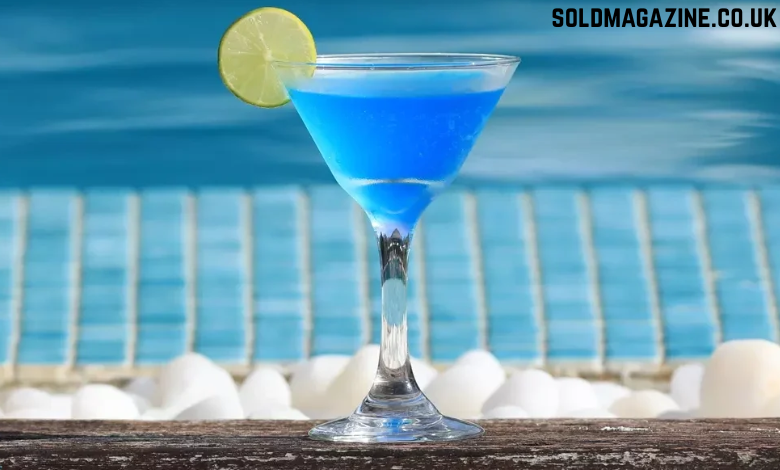
It influences appetite, sets expectations, and often determines whether a product looks fresh, indulgent, or appealing. As consumer awareness grows, food brands are increasingly turning to a natural food color manufacturer to meet the demand for clean-label, plant-based alternatives—especially for complex shades like blue food coloring.
The Growing Demand for Natural Food Colors
Over the past decade, the food and beverage industry has undergone a major shift. Artificial colors, once valued for their consistency and low cost, are being scrutinized for their impact on health and transparency. Consumers today prefer ingredient lists that are simple, recognizable, and derived from natural sources.
This shift has positioned natural food color manufacturers at the center of innovation. Their role extends beyond supplying pigments—they help food brands maintain visual appeal while aligning with clean-label and regulatory expectations.
What Does a Natural Food Color Manufacturer Do?
- Identifying stable natural pigment sources
- Improving heat, light, and pH stability
- Offering application-specific solutions
- Ensuring regulatory compliance across global markets
Their expertise is especially critical for challenging colors like blue, which rarely occur naturally in food.
The Challenge of Blue Food Coloring
Blue is one of the most difficult colors to achieve using natural sources. Unlike red, yellow, or orange pigments, blue shades are rare in nature and highly sensitive to processing conditions. Traditional artificial blue dyes have long dominated the market, but growing consumer resistance has accelerated the need for natural alternatives.
This is where innovation by a natural food color manufacturer becomes essential.
Natural Sources of Blue Food Coloring
Natural blue food coloring is typically derived from sources such as:
- Spirulina: A blue-green algae rich in phycocyanin, commonly used in beverages, confectionery, and dairy alternatives
- Butterfly pea flower: Known for vibrant blue hues and pH-sensitive color changes
- Fruit and vegetable blends: Carefully formulated combinations to create stable blue tones
Each source has its own strengths and limitations, and manufacturers often refine these pigments to enhance stability and usability.
Applications of Natural Blue Food Coloring
Thanks to advancements in formulation, natural blue food coloring is now used across a wide range of applications, including:
- Beverages: Functional drinks, flavored waters, and mocktails
- Confectionery: Gummies, candies, icings, and coatings
- Bakery decorations: Frostings, glazes, and fillings
A reliable natural food color manufacturer ensures that the blue shade remains consistent throughout processing and shelf life.
Why Manufacturers Matter in Natural Coloring
Choosing the right natural food color manufacturer can significantly impact a product’s success. Beyond supplying color, manufacturers provide technical support, shade customization, and application guidance. This partnership helps food brands overcome challenges such as fading, sedimentation, or color shifts.
Manufacturers also invest in research to improve color performance, allowing natural blue food coloring to meet industry standards once dominated by synthetic options.
Benefits of Working with a Natural Food Color Manufacturer
Collaborating with an experienced manufacturer offers several advantages:
- Clean-label solutions that meet consumer expectations
- Customized formulations based on product type and processing conditions
- Regulatory support for different regions and markets
- Consistent quality despite natural source variability
As blue continues to be a trending color in beverages and novelty foods, this expertise becomes increasingly valuable.
The Future of Blue Food Coloring
The future of blue food coloring lies in continuous innovation. Advances in algae cultivation, plant extraction, and fermentation-based pigments are expanding the possibilities for natural blue shades. As sustainability and transparency drive purchasing decisions, natural solutions will continue to replace artificial alternatives.
A forward-thinking natural food color manufacturer plays a key role in shaping this future—bridging the gap between nature and modern food production.
Final Thoughts
Natural food colors are no longer just an alternative; they are becoming the standard. While blue remains one of the most complex shades to achieve, innovation and expertise have made natural blue food coloring more accessible than ever. With the right manufacturer, food brands can deliver vibrant, appealing products without compromising on clean-label values.