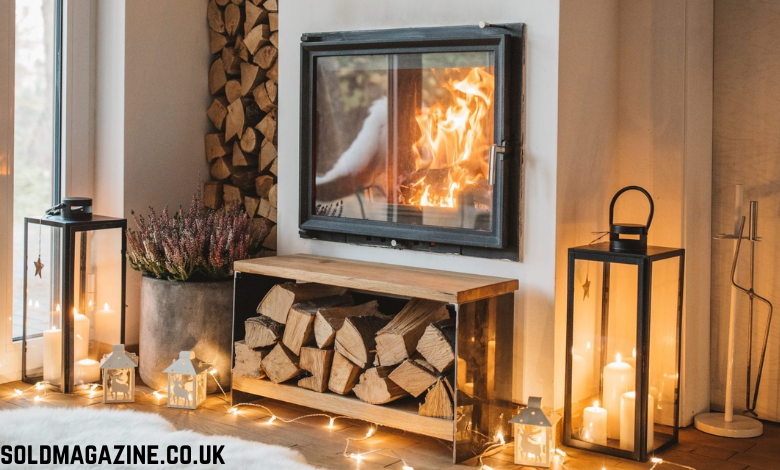
There is something undeniably special about a real wood fire. For many of us in the UK, the colder months aren’t just about turning up the thermostat; they are about the ritual of lighting the stove, the crackle of the logs, and the deep, penetrating warmth that radiators simply cannot match. Whether you have just installed a modern wood burner or you are breathing new life into a traditional open fireplace, the fuel you choose makes all the difference.
Many people assume that wood is just wood, but anyone who has spent a winter relying on a log burner knows otherwise. The species of tree matters immensely. It dictates how easy the fire is to light, how hot it burns, and how long you can go before needing to refuel. Generally, two hardwoods stand out as favourites for British homes: oak and birch.
If you are looking to get the most out of your stove this winter, understanding when to use each wood type is key. This guide will walk you through the practicalities of choosing oak for high heat and birch for beautiful flames, helping you create the perfect fire every time.
Why More UK Homes Are Turning to Wood Heating
In recent years, there has been a noticeable shift in how we heat our homes. While gas and electricity remain the primary sources for central heating, wood burning has seen a resurgence. It isn’t just about nostalgia or aesthetics, though those certainly play a part. Modern wood stoves are incredibly efficient, often reaching efficiencies of over 80%. This means that the vast majority of the heat generated goes into your room rather than disappearing up the chimney.
For many homeowners, wood offers a sense of energy independence. When you have a solid stock of logs in the shed, you are less reliant on fluctuating energy prices or grid outages. There is also a strong environmental argument when the wood is sourced responsibly. Burning wood is part of a contemporary carbon cycle; the carbon released during burning is roughly equivalent to what the tree absorbed while growing. This is quite different from releasing carbon that has been locked underground for millions of years in the form of fossil fuels.
However, the key to unlocking these benefits—efficiency, warmth, and sustainability—lies in the quality of the fuel. Wet, unseasoned wood creates smoke, tars up your chimney, and provides very little heat. This is why kiln-dried logs have become the standard for serious wood burners. By reducing the moisture content to under 20%, these logs ensure a clean burn that complies with modern clean air regulations.
Understanding the Difference Between Oak and Birch Logs
When you are browsing for firewood, you will often see “hardwood” and “softwood” options. For indoor heating, hardwoods are generally superior because they are denser and burn longer. Among hardwoods, oak and birch are the heavyweights, but they behave very differently in the firebox.
Think of birch as your sprinter and oak as your marathon runner. Birch is less dense than oak, which means it catches fire quickly and burns with a lively intensity. Oak, being incredibly dense, takes more energy to get going but rewards you with a slow, steady release of heat that can last for hours.
Experienced fire users often don’t choose just one; they keep a supply of both. They understand that there are moments when you want the instant gratification of birch and other times when you need the endurance of oak.
When to Choose Oak for High Heat and Long Burns
If your main goal is to generate significant warmth over a long period, oak is the undisputed champion. It is a very dense wood, meaning there is more fuel packed into every log compared to lighter species. Because of this density, it burns slowly and creates a substantial bed of hot embers.
Ideal Uses for Oak in Cold Weather
Imagine it is the middle of January. The temperature outside has dropped below freezing, and the house feels cold to its core. This is exactly when you should be reaching for oak. Once an oak fire is established, it acts like a thermal battery. You can load the stove, adjust the air vents, and trust that it will keep radiating heat for a long time.
Many users find that utilizing oak for high heat is the most efficient way to maintain temperature overnight or during long winter evenings. You won’t need to get up from the sofa every twenty minutes to add another log. The heat output is consistent and powerful, capable of warming even large, draughty rooms.
However, patience is required. Oak is not a wood you can just hold a match to. It requires a good base of heat to start burning effectively. If you try to light a cold stove with only large oak logs, you will likely struggle. But once that fire is roaring, oak’s performance is unmatched.
When to Choose Birch for Beautiful Flames and Atmosphere
While oak is the workhorse, birch is the show pony. That isn’t to say it doesn’t produce heat—it certainly does, and very quickly too—but its characteristics are different. Birch bark is unique; it contains natural oils that act almost like a firelighter. This makes birch incredibly easy to ignite.
Why Birch is Popular for Cosy Evenings
There are times when you don’t necessarily need maximum heat output for eight hours. Perhaps it is a mild autumn evening, or you have guests over and want the ambiance of a flickering fire without turning the living room into a sauna. This is the perfect scenario to use birch for beautiful flames.
Birch burns with a bright, lively yellow and blue flame that is mesmerising to watch. It also produces a lovely, sweet aroma that many people associate with a traditional wood fire. Because it burns a little faster than oak, it gives you more control. If you just want a fire for an hour or two while you read a book, birch is ideal. You can let the fire die down naturally without being left with a massive bed of coals that keeps the room hot long after you’ve gone to bed.
Additionally, because it lights so easily, birch is excellent for getting the flue temperature up quickly. This establishes a strong “draw” in your chimney, reducing the risk of smoke spilling back into the room when you first light up.
Practical Tips for Burning Wood Efficiently at Home
Getting the best out of your wood isn’t just about buying the right logs; it is about how you use them. A common mistake is overloading the stove or restricting air supply too much in an attempt to make the fuel last longer. This often leads to “slumbering” the fire, which produces more smoke and less heat.
A great strategy used by many experts is the “sandwich” or mixing method.
- Start with Birch: Use kindling and a log or two of birch to get the fire established rapidly. The birch will raise the temperature of the firebox quickly.
- Add Oak Later: Once you have a bed of hot glowing embers and the stove is up to temperature, add your oak logs. The heat from the birch embers will help the oak catch, and the oak will then sustain that heat.
This gives you the best of both worlds: the easy lighting of birch and the longevity of oak. It prevents the frustration of trying to light dense logs from scratch and ensures you aren’t refueling constantly with fast-burning wood.
Summary of Benefits:
- Oak: Long burn, strong heat, ideal for cold weather and overnight heating.
- Birch: Easy to light, bright flames, great for atmosphere and quick fires.
- Kiln-dried logs: Cleaner burning, less smoke, easier storage, and protection for your flue.
Storage, Safety, and Moisture Control for Wood Logs
Even the best wood in the world will perform poorly if it isn’t stored correctly. Wood is hygroscopic, meaning it acts like a sponge and will absorb moisture from the air or ground if allowed to. Damp wood creates steam instead of heat, cooling the fire and sending unburnt particulates up the chimney.
How to Tell if Your Logs Are Properly Dried
You can usually tell if wood is dry by banging two logs together. Wet wood makes a dull thud, while dry wood makes a sharp, ringing “clack” sound. You should also look for cracks (checks) in the ends of the logs, which indicate drying. However, the only way to be 100% sure is to use a moisture meter or buy from a supplier who guarantees kiln-dried quality.
When storing logs at home:
- Keep them off the ground: Use a log store or pallets to prevent moisture from wicking up.
- Allow airflow: Don’t cover the logs completely with a tarp that touches the wood; they need to breathe. Ideally, use a roofed structure with open sides.
- Bring them inside early: Bring the logs you intend to use into the house a day before burning. This warms them up and drives off any surface dampness, making them burn even better.
Safety is also paramount. Always use a fireguard if you have an open fire, and have your chimney swept at least once a year—twice if you burn frequently. This removes soot and creosote deposits that can cause chimney fires.
Trusted UK Wood Fuel Brands for Everyday Home Heating
Finding a reliable source of firewood is one of the most important steps for any wood-burning household. While petrol station forecourt bags can be convenient in an emergency, they are often expensive and of variable quality. For consistent heating, purchasing in bulk from specialized suppliers is usually the most economical and reliable route.
There are several reputable online vendors in the UK who adhere to strict quality controls. These suppliers ensure that the wood is kiln-dried to specific standards, removing the guesswork about moisture content. For instance, companies like Lekto Woodfuels have built a reputation for providing high-quality kiln-dried logs with convenient delivery options directly to your door. They offer a range of products, including specific hardwoods, ensuring you can stock up on exactly what you need for the season.
Conclusion
Heating your home with wood is a deeply satisfying experience that combines comfort with practicality. By understanding the distinct personalities of your fuel, you can tailor your fire to your needs. Remember to reach for oak for high heat when the winter chill sets in and you need a long, sustained burn. Conversely, choose birch for beautiful flames when you want a quick, lively fire to brighten up a dark evening.
Ultimately, the secret lies in quality. Stick to kiln-dried logs with low moisture content to ensure your stove runs efficiently and cleanly. Whether you mix them for the perfect fire or use them individually for specific situations, oak and birch are the perfect companions for a warm, cosy UK home.