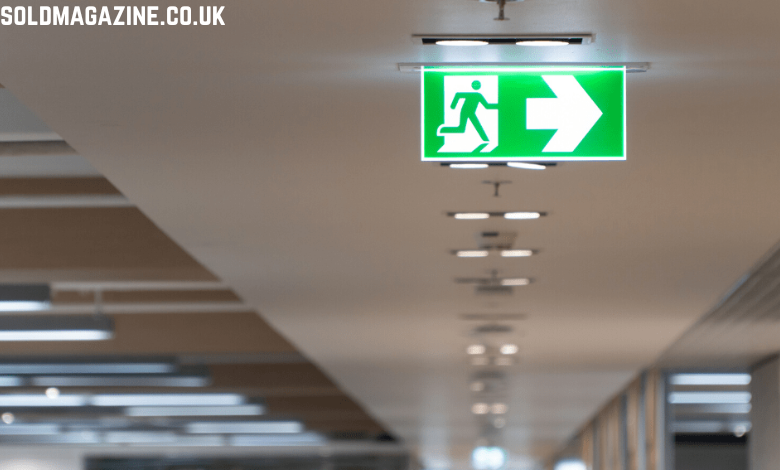
Emergency situations are unpredictable, but the way a building is prepared can strongly influence how safely people respond. In London, buildings are often busy, multi-level, and used by people who may not be familiar with the layout. During a fire, power failure, or other emergency, normal lighting can fail within seconds. When this happens, emergency lighting becomes essential in helping people evacuate safely and calmly.
Emergency lighting is not designed to attract attention during daily use. Its importance becomes clear only when visibility is suddenly reduced. A well-planned system helps people see where they are, understand where to go, and move towards safety without panic or confusion.
Why Emergency Lighting Is Critical During Emergencies
Emergency lighting provides immediate illumination when the main power supply fails. This allows escape routes, exits, and safety signs to remain visible even in complete darkness. In stressful situations, people rely heavily on visual cues. Without lighting, even familiar surroundings can feel confusing and unsafe.
In London workplaces, residential buildings, and public spaces, occupants may include visitors, contractors, or members of the public who do not know the building well. Emergency lighting helps guide everyone, not just regular users, towards exits in a clear and controlled way. This reduces the risk of injuries and overcrowding during evacuations.
Another important role of emergency lighting is supporting people psychologically. Darkness increases fear and panic, while visible routes and exits encourage calm movement. When people can clearly see a way out, they are more likely to respond in an orderly manner.
Planning Emergency Lighting for Real Building Conditions
Effective emergency lighting starts with understanding how a building is used. In London, many properties are older or have been modified over time. Extensions, layout changes, and changes in use can create complex escape routes. Emergency lighting must reflect the actual layout, not just the original design.
Planning involves identifying all escape routes, including corridors, staircases, changes in floor level, and final exits. It also includes open areas where people may gather, such as reception spaces or shared offices. Lighting must be positioned so that no part of the escape route is left in shadow.
The number and type of occupants also matter. Office staff may be familiar with exit routes, but visitors, residents, or customers may not be. Clear, consistent lighting helps everyone understand where to go, regardless of their familiarity with the building.
Reducing Injuries and Confusion During Evacuations
One of the biggest risks during evacuations is physical injury. Trips and falls are common when people move quickly in low visibility. Emergency lighting helps prevent this by clearly showing steps, ramps, doorways, and obstacles.
Stairwells are particularly important in multi-storey London buildings. Without proper lighting, stairs can quickly become dangerous and slow down evacuation. Well-lit stairs allow people to move confidently and reduce the chance of accidents that could block escape routes.
Emergency lighting also helps prevent bottlenecks. When people can see exits clearly, they are less likely to stop, turn back, or crowd into the wrong areas. This improves the overall flow of evacuation and reduces stress for everyone involved.
Legal Expectations in the UK
In the UK, building owners and those responsible for premises have a duty to ensure that escape routes can be safely used at all times. This includes providing adequate emergency lighting where needed. These requirements apply to workplaces, residential buildings, and public spaces.
For those managing buildings in London, meeting these expectations is especially important due to high occupancy levels and varied building designs. Emergency lighting must be suitable for the building and capable of operating during a power failure.
The Health and Safety Executive provides clear guidance on emergency lighting and safe evacuation practices. Their guidance explains how lighting should support escape routes and help people leave buildings safely during emergencies. Reliable information is available from the Health and Safety Executive at www.hse.gov.uk and is widely used across the UK.
Reliability and Ongoing Maintenance
Emergency lighting must work when it is needed most. If systems are not checked and maintained, there is a risk that lights may fail during an actual emergency. Batteries can degrade, fittings can become damaged, and control systems can develop faults over time.
Regular testing helps ensure that emergency lighting remains reliable. This is particularly important in London buildings that operate long hours or experience frequent changes in occupancy. Maintenance also helps identify areas where lighting may no longer be effective due to layout changes.
Planning for power failure scenarios is another key factor. Emergency lighting systems should provide illumination for long enough to allow everyone to evacuate safely. In larger buildings, this duration becomes even more important.
Professional Design and Adaptation Over Time
Emergency lighting works best when it is designed specifically for the building. Emergency Lighting Installation as a service focuses on assessing the layout, identifying escape routes, and ensuring that lighting supports safe evacuation in all areas.
Buildings are not static. Offices are reconfigured, residential buildings are refurbished, and spaces are repurposed. Each change can affect escape routes and visibility. Emergency lighting should be reviewed whenever significant changes occur to ensure it still meets safety needs.
In a city like London, where buildings are constantly evolving, this ongoing review helps maintain a consistently safe environment.
Emergency Lighting Across Different Building Types
Offices rely on emergency lighting to help large numbers of people evacuate efficiently. Clear routes reduce disruption and protect staff and visitors. In residential buildings, emergency lighting supports residents who may be asleep or unfamiliar with evacuation procedures.
Public buildings such as theatres, galleries, and community centres also depend on effective emergency lighting. Visitors may be unfamiliar with the layout, making clear visual guidance essential for safety.
Conclusion
Well‑planned emergency lighting is a key part of building safety, even though it often goes unnoticed during normal use. By providing clear visibility during emergencies, it helps prevent injuries, reduce panic, and support safe evacuations. In London’s diverse and busy buildings, thoughtful planning, reliable systems, and regular review of emergency lighting can make a critical difference when it matters most. For further reading on how safety planning within buildings supports occupant wellbeing, you may find this related article on Sold Magazine about why every apartment needs a balcony safety net helpful: Why Every Apartment Needs a Balcony Safety Net – Sold Magazine.