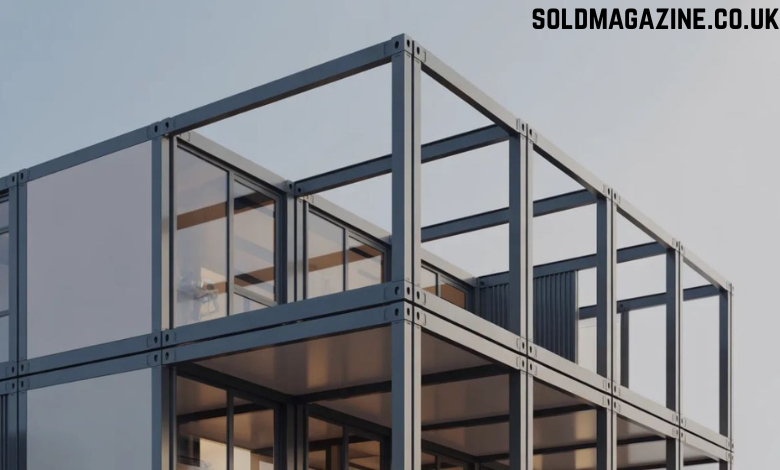
Prefabricated buildings are modular structures manufactured in factories under controlled conditions and transported to your location, ready for installation. Compared to conventional construction, modular buildings are built with volumetric modules that can be stacked to form custom spaces to meet the requirements of commercial, educational, industrial, or residential projects. These new structures are designed to comply with the UK building code and provide flexibility, durability, and fast completion.
How Modular Buildings Differ from Portable Cabins
Portable cabins are often mistaken for modular buildings, which serve different purposes. Permanent structures with a life of 40 or more years supplied by PF Modular are modular buildings, constructed to the same standards as traditional buildings. Portable cabins, on the other hand, are self-contained modules primarily used temporarily, with limited customisation options.
The Modular Construction Process
Modular buildings have a streamlined process, from preliminary investigation through design, production, and installation. The PF Modular method does not omit project management, groundworks, planning support, transportation, and installation, making it a hassle-free experience. Modular buildings are available with architectural exterior finishes and insulation, and are available as new or second-hand units, depending on budget and schedule requirements.
Key Benefits of Modular Buildings
Faster Construction Time
Rapid delivery and installation are among the greatest benefits of modular buildings. The modules are made off-site as the site preparation occurs in parallel to production of the modules, saving construction time by a large margin – it may even take a quarter of the normal construction time.
Cost-Effective Solution
Modular construction is predictable in pricing, labour costs are reduced, and the use of minimal materials is minimised. Precision in the factory reduces waste and on-site labour costs, enhancing the project’s affordability.
Superior Flexibility and Scalability
The Modular buildings are very customisable. With the need to expand, change, or move around, modular units are adaptable, allowing you to add and take away offices and spaces, classrooms, healthcare, and other specialised facilities as your business requirements change.
High-Quality Manufacturing
The modular buildings are constructed in a controlled environment and therefore undergo rigorous quality checks and improved material handling. This improves the weather delays and site disturbances and leaves a strong, well-insulated building that is permanent.
Environmental Performance and Sustainability
The use of modular techniques reduces waste and carbon emissions compared to traditional construction. Accurate material utilisation reduces landfill waste; most materials can be recycled, including steel frames and insulation.
Applications of Modular Buildings Across Sectors
The application of modular buildings is applied in many different industries:
- Education: Classrooms, SEND, lecture theatres, and ICT suites.
- Business: Sales and marketing suites, offices.
- Healthcare: Clinics, provisional health care centres.
- Industrial: On-site offices, employee facilities, and a warehouse.
This flexibility would make modular construction appealing to organisations that require credible space solutions without extended construction durations.
Materials and Construction Standards
The framework of modular buildings is normally made of steel, insulated panels, sturdily clad, efficient glazing, and contemporary interiors. These materials offer good thermal performance, weathering, and durability. All of the modular units are produced in accordance with the building regulations in the United Kingdom, such as fire safety and structural integrity requirements.
Sustainability Features of Modular Construction
Modular building design is based on sustainability. Reduced waste and higher energy efficiency help minimise carbon footprints. Other built-in modular structures include eco-friendly insulation, LED bulbs, and eco-friendly roofs or renewable climate systems, making them green building options for the future.
Challenges and Considerations for Modular Buildings
Although it has numerous benefits, modular construction has certain problems:
- Size Constraints: Modules must be portable, which may limit the design size.
- Perception and Aesthetics: Conventional perceptions can affect valuations.
- Transportation Logistics: Huge modules should be planned with regard to their delivery and handling on the spot.
Knowledge of these factors helps investors and builders make decisions.
Cost Comparison: Modular vs Traditional Construction
Modular buildings have a competitive cost advantage in general:
- Lower overheads on labour and sites.
- Shorter project timelines.
- Lower material waste costs.
Such savings make modular an attractive option for organisations with tight budgets or urgent space needs.
Choosing a Modular Building Supplier in the UK
In choosing a supplier of modular buildings, ask:
- Experience in your business (education, commercial, healthcare).
- Quality control and compliance.
- Turnkey, including planning support and installation.
An established supplier will help to design and guarantee adherence to planning and building control guidelines.
Conclusion: The Future of Construction Is Modular
Modular buildings are a new construction approach that integrates speed, efficiency, well-being, and flexibility. Whether for new offices, classrooms, healthcare facilities, or industry-specific construction, modular construction delivers high-quality, cost-efficient solutions that meet the demands of the modern business environment. Given their advantages, it is understandable why modular buildings are becoming a top choice in most parts of the UK.