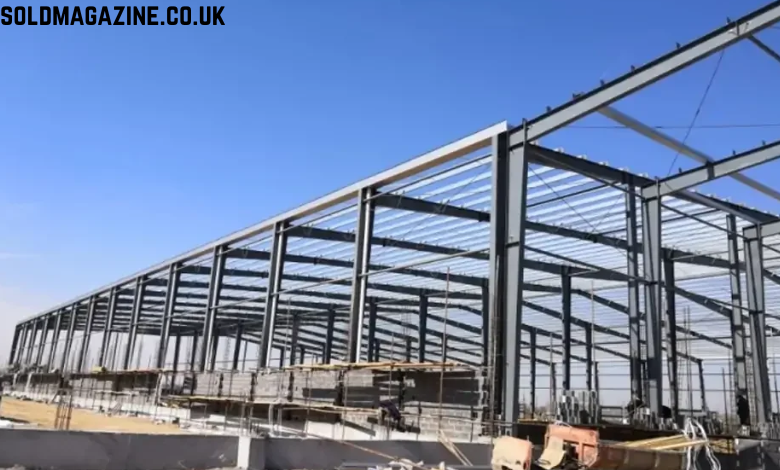
Manufacturing environments present numerous hazards, from heavy machinery and hazardous substances to risks of falls and crushing injuries. Employers carry legal obligations to protect their workforce, and when safety measures fail, workers who suffer harm may be entitled to pursue factory accident claims. Implementing comprehensive safety features reduces these risks and creates healthier working conditions.
- General environment
The foundation of factory safety begins with thoughtful site organisation. Clearly delineated pedestrian walkways separated from vehicle routes prevent collisions between workers and moving equipment, such as forklifts or pallet trucks. The manufacturing sector reported 4,000 non-fatal injuries to employees, emphasising the ongoing need for good preventative measures. Adequate lighting throughout the facility guarantees visibility in all areas, particularly near machinery and loading bays. Anti-slip flooring proves essential in environments handling oils, chemicals or liquids, whilst systematic waste removal prevents trip hazards from accumulating. Proper ventilation systems manage airborne contaminants, dust and fumes that could compromise respiratory health. Clear, multilingual signage communicating hazards and safety protocols guarantees that all employees understand potential dangers regardless of their first language.
- Machinery and equipment
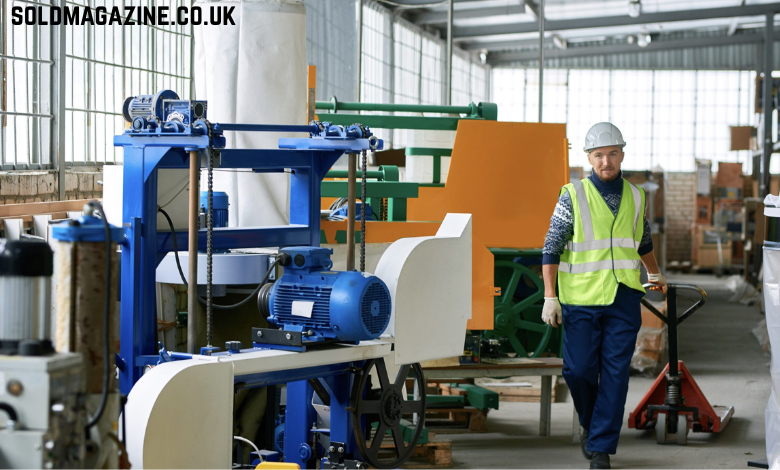
Equipment-related injuries remain among the most severe workplace accidents. Machine guards must cover dangerous moving components, such as gears, belts, chains and rotating parts, preventing accidental contact that could result in crushing or amputation injuries. Emergency stop buttons require strategic placement within easy reach of operators, allowing immediate shutdown when problems arise. Lockout-tagout procedures prevent machinery from unexpectedly starting during maintenance work, protecting technicians from potentially fatal incidents. Regular equipment inspections identify worn components before they fail, whilst maintenance schedules ensure machinery operates within safe parameters. Recent research highlights how collaborative industry approaches to safety technology are driving down accident rates across the sector.
- Hazardous substances and fire safety
Factories handling flammable materials or chemicals require rigorous safety protocols. Fire extinguishers and alarm systems positioned throughout the premises allow for rapid response to emergencies, with regular testing guaranteeing functionality when needed. Designated storage areas for hazardous substances, equipped with appropriate containment systems, prevent dangerous interactions between incompatible materials. Electrical system inspections identify faulty wiring, overloaded circuits or damaged equipment before they trigger fires. Proper labelling of all chemical containers, accompanied by accessible safety data sheets, ensures workers understand handling requirements and emergency procedures.
- Personal safety measures
Comprehensive risk assessments identify potential hazards specific to each role and production line. Mandatory training programmes equip employees with knowledge of safety procedures, correct machine operation, manual handling techniques and emergency responses. Personal protective equipment, like helmets, safety glasses, gloves, hearing protection and steel-toed boots, must be provided, properly fitted and worn consistently. Establishing transparent reporting systems encourages workers to flag unsafe conditions or near misses without fear of repercussions, enabling preventative action before serious incidents occur.
Great safety features protect both workers and employers, creating productive environments where everyone returns home safely.