Introduction
When most people sell a non-runner or faulty car in the UK, they assume the story ends once the vehicle is collected and payment is made. In reality, that is only the beginning.
Behind the scenes, non-runner cars go through a structured process involving inspections, dismantling, recycling, refurbishment, or export. In 2026, this process has become more regulated, environmentally focused, and efficient than ever before.
Understanding what happens after you sell a non-runner car helps vehicle owners make informed decisions and ensures their car is handled responsibly rather than abandoned or illegally scrapped.
Step 1: Collection and Initial Inspection
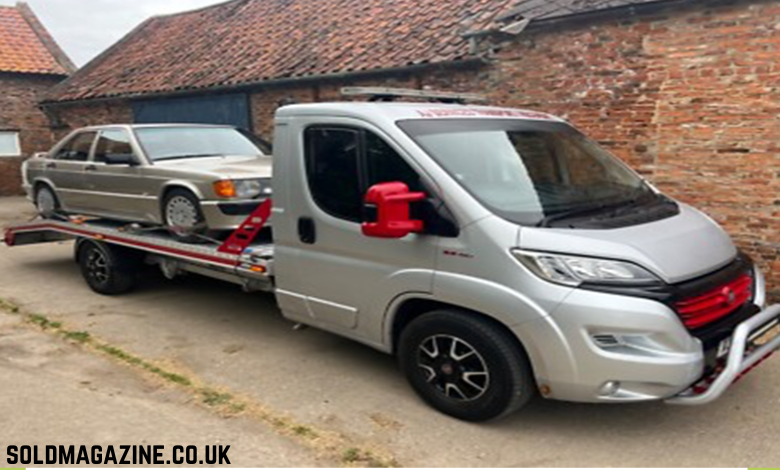
Once a non-runner vehicle is sold to a specialist buyer, it is typically collected using a recovery truck. At this stage, the vehicle undergoes a basic inspection to confirm its condition matches the details provided by the seller.
This inspection is not about reducing value unfairly it ensures transparency and proper categorisation of the vehicle. Reputable buyers such as Cars-Wanted follow clear procedures so sellers experience no last-minute surprises.
For local sellers, especially those looking to sell my car in Barking, fast and organised collections are a key part of a smooth selling experience.
Step 2: Decision Point – Repair, Dismantle, or Recycle
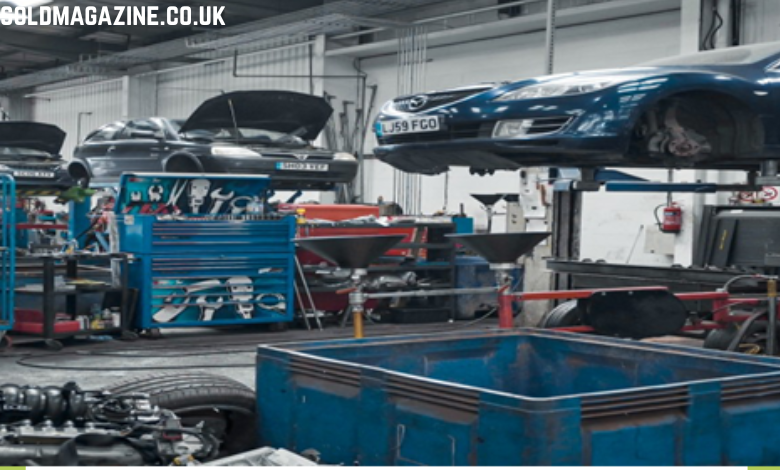
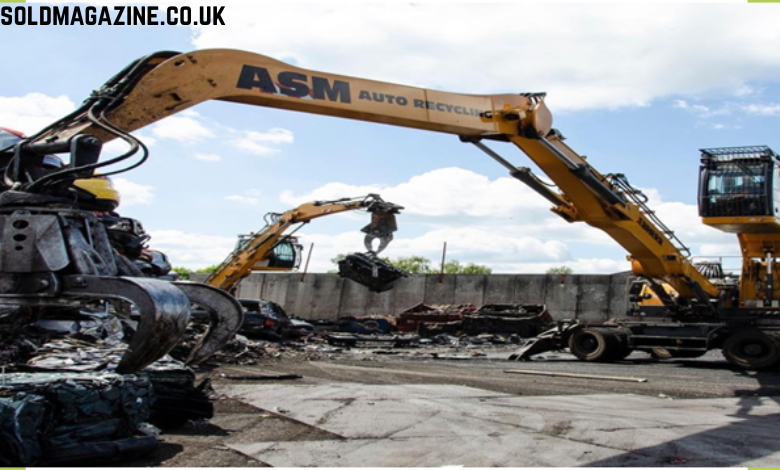
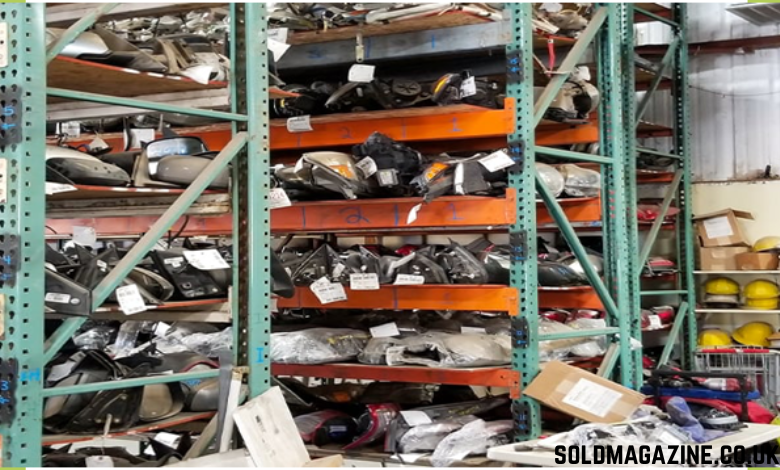
After collection, the vehicle is assessed to determine its most suitable path:
- Dismantling for parts – engines, gearboxes, electronics, panels
- Recycling / scrappage – if the car is beyond economical repair
Cars with engine failure, gearbox faults, or MOT failure often still contain valuable reusable components. This approach reduces waste and supports the UK’s growing circular automotive economy.
For vehicles destined for recycling, services like scrap my car in Dagenham ensure the process complies with environmental regulations.
Step 3: Environmentally Responsible Processing
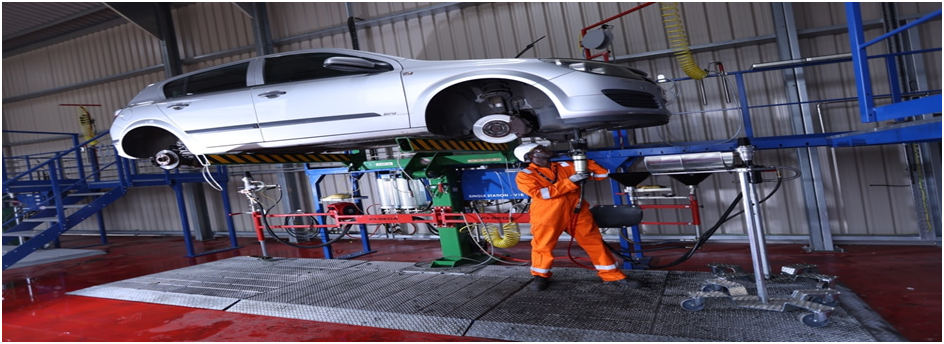
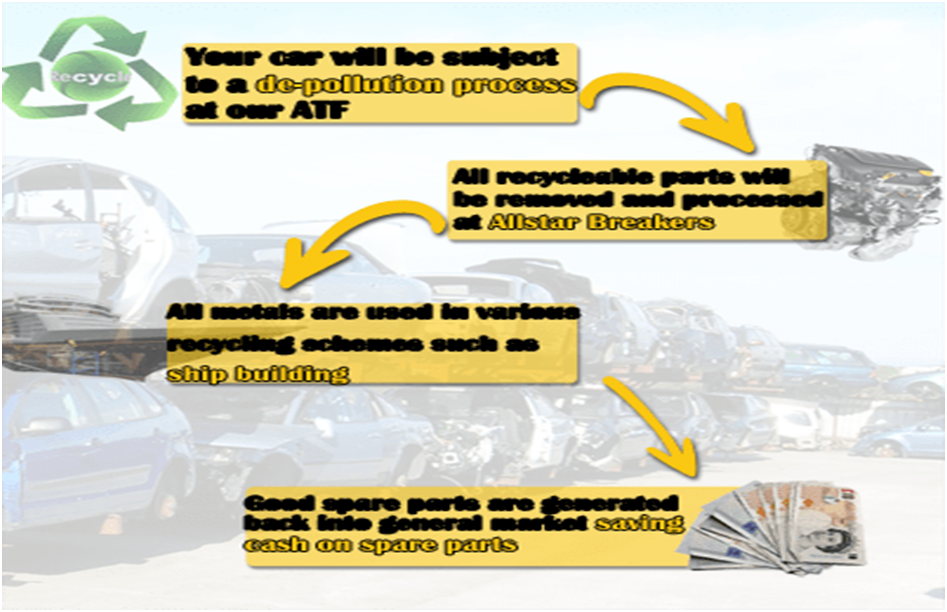
In 2026, environmental compliance plays a major role in vehicle disposal. Non-runner cars are processed under End-of-Life Vehicle (ELV) regulations, which require:
- Safe fluid removal
- Proper battery disposal
- Metal and material recycling
- Responsible handling of hazardous components
This ensures cars are dismantled safely rather than dumped or handled illegally. Sellers who choose established buyers indirectly contribute to sustainability and reduced landfill waste.
Step 4: Parts Reuse and Export Markets
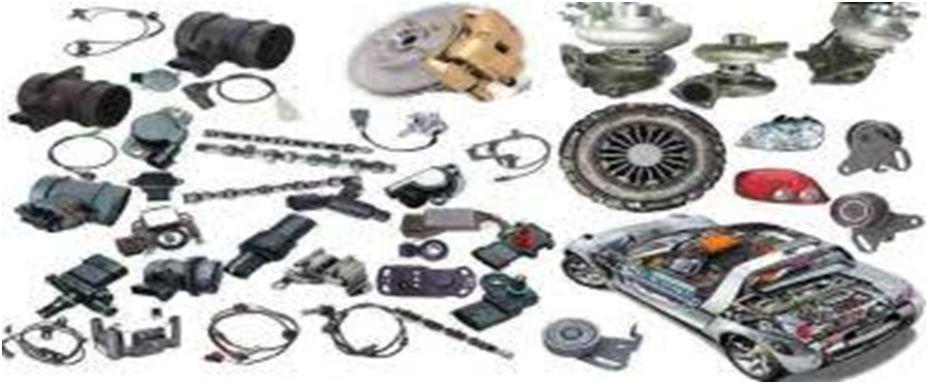
Many non-runner vehicles are valuable not as complete cars, but as parts suppliers. Engines, gearboxes, ECUs, and body panels are refurbished and reused domestically or exported to markets where demand for used UK car parts remains strong.
This secondary lifecycle helps:
- Reduce manufacturing demand
- Lower repair costs for other vehicles
- Extend the usable life of automotive components
It’s one of the reasons non-runner cars continue to hold value even when they cannot be driven.
Step 5: Documentation and Legal Closure
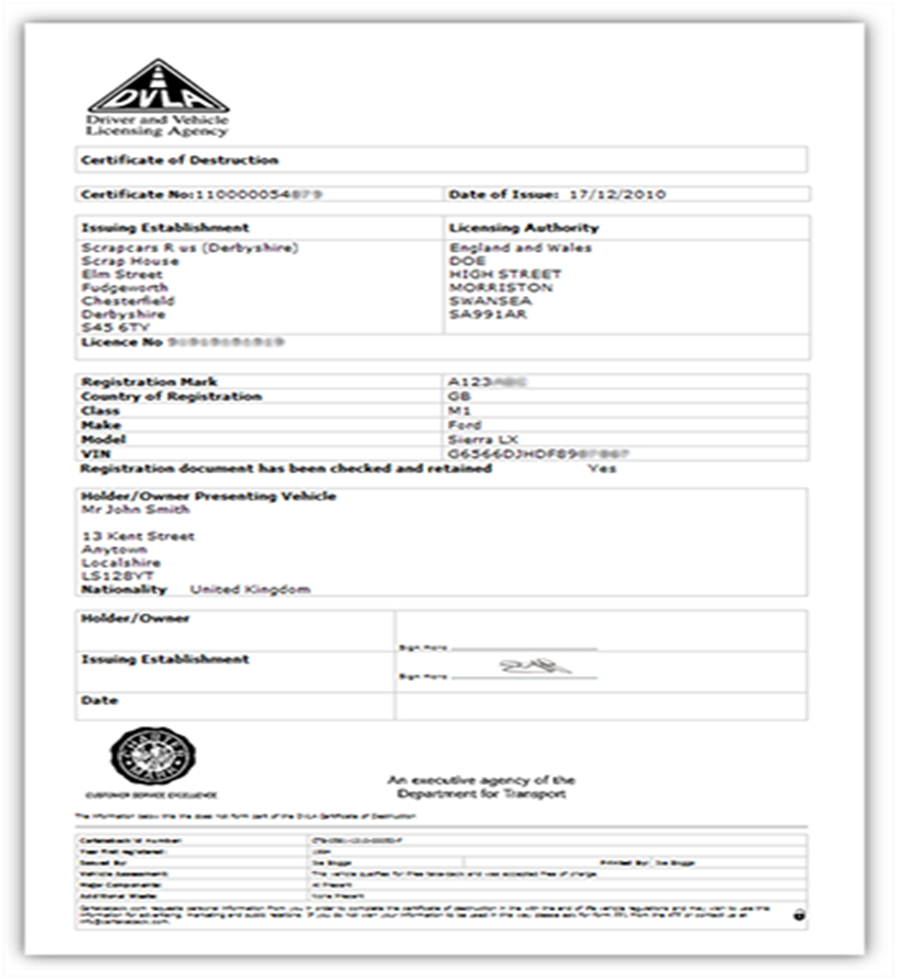
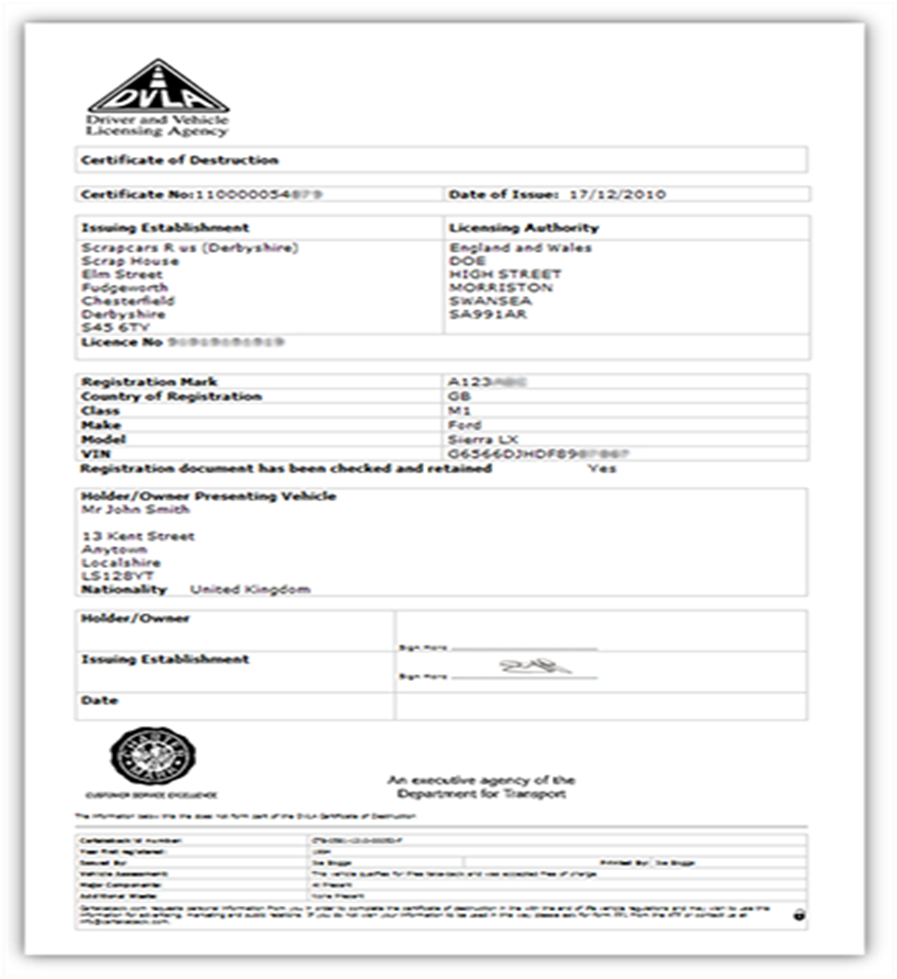
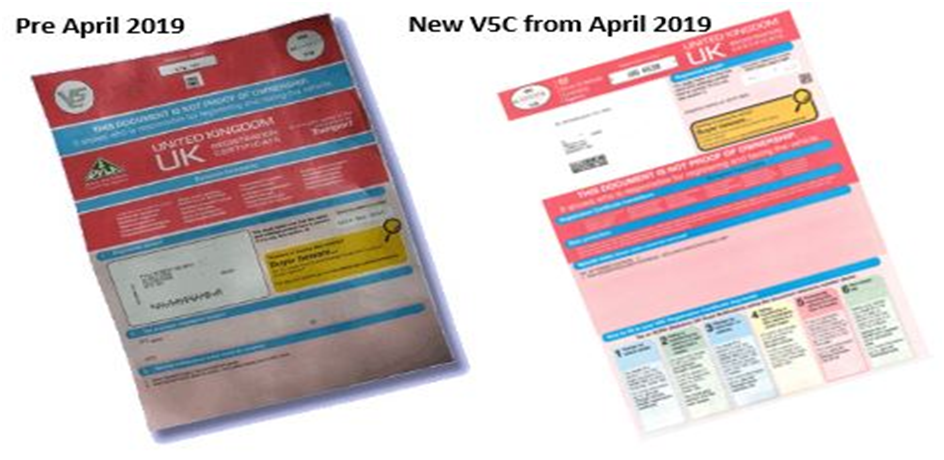
Once processing is complete, documentation is updated accordingly. This may include:
- DVLA notification
- Certificate of Destruction (for scrapped vehicles)
- Transfer records for resale or export
This step is essential, as it ensures the original owner is no longer legally responsible for the vehicle.
Why Transparency Matters When Selling a Non-Runner
Selling a non-runner vehicle is not just about priceit’s about peace of mind. Sellers want to know their car won’t reappear illegally, be dumped, or cause future legal issues.
Working with established platforms like Cars-Wanted gives sellers confidence that their vehicle is handled professionally from collection through final processing.
Conclusion
Selling a non-runner car in the UK does not end at collectionit begins a structured journey involving inspection, decision-making, recycling, and responsible reuse.
In 2026, this behind-the-scenes process is more transparent, regulated, and environmentally focused than ever before. For car owners, choosing the right buyer ensures not only fast payment, but also ethical and legal handling of their vehicle.
Understanding what happens after the sale helps sellers make smarter choices and supports a more sustainable automotive industry across the UK.