
Fire detection technology is a critical part of emergency preparedness in modern cities. In London, where buildings are closely spaced and often occupied by large numbers of people, early warning systems can mean the difference between a controlled evacuation and a serious incident. Fire detection is not only about responding to danger but about reducing risk through planning, awareness, and reliable systems.
As London continues to grow, both residential and commercial buildings face increasing pressure to manage safety effectively. Fire detection technology supports this by providing timely alerts that allow people to act quickly and safely.
Why Fire Detection Matters in a City Like London
London’s built environment presents unique fire safety challenges. Many properties are older, mixed-use, or designed long before modern safety standards were introduced. Fire detection systems help adapt these buildings to current expectations without requiring major structural changes.
High occupancy levels are common across offices, apartment buildings, transport hubs, and public venues. In such spaces, a delayed response to fire can lead to confusion and increased risk. Detection technology helps ensure that occupants are alerted early, giving them more time to evacuate safely.
How Fire Detection Technology Supports Emergency Preparedness
Emergency preparedness is about readiness and coordination. Fire detection technology plays a central role by identifying danger early and triggering clear warnings.
Most systems use smoke or heat sensors to monitor changes in the environment. When a potential fire is detected, alarms activate to alert occupants and, in some cases, notify monitoring services. This early warning allows people to follow emergency procedures calmly rather than reacting in panic.
In London buildings where people may be unfamiliar with layouts, such as offices or rented accommodation, early alerts are especially important. Clear warnings reduce confusion and support orderly evacuation.
Fire Detection in Residential and Commercial Buildings
Fire detection technology serves both residential and commercial buildings, but the risks and priorities can differ.
In residential settings, especially blocks of flats and shared housing, detection systems help protect residents while they sleep or go about daily routines. Early alerts are vital for vulnerable occupants who may need more time to respond.
In commercial buildings, detection systems protect employees, visitors, and operations. Offices and retail spaces often rely heavily on electrical equipment, increasing fire risk. Early detection helps reduce damage, limit disruption, and support business continuity in London’s competitive environment.
Installation, Maintenance, and Reliability
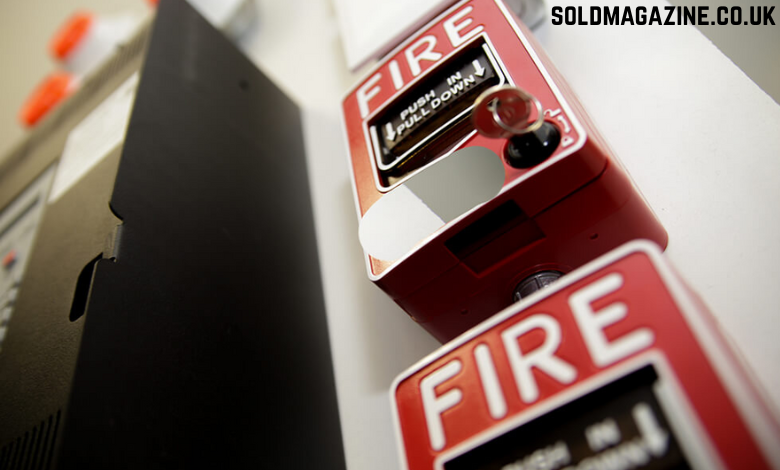
The effectiveness of fire detection systems depends on correct design, installation, and ongoing maintenance. Systems must suit the size, layout, and use of each building.
In London, services such as Fire Alarm Installation London UK help ensure detection systems are appropriate for local building types and usage patterns. Proper installation reduces the risk of false alarms and ensures sensors are positioned where they can detect danger quickly.
Maintenance is equally important. Regular testing and review help confirm that systems will work as expected during an emergency. Faulty or outdated systems can undermine even the best emergency plans.
Legal Responsibilities and Official Guidance
Fire detection technology is closely linked to legal responsibilities in the UK. Those responsible for buildings are expected to take reasonable steps to reduce fire risk and protect occupants.
Official guidance explains how detection and warning systems support fire risk management and emergency planning. Clear information on these responsibilities is available through the UK government’s fire safety guidance, which outlines expectations for detection systems and ongoing compliance.
Understanding this guidance helps building owners and managers in London align their safety measures with legal and practical expectations.
Fire Detection as Part of a Wider Safety Strategy
Fire detection technology works best when it forms part of a broader safety approach. Detection systems support emergency plans, training, and regular reviews.
When occupants understand what alarms mean and how to respond, detection systems become more effective. Regular drills and clear procedures help ensure people act quickly and safely during an incident.
As buildings change over time, detection systems should be reviewed to ensure they remain suitable. Renovations, changes in occupancy, or new equipment can all affect fire risk.
The Long-Term Value of Fire Detection Technology
Fire detection technology provides long‑term benefits for London’s buildings and communities. It protects lives, reduces damage, and supports emergency services by providing early and reliable information. In a city where space is limited and buildings are closely connected, small improvements across many properties create a significant collective benefit. Reliable fire detection strengthens emergency preparedness and supports safer urban living. For further insight into how proactive safety planning and technology contribute to risk reduction and resilience, you may find this related article on Sold Magazine useful: What Safety Features Are Needed in Factories.