Silica’s Versatile Properties For Sustainable Applications
Silica, or silicon dioxide, is a mineral powerhouse. You find it everywhere, from beach sand to quartz crystals. Its real strength lies in its adaptability. Think high heat resistance, impressive hardness, and even electrical properties. These traits make silica a go-to material for a bunch of industries trying to go green.
It’s a key ingredient in making glass, ceramics, and the tiny components in electronics. Plus, it’s vital for solar panels, which are a big deal in clean energy. The way silica behaves means it can be used in chemical processes too, sometimes acting as a catalyst to speed things up. This versatility is why silica is so important for developing technologies that lower carbon emissions.
Abundance And Recyclability: Pillars Of Silica Sustainability
One of the best things about silica is that it’s incredibly abundant. It’s one of the most common minerals in the Earth’s crust. This means we don’t have to worry too much about running out anytime soon, which is a big plus for long-term projects. It’s a natural resource that’s readily available.
Beyond just being plentiful, silica is also recyclable. This is a huge win for sustainability. We can reuse silica-based materials, like glass, over and over. This cuts down on waste and the need to mine new raw materials. It’s a cycle that helps conserve resources and reduce the environmental impact of manufacturing.
Key Industries Benefiting From Sustainable Silica
Several industries are already seeing big benefits from using silica in more sustainable ways. The construction sector, for example, is using silica in things like energy-efficient glass and special concrete additives. These materials help buildings use less energy and last longer, reducing their overall carbon footprint.
Then there’s the clean energy sector. Solar panels, a cornerstone of renewable energy, rely heavily on silica. As we push for more solar power, the demand for sustainably sourced silica will only grow. It’s also showing up in environmental cleanup efforts, helping to filter pollutants from water and air. This shows just how wide-ranging the positive impacts of silica can be.
Advancing Silicon Production Through Sustainable Metallurgy
Aluminothermic Reduction: A Lower Carbon Footprint Alternative
Traditional silicon production relies heavily on carbothermic reduction, a process that uses a lot of carbon and releases significant CO2. But there’s a promising alternative: aluminothermic reduction. This method swaps out carbon for aluminum as the key ingredient. The result? A substantial drop in direct CO2 emissions, making it a much greener way to get silicon.
This shift is vital for industries aiming to cut their carbon footprint. By using aluminum, we can significantly reduce the environmental impact associated with silicon manufacturing. It’s a smart move for sustainable metallurgy, especially when we consider the growing demand for silicon in low-carbon technologies. The potential for reducing global warming impacts is quite high.
While aluminothermic reduction offers clear environmental benefits, it’s important to look at the whole picture. The process still requires careful management of resources and byproducts. However, the reduction in CO2 emissions makes it a compelling option for a more sustainable future in silicon production. It’s a key step in advancing how we make this essential material.
Industrial Symbiosis For Enhanced Resource Efficiency
Industrial symbiosis is all about making waste from one process a resource for another. In silicon production, this means finding smart ways to use byproducts and waste streams. For example, aluminum dross, a waste product from aluminum refining, can be used as a reductant in the aluminothermic process. This not only reduces waste but also cuts down on the need for virgin materials.
This approach to resource efficiency is a game-changer. It creates a circular economy where materials are reused and recycled as much as possible. Think about reprocessing slag or using surplus aluminum scrap – these are all ways to boost efficiency and lower the environmental burden. It’s about smart connections between industries.
The integration of industrial symbiosis principles into silicon production is not just about waste reduction; it’s about creating a more resilient and cost-effective supply chain. It shows how different industrial sectors can work together for mutual environmental and economic benefit.
Life Cycle Assessment For Optimizing Production Processes
To truly understand the environmental impact of silicon production, we need to look at the entire life cycle. This is where Life Cycle Assessment (LCA) comes in. LCA helps us identify the environmental ‘hotspots’ from raw material extraction all the way to the final product and its disposal.
When we apply LCA to processes like aluminothermic reduction, we can pinpoint areas for improvement. This might involve optimizing energy use, managing byproducts more effectively, or finding better sources for raw materials. It’s a systematic way to make production processes greener and more efficient.
- Data Collection: Gathering accurate data on energy and material inputs.
- Impact Analysis: Evaluating environmental effects like greenhouse gas emissions and resource depletion.
- Improvement Identification: Pinpointing stages where environmental performance can be boosted.
Using LCA early in the development of new production technologies, like sustainable metallurgy for silicon, is incredibly useful. It guides decisions and helps steer the industry toward more environmentally sound practices, making sure we’re on the right track for a low-carbon future.
Silica’s Contribution To Greener Construction Practices
Energy-Efficient Glass Manufacturing
Glass, a ubiquitous material in construction, relies heavily on silica. Modern manufacturing processes are focusing on reducing the energy needed to produce glass. This involves optimizing furnace temperatures and exploring new additives that lower the melting point of silica sand. By making glass production more energy-efficient, we significantly cut down the carbon footprint associated with this essential building material. This focus on silica processing directly supports greener building standards.
Sustainable Concrete Additives For Durable Structures
Silica, particularly in the form of silica fume, is a powerful additive for concrete. It fills microscopic voids, making concrete denser, stronger, and more resistant to chemical attack and wear. This increased durability means structures last longer, reducing the need for frequent repairs or replacements. Using silica additives can also allow for a reduction in the amount of cement needed, which is a major source of CO2 emissions in concrete production. The use of silica in concrete is a smart move for longevity.
Reducing Environmental Impact In Building Materials
Beyond glass and concrete, silica finds its way into many other building products. Its natural abundance and inert nature make it a good candidate for sustainable material development. Innovations are exploring how to process and utilize silica in ways that minimize waste and energy consumption. The goal is to create building materials that are not only functional and durable but also have a lower overall environmental impact from extraction to end-of-life. This includes looking at recycled silica sources.
The construction industry is a major consumer of resources. Finding ways to use abundant materials like silica more efficiently and sustainably is key to reducing its environmental footprint.
| Application | Benefit | |
| Glass Manufacturing | Lower energy consumption | |
| Concrete Additives | Increased durability, reduced cement use | |
| Insulation Materials | Improved thermal performance |
Environmental Remediation Applications Of Silica
Adsorbent Properties For Pollutant Capture
Silica’s natural ability to attract and hold other substances makes it a real workhorse in cleaning up messes. Think of it like a super-fine sponge, but for pollutants. This property is key to its use in environmental remediation. Whether it’s in the air or in our water, silica can grab onto nasty stuff and keep it from spreading.
Its porous structure is what gives silica its incredible surface area, allowing it to trap a wide range of contaminants. This isn’t just theoretical; it’s a practical solution being used today. The effectiveness of silica in capturing pollutants is a big deal for keeping our planet healthier.
The simple structure of silica belies its complex and powerful interactions with various contaminants, making it a go-to material for environmental cleanup efforts.
Silica Gel And Activated Carbon In Water Treatment
When we talk about cleaning water, silica shows up in a couple of important forms. Silica gel, often seen in those little packets that keep new shoes dry, is fantastic at soaking up moisture. In water treatment, this same principle applies to removing dissolved impurities. Activated carbon, which is often made with silica-rich materials, is another star player. It’s like a super-activated version of charcoal, with even more surface area for grabbing onto chemicals and other unwanted bits in water.
These materials work by adsorption, meaning the pollutants stick to the surface of the silica-based material. This process is vital for making sure our drinking water is safe and that industrial wastewater doesn’t harm rivers and lakes. The widespread use of silica in these applications highlights its importance in maintaining water quality.
| Treatment Type | Primary Silica Material | Key Function | |
| Water Purification | Silica Gel | Moisture and impurity absorption | |
| Wastewater Treatment | Activated Carbon (Silica-based) | Chemical and organic pollutant removal |
Air Filtration And Indoor Air Quality Improvement
Beyond water, silica plays a role in making the air we breathe cleaner. You’ll find silica-based materials in air filters, especially those designed to tackle specific problems. For instance, silica gel can be used to control humidity in enclosed spaces, which helps prevent mold and mildew growth. Mold spores are a common indoor air pollutant, so controlling moisture is a direct way to improve air quality.
Furthermore, some advanced air filtration systems incorporate silica compounds to capture volatile organic compounds (VOCs) and other gaseous pollutants. These compounds can come from paints, cleaning supplies, and furniture, and they can cause health issues. By using silica’s adsorbent capabilities, these filters effectively remove these harmful substances, contributing to healthier indoor environments. The development of better air filtration systems relies heavily on the properties of silica.
The Future Of Sustainable Silica Resource Development
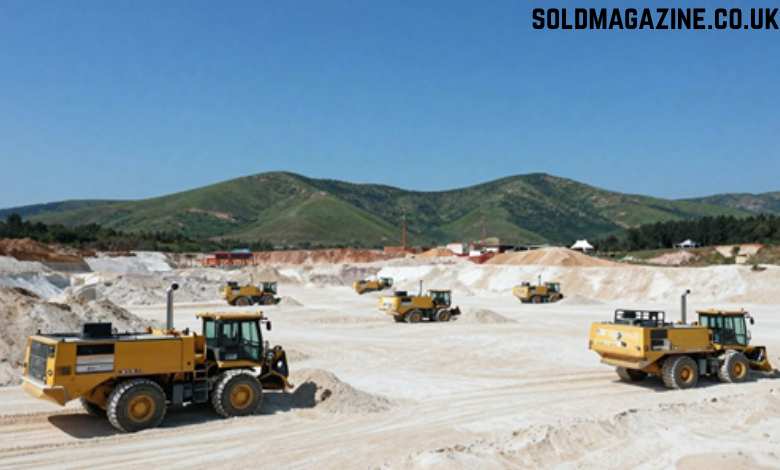
Innovations In Silica Extraction And Processing
New methods are changing how we get and use silica. Think about smarter ways to pull silica from the ground, using less energy and water. This means less disruption to the land and cleaner operations overall. Companies are looking at ways to process silica more efficiently, turning raw materials into high-purity products needed for advanced tech. It’s all about making the whole process greener.
Expanding Applications In Clean Energy Technologies
Silica is a big deal for clean energy. It’s key in making solar panels, those shiny things that soak up the sun. But it’s not just solar. We’re seeing silica used in batteries and other energy storage systems. As we push for more renewable power, the demand for high-quality silica will only grow. This kind of high-quality silica, like the resource developed at https://www.siosilica.com/, is quickly becoming a cornerstone of the clean energy future.
Synergies Between Silica And Other Sustainable Materials
Silica doesn’t work alone. It’s often combined with other eco-friendly materials to create even better products. For example, mixing silica with certain recycled materials can make stronger, lighter building components. This teamwork between different sustainable resources is vital. By understanding these connections, we can design materials that have a smaller environmental footprint from start to finish. It’s a smart way to build a more sustainable world, using what we have more effectively.
Looking Ahead: Silica’s Role in a Greener Future
So, as we wrap things up, it’s pretty clear that silica isn’t just some common sand. It’s a real workhorse for a lot of the stuff we need to build a more sustainable world. Think about solar panels – they need silica. Or even just better, more energy-efficient windows for buildings. Plus, we’re seeing how it can help clean up pollution. The big takeaway here is that we need to be smart about how we get and use silica. Finding ways to produce it with less environmental impact, like the aluminothermic process mentioned, and making sure we recycle it are key. It’s not just about having the material; it’s about how we get it and use it that really matters for supporting those low-carbon industries we’re all aiming for.