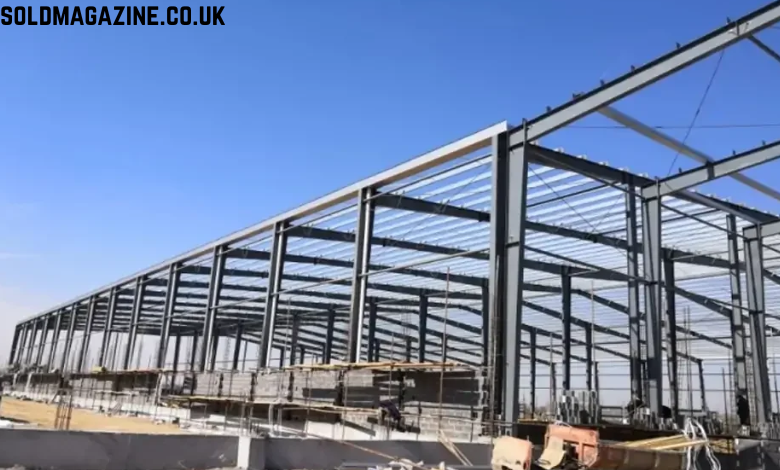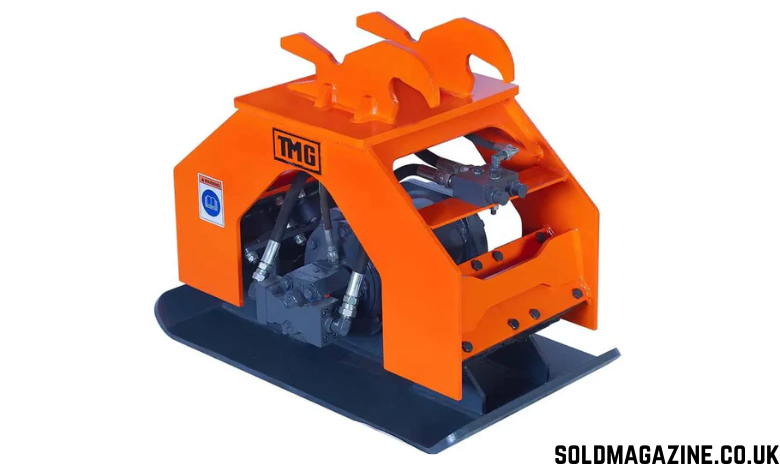
Ground preparation is a fundamental step in construction, logistics infrastructure development, and industrial facility maintenance. In Canada, projects such as warehouse expansion, road repair, and equipment yard construction require stable soil conditions before structures or pavement can be installed. A plate compactor is a key tool used to compress soil, gravel, and other materials to create a firm and stable base layer.
Across Canadian industrial sectors, reliable ground compaction helps prevent structural problems such as settlement, cracking, and surface deformation. Equipment operators and project managers rely on compaction tools to ensure that surfaces can safely support vehicle traffic, storage loads, and infrastructure installations.
Industrial Context and Market Relevance in Canada
Canada has extensive transportation and logistics networks that depend on durable ground surfaces. Warehouses, loading yards, rail facilities, and construction sites require compacted soil layers to support heavy equipment and daily operations. Seasonal climate conditions, including freeze and thaw cycles, make proper soil compaction especially important.
Plate compactors are widely used in projects where soil stability must be achieved efficiently. Hydraulic plate compactors attached to excavators allow operators to prepare ground surfaces in tight work areas and near existing structures.
Typical Operational Applications
· Preparation of warehouse foundations and storage yards
· Compaction of gravel for access roads
· Utility trench backfill compaction
· Ground preparation for pavement and concrete work
· Landscape and infrastructure construction
Operational Efficiency and Productivity
Efficient compaction improves project timelines and reduces the likelihood of ground related failures. When soil is properly compacted, structures and pavement layers maintain their integrity over longer periods of use. For logistics facilities that handle heavy truck traffic, stable surfaces are essential.
Hydraulic plate compactors attached to excavators allow operators to perform compaction tasks using the same machine that handles excavation and material placement. This integration helps reduce equipment movement and increases overall productivity on the job site.
· Faster preparation of construction surfaces
· Reduced need for multiple machines
· Improved consistency in soil density
· Better coordination between excavation and compaction tasks
Technical Structure and Operating Principles
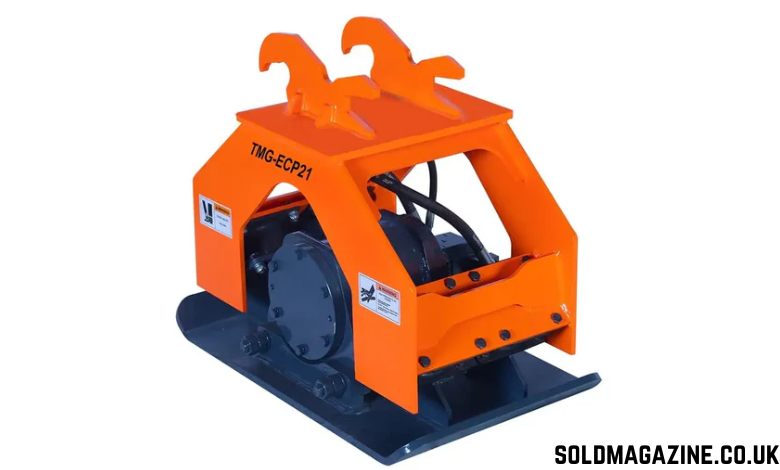
Plate compactors operate by generating vibration through a heavy steel plate that repeatedly impacts the ground surface. Hydraulic models receive power from the excavator hydraulic system, which drives a vibration mechanism inside the compactor.
Key Technical Components
· Steel compaction plate designed for ground contact
· Hydraulic motor that drives the vibration system
· Mounting bracket compatible with excavator attachments
· Quick change coupling for equipment installation
· Protective housing that shields internal components
Manufacturers such as TMG Industrial produce construction attachments designed to integrate with compact excavators and other commonly used machinery in industrial work environments.
Factors That Influence Compaction Performance
Several operational variables affect how effectively a plate compactor can compress soil or aggregate materials.
· Weight and vibration force of the compaction plate
· Speed and technique used by the equipment operator
· Compatibility between excavator hydraulic output and compactor design
Proper preparation of material layers and controlled compaction passes help ensure consistent density and structural stability.
Safety Considerations and Best Practices
Operating heavy compaction equipment requires attention to safety procedures. Vibrating equipment can create hazards if operators do not maintain proper control and awareness.
· Inspect mounting connections before operation
· Ensure hydraulic hoses are securely connected
· Maintain safe distances between workers and the machine
· Avoid operating on unstable slopes
· Follow equipment maintenance guidelines
Supporting Equipment and Accessories
Compaction operations are usually part of a broader site preparation process that involves several types of construction equipment.
· Compact excavators used for excavation and attachment mounting
· Loaders that transport aggregate materials
· Laser leveling equipment for grading accuracy
· Moisture control tools for soil preparation
· Survey equipment used to verify ground elevation
Advantages and Operational Limitations
Advantages
· Efficient compaction in confined areas
· Compatible with compact excavator systems
· Improved soil stability for infrastructure projects
· Reduced need for separate compaction machines
Limitations
· Performance depends on soil conditions
· Requires compatible excavator hydraulic capacity
· May not be suitable for very deep compaction layers
Real World Application Example
A logistics distribution facility in Alberta required the expansion of its outdoor storage yard to support additional truck traffic. The project involved excavation, gravel placement, and compaction of multiple ground layers. A hydraulic plate compactor attached to a compact excavator was used to compact each gravel layer before additional material was applied.
The equipment allowed operators to move quickly between excavation and compaction tasks, reducing project time and ensuring that the final surface could support heavy vehicle loads.
Conclusion and Future Industry Trends
Plate compactors remain essential tools in construction, infrastructure development, and industrial site preparation. Proper ground compaction improves structural durability, protects infrastructure investments, and supports safe operation of heavy equipment.
Future developments in compaction technology may include improved vibration control systems, stronger attachment designs, and enhanced compatibility with modern compact machinery. As infrastructure and logistics facilities continue to expand, reliable ground preparation equipment will remain a critical part of construction and maintenance operations.