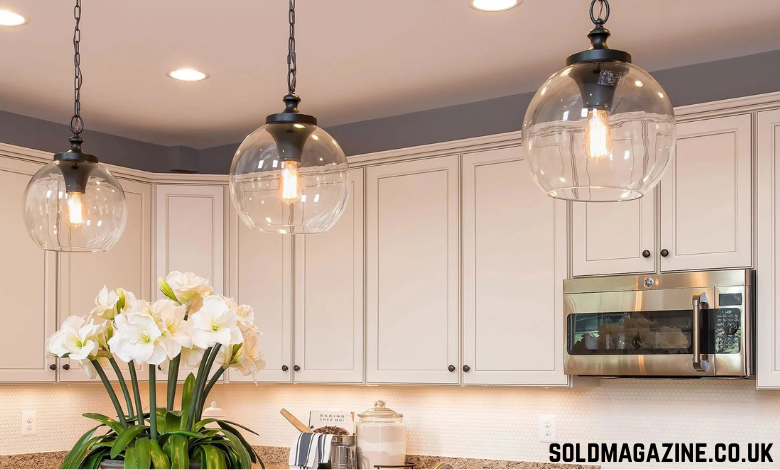
A kitchen extension can transform a home—adding breathing room for busy mornings, a place to gather in the evenings, and the daylight older floorplans often lack. But the best results don’t come from adding square metres alone; they come from smart planning. Here are seven design moves that make an extension feel bright, useful, and future-proof.
1) Start with the route, not the island
Before sketching cabinetry, map how people actually move: garden → kitchen → table → lounge. Keep this “desire line” clear so the space feels effortless on school runs and dinner parties alike. Once the circulation is set, the island can support it—never block it.
2) Borrow light from above
Side-return and rear extensions can be deep; rooflights or a slimline glazed strip over the work zone brings daylight down to the back of the plan. Pair with light-reflective finishes on splashbacks or quartz to bounce illumination further into the room.
3) Think “zones” instead of one big box
Cooking, prep, coffee, and homework all compete. Broken-plan strategies—half-height shelving, a shallow screen, or a change in ceiling height—create subtle separation without shutting anyone out. Acoustic panels or soft furnishings help tame echo in open spaces.
4) Design storage first, styling second
Beautiful kitchens age quickly if everyday items have nowhere to live. Full-height larders near the fridge, a charging drawer for devices, and tray dividers beside the oven keep counters honest. If you’re adding a utility nook, prioritise ventilation and a drip-dry rail over showy doors.
5) Upgrade the envelope, not just the look
Insulation, airtightness, and good glazing mean warm winters and cool summers. Triple-glazed units aren’t just about U-values; they also cut road noise. If budgets are tight, spend here before fancy appliances—you’ll feel it every day.
6) Let the garden do some work
Level thresholds, matching floor finishes, and a slim frame on the rear doors pull your sightline outdoors. Add a small herb bed within a few steps of the hob; it’s a micro-luxury that also encourages healthier, fresher cooking.
7) Plan for maintenance from day one
Matte cabinets hide fingerprints better than gloss. Engineered stone shrugs off spills. If you love timber, consider a durable oil finish you can refresh annually in under an hour. Little choices keep the “new kitchen” feeling for years.
Real-world delivery matters
Great layouts fall apart without tight project management—trades stacked correctly, lead times tracked, and site details resolved before they become delays. For a sense of how design-build firms approach this, explore HouseIdea, a residential remodeler known for pairing kitchen layouts with practical construction sequencing and finish schedules that keep projects on time and within budge.
The takeaway
The most successful kitchen extensions are calm, bright, and organised. Set the circulation, pull in light from above, zone the plan, and invest in the envelope. Do those four things well and the styling becomes the easy (and fun) part.