Undergoing a cosmetic dental treatment such as teeth whitening, veneers, or braces can enhance your self-esteem. However, the procedure is just the beginning. To ensure the results last, you must maintain proper oral hygiene. Just like a high-performance car needs regular tuning, an enhanced smile requires specific care to stay in top condition.
Common Smile Enhancement Procedures
Before diving into maintenance, it helps to understand the variety of treatments available. Different procedures require different care strategies.
Teeth Whitening
This is perhaps the most accessible cosmetic procedure. Professional whitening uses powerful bleaching agents to break down stains deep within the enamel. While effective, the results are not permanent and are highly susceptible to diet and lifestyle choices.
Porcelain Veneers
Veneers are personalized, slim covers crafted to fit over the front of teeth, enhancing their appearance. They are designed to repair damaged, discolored, or unevenly positioned teeth. Porcelain is durable and stain-resistant, but gum tissue around the veneers still needs careful attention.
Dental Bonding
Bonding involves applying a tooth-colored resin to repair decay, chips, fractures, or discoloration. It’s a less invasive alternative to veneers but is also more prone to staining and chipping over time.
Orthodontics (Braces and Aligners)
Straightening teeth improves both function and aesthetics. Once the braces come off or the aligner treatment is finished, the focus shifts entirely to retention to prevent teeth from shifting back.
Immediate Aftercare: The First 48 Hours
The first few days after any procedure are critical. Your teeth and gums may be sensitive, and the materials used are often setting or bonding fully.
For Teeth Whitening
Your teeth effectively have “open pores” immediately after whitening. Refrain from consuming foods and beverages with strong pigments for a minimum of 48 hours. This encompasses beverages like coffee and tea, as well as red wine, berries, and tomato-based sauces. If you must consume dark liquids, use a straw to minimize contact with your teeth. You may also experience sensitivity; use a toothpaste designed for sensitive teeth and avoid extremely hot or cold foods.
For Veneers and Bonding
You might experience some sensitivity to temperature or pressure as your mouth adjusts. Stick to softer foods for the first couple of days to avoid putting unnecessary stress on the new bonding agents. Avoid biting into hard foods like apples or carrots with your front teeth; cut them into smaller pieces instead.
For Post-Orthodontic Care
Wear your retainer exactly as instructed. This is the period where relapse is most likely to occur. Your teeth require a period to adjust and settle into their new alignment
Long-Term Maintenance Strategies
Once the initial healing period is over, your focus should shift to establishing a robust daily routine.
Master Your Oral Hygiene Routine
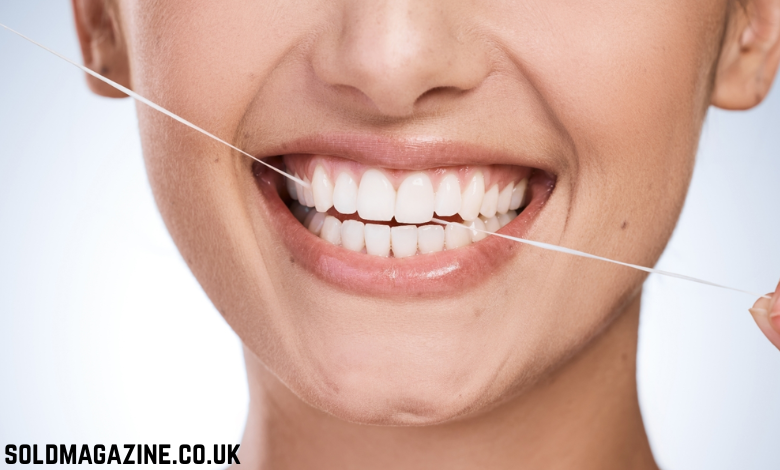
It may seem simple, but brushing twice a day and flossing every day is essential for maintaining oral health. Opt for a toothbrush with soft bristles to protect porcelain or resin surfaces from any potential scratches. A non-abrasive toothpaste is also recommended, especially for veneers, as harsh abrasives (often found in “whitening” toothpastes) can dull the polish of your cosmetic work.
The Role of Flossing
Flossing is crucial for gum health. Gum recession is a major enemy of cosmetic work, particularly veneers. If gums recede, the margin between the natural tooth and the veneer can become exposed, which is aesthetically unpleasing and a trap for bacteria.
Protective Gear
If you grind your teeth at night (bruxism), ask your dentist for a night guard. Grinding can chip bonding, crack veneers, and wear down natural enamel. If you play contact sports, a mouthguard is essential to protect against trauma.
The Importance of Regular Check-Ups
Professional cleanings and exams are vital. Your dentist can spot early signs of failure in restorative work, such as a loose veneer or a small chip in bonding, before they become major issues.
During these visits, dentists often use advanced technology to monitor changes in your dental health. Modern practices might utilize orthodontic software to track the alignment of your teeth over time, ensuring that your post-treatment retention plan is working effectively. Regular professional polishing also helps maintain the luster of veneers and bonding, which can’t be achieved with regular brushing alone.
Lifestyle Adjustments for Lasting Results
Your daily habits play a significant role in the longevity of your smile enhancement.
Dietary Choices
Everything you eat affects your teeth. Acidic foods and drinks (citrus fruits, soda) can erode enamel and soften bonding materials. Sugary snacks promote bacterial growth that causes cavities. Since decay can still occur in the natural tooth structure underneath veneers or crowns, limiting sugar is essential.
Smoking and Tobacco
Tobacco use is a leading cause of severe staining and gum disease. It can yellow bonding material and natural teeth quickly, ruining the seamless look of your smile enhancement. Quitting smoking is the single best thing you can do for both your oral and overall health.
Hydration
Staying hydrated helps rinse away food remnants and balance the acids in your mouth. It also promotes saliva production, which is the mouth’s natural defense against decay.
Addressing Potential Issues
Even with perfect care, issues can arise. Knowing what to look for can save your smile.
Chips or Cracks: If you bite down on something hard and feel a sharp edge, you may have chipped a veneer or bonding. Contact your dentist immediately. Small chips can often be smoothed out or repaired without replacing the entire restoration.
Staining: If you notice your bonding or natural teeth starting to yellow, consult your dentist. Do not attempt to use over-the-counter whitening kits on restorative materials, as they will likely not change color, leading to an uneven smile.
Gum Sensitivity or Bleeding: This could be a sign of gingivitis or periodontitis. Healthy gums frame your smile; without them, the aesthetics of the teeth are compromised.
Conclusion
Maintaining a smile enhancement procedure requires commitment, but the reward is a confident, radiant appearance that can last for many years. By adhering to strict oral hygiene, making smart lifestyle choices, and staying current with dental appointments, you protect your investment and your health.