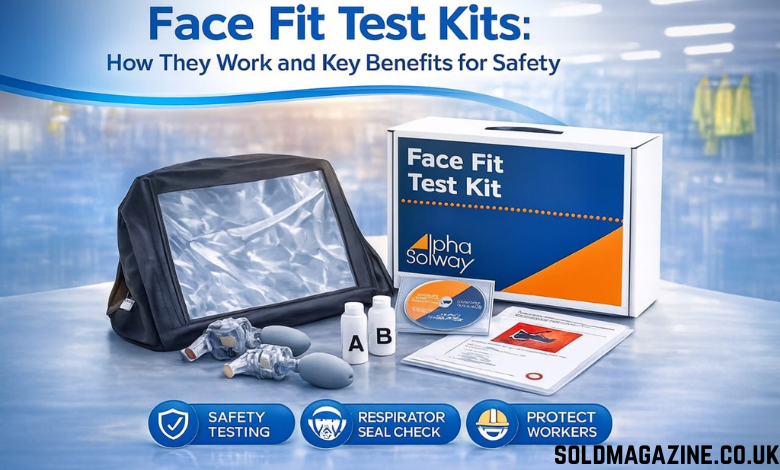
Ensuring your respirator fits properly is crucial for your safety in workplaces where there are respiratory hazards, such as exposure to dangerous chemicals, airborne pollutants, or other respiratory threats. Moreover, the quality of a respirator depends on how well it fits!
Whether you’re a worker, an employer, or a safety official, knowing the significance and standards of face fit test kits can help you in gaining effective protection and prevention against hazardous exposures. Let us go over some specifics of fit testing and face fit kits in this post to assist you in making decisions regarding respiratory safety and compliance in your workplace.
What Does Respiratory Protection Mean?
In situations when there are airborne risks, respiratory protection is crucial. A fit test determines whether a respirator creates a tight seal around your face or not. Inadequate sealing allows dangerous particles to enter, which could lead to respiratory problems.
By looking for leaks at the mask’s borders, a face fit testing kit evaluates mask fit. When working in dangerous areas, properly fitted masks ensure safety by preventing the inhalation of hazardous substances.
Why Are Face Fit Tests Significant?
You might be wondering why this type of testing is so crucial. Depending on the substances involved, a poorly fitting mask might allow toxic or even fatal particles to penetrate. Face fit kits lower the risk of exposure by confirming that each mask has a good seal. To keep you safe at work, employers are in charge of conducting this testing.
How Frequently Is Fit Testing Required?
Every time a worker has to wear a respirator brand or model for the first time, fit testing is necessary. Workers must be retested if it has been two years since their last test, even though it is typically advised that they undergo fit testing every year.
Face fit tests must also take place whenever the user’s physical condition changes in a way that could impair the respirator’s efficacy, such as by weight increase or loss, facial shape changes, or any other alteration that could affect the seal.
Additionally, new fit tests are required if:
- The respirator’s model or kind varies.
- The user experiences discomfort or problems with the respirator’s fit.
How Do Face Fit Test Kits Work?
Millions of workers throughout the world now have access to dust respirators, full face masks, half-face masks, or other types of respiratory protection. But we still need to make sure that this equipment truly protects. Here’s how it operates in easy steps:
Sensitivity analysis
First, your head is covered by a hood. The tester (who is not yet wearing a mask) sprays either a bitter or a sweet mist. This attests to the fact that you can taste it.
- Mask On
You put on a respirator, such as a half-face mask, FFP2, or N95.
Fit test
The hood is put back on. The identical mist is sprayed once more by the tester. You perform a few motions:
- Breathe normally.
- Take a deep breath.
- Swivel your head back and forth.
- Raise and lower your head.
- Read aloud or converse
- Bend forward
- Seal check results
If you are unable to taste anything, the mask suits you well. If you actually taste the mist, the mask doesn’t fit you, and the seal is leaking.
Decoding The Benefits of Face Fit Test Kits
It’s critical to make sure you are safe at work, particularly while working in dangerous areas. The use of respiratory protection equipment, such as tight-fitting masks, is a crucial component of safety. Face fit test kits are crucial because they guarantee that masks fit correctly and offer the required defense against dangerous materials.
Improved Security and Safety
Efficient face fit test kits greatly improve employee safety and protection. Workers can be sure they are sufficiently protected from airborne threats by using fit testing to determine the proper size and kind of mask. This is crucial in industries where workers are regularly exposed to dangerous chemicals, such as manufacturing, mining, construction, and healthcare.
Cost Effectiveness
Businesses can save more by purchasing facial fit testing kits. PPE waste is reduced by selecting the appropriate mask type and size for each employee. Fit testing further eliminates the need for recurring purchases or replacements by ensuring that the masks being used are effective.
Employee Satisfaction & Confidence
Face fit testing shows how committed a business is to the health and safety of its workers. When workers know that their employers value their health, it creates a healthy work atmosphere and raises morale. It also boosts employee happiness and confidence by providing masks that fit properly, which will boost output and lower attrition.
Observance of Regulatory Requirements
Face fit test kits assist you in adhering to workplace safety regulations and requirements. Employers are required to adhere to standards, like the Control of Substances Hazardous to Health (COSHH) rules, to supply appropriate PPE and guarantee its appropriate use. Employers can demonstrate compliance with these requirements and lower their risk of fines and legal repercussions by performing fit tests.
Fit Testing Vs. Seal Check
Both a seal check and a fit test evaluate a respirator’s efficacy; however, they are not the same or should not be used interchangeably.
Fit testing is a formal procedure carried out by a qualified specialist to determine whether a particular respirator fits the user correctly. Rules mandate it and need to be repeated on a frequent basis. Every time a respirator is put on, a brief, user-conducted inspection known as a “seal check” is carried out. Before using the respirator, it helps make sure the seal is still in place.
Summing Up
Masks cannot function well if they don’t fit properly, putting you at risk. Therefore, it is essential to invest only in superior respiratory protection products. Our fit test kits at Protective Masks Direct assist you in creating a comfortable and safe seal, promising that your respirator protects you from dangerous materials. We have the perfect options from trusted brands like the 3M face mask and more, for your requirements of a qualitative or quantitative fit test.
Explore other face fit kits and respiratory kit parts on our website today!