The idea of using BMW second hand spare parts still makes some drivers uneasy. For years, they’ve been associated with uncertainty: unknown history, questionable condition, and fears about safety. But the reality on UK roads today tells a different story.
With repair costs rising and new parts becoming more expensive and harder to source, both motorists and garages are increasingly turning to second-hand parts, and doing so with confidence. The key question isn’t whether second-hand parts are safe, but which parts are safe to reuse and how they’re sourced.
Why Second-Hand Car Parts Are Growing in Popularity
According to recent UK automotive recycling data, more than 2 million vehicles are dismantled each year, supplying millions of reusable spares back into the repair market. At the same time, industry estimates suggest that using recycled parts can reduce repair costs by 40–70% compared to buying new OEM components.
This isn’t just about saving money. It’s about practicality.
- New parts are frequently on back order
- Older vehicles face discontinued components
- Insurance-approved repairs increasingly use recycled parts
- Sustainability targets are influencing repair decisions
As a result, second hand BMW spares and other branded components are no longer niche; they’re mainstream.
Are Second-Hand Parts Actually Safe?
The short answer: yes, when used correctly.
Second-hand car parts fall into two broad categories:
Parts That Are Generally Safe to Buy Second-Hand
These components are designed to last and don’t degrade simply because they’ve been used:
- Engines and gearboxes
- ECUs and electronic modules
- Body panels, bumpers, doors, bonnets
- Lights, mirrors, interior trim
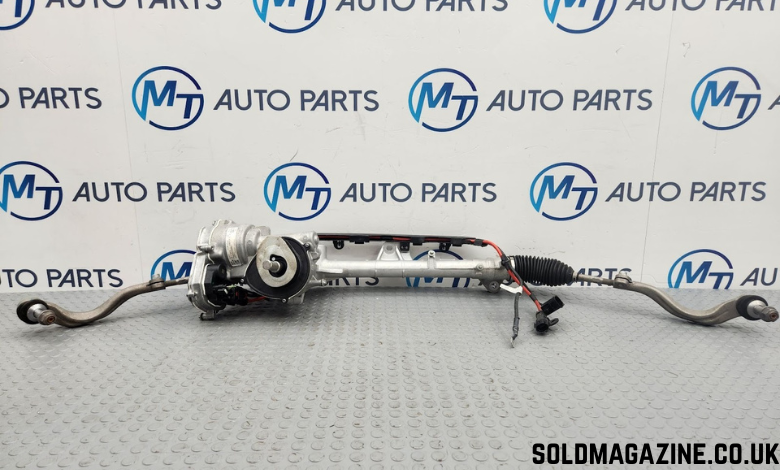
- Suspension arms, hubs, subframes
When sourced from reputable BMW breakers or specialist dismantlers, these parts are usually removed from vehicles written off due to accidents, not mechanical failure. Many have low mileage and plenty of service life remaining.
Parts That Should Always Be Bought New
Some items are safety-critical or wear-based and should never be reused:
- Brake pads
- Fluids, filters, belts
- Tyres (unless professionally inspected)
Knowing the difference is what makes second-hand repairs safe rather than risky.
What the Data Says About Reliability
A UK insurance-industry study into recycled repair parts found that over 90% of claims using approved second-hand components required no follow-up repairs related to the reused part. In other words, when the correct parts were fitted properly, failure rates were comparable to those of new components.
Independent garage networks report similar findings. Many now prefer genuine used parts over cheap aftermarket alternatives because:
- OEM fitment reduces installation issues
- Fewer comebacks mean lower labour costs
- Customers trust original manufacturer parts
In practice, genuine used BMW parts often outperform a brand-new non-OEM equivalent.
Fitment and Traceability Matter More Than Age
The biggest risk with second-hand car parts isn’t wear — it’s incorrect fitment.
Modern vehicles, especially BMWs, have:
- Multiple variants within the same model year
- Software-dependent modules
- Market-specific specifications
This is why professional breakers and specialist suppliers rely on VIN checks, part numbers, and donor vehicle records. A properly matched used part is safer than a new but incorrect one.
If a seller can’t confirm compatibility, that’s a warning sign, regardless of how cheap the part is.
The Role of BMW Breakers and Specialist Suppliers
The safety of BMW second-hand parts depends heavily on who supplies them.
Specialist BMW breakers focus on:
- Brand-specific dismantling
- Identifying reusable components correctly
- Clear grading of the condition
- Honest disclosure of testing and mileage
Some UK specialists, such as MT Auto Parts, have built their reputation around accuracy rather than volume — offering VIN matching, clear listings, and thousands of verified customer reviews. That kind of transparency is what makes second-hand parts a safe option rather than a gamble.
Sustainability Is Changing the Conversation
There’s also an environmental dimension. The UK government estimates that vehicle recycling saves over 1.5 million tonnes of CO₂ emissions annually by reducing demand for new manufacturing.
Using second-hand car parts:
- Extends vehicle life
- Reduces landfill waste
- Cuts energy use tied to production
For many drivers, safety and sustainability are no longer opposing ideas; they’re linked.
Conclusion
Second-hand car parts are not inherently unsafe. In fact, when sourced correctly, they’re often the most sensible option for modern car repairs.
The real risks come from:
- Buying safety-critical wear items used
- Ignoring fitment checks
- Choosing sellers with no traceability or support
When drivers work with reputable BMW breakers, understand which parts can be reused, and insist on proper compatibility checks, second-hand parts become a safe, cost-effective, and environmentally responsible choice.
In today’s repair market, the smartest question isn’t “Should I use second-hand parts?”, it’s “Am I sourcing them properly and from a reputable supplier?”