Himalayan salt lamps have become a modern household favorite glowing on bedside tables, office desks, meditation corners, and yoga studios. Their warm orange light creates a calming atmosphere, often associated with wellness, relaxation, and natural living. But a big question remains:
Are salt lamps truly beneficial, or are they simply beautiful pieces of décor?
To answer that, we need to explore how salt lamps are made, what science says about their effects, and why so many people swear by them.
Where Do Himalayan Salt Lamps Come From?
Salt lamps are carved from large Himalayan salt blocks mined primarily from the ancient Khewra region of Pakistan. These minerals formed more than 250 million years ago from evaporated seas, leaving behind dense salt deposits known for their pink-orange tones.
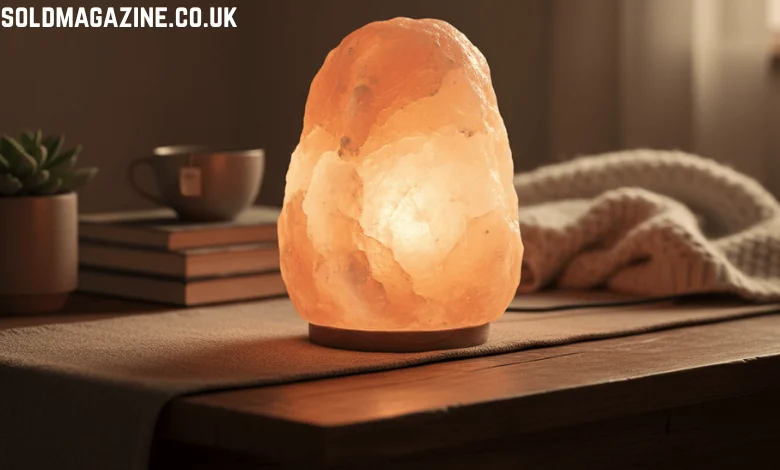
These blocks are shaped into lamp housings, hollowed out, and fitted with a bulb that gently heats the salt from within. When lit, the lamp emits a signature amber glow soft, warm, and soothing.
Many consumers today purchase lamps in bulk from Himalayan salt lamps wholesale suppliers, who source directly from mines and prepare finished pieces for global distribution.
Why Do People Believe Salt Lamps Work?
Salt lamps have been marketed for various wellness uses, including:
- Helping with sleep
- Calming mood
- Reducing stress
- Improving room atmosphere
- Enhancing meditation spaces
However, it is important to understand why these beliefs exist and what the science actually supports.
The Ion Theory: What Supporters Claim
A major belief surrounding salt lamps is that heating the salt releases negative ions into the surrounding air. Supporters suggest that these ions may:
- Improve air freshness
- Reduce pollutants
- Create a more calming environment
This idea comes from ion science negative ions are naturally found near waterfalls, forests, and rain-heavy environments. Some research suggests that heavily ionized environments can support mood enhancement.
But when it comes to salt lamps, there is still limited scientific evidence that they produce enough ions to make a measurable difference indoors. Most experts note that while salt lamps do release minimal moisture and ions when heated, the effect is subtle.
So while the theory is appealing, scientifically measurable benefits remain modest.
Aromatherapy, Mood, and The Power of Ambience
Even without strong scientific claims, salt lamps offer something that is well-supported:
Environmental psychology shows that soft lighting can reduce stress, calm the mind, and support mental relaxation.
Many users report:
- Better focus while working
- A more peaceful feeling at night
- Reduced screen-related eye strain
- A more grounded atmosphere during meditation or yoga
Here, the benefit is not chemical, it is sensory and psychological, and that is a real, meaningful effect for many people.
Do Salt Lamps Purify Air?
Some websites claim salt lamps can “clean the air” by trapping dust, pollutants, or pathogens.
From a scientific perspective:
- Salt can attract moisture, which could hold dust particles.
- However, the volume is extremely small compared to mechanical filters or air purifiers.
So while salt lamps may contribute slightly to a cleaner-feeling atmosphere, they should not be treated as a replacement for scientifically proven purification systems.
In other words:
They can support ambience and comfort but they are not medical devices.
Salt Lamps as Natural Décor
Where salt lamps truly shine is as a natural design element:
- Their handcrafted look makes every piece unique
- The crystal texture adds organic character
- The color palette blends beautifully with boho, minimalist, wellness, and spa interiors
Many homeowners buy them simply because of the aesthetic transformation and that alone makes them worthwhile regardless of scientific debate.
Even large producers like Sobaan Salts Manufacturer, who export Himalayan salt products worldwide, highlight craftsmanship, material integrity, and natural beauty as the core value of salt lamps — not medical promises.
Potential Downsides to Keep in Mind
Salt lamps are generally low-risk, but there are a few things worth noting:
- They can sweat in humid rooms
- They are heavy and should be placed securely
- In homes with pets, especially cats, lamps should not be licked
Like any household item, thoughtful placement helps maximize enjoyment and minimize issues.
So… Are Salt Lamps More Than Decoration?
The answer depends on how you define “benefit.”
If you’re looking for…
- Medical treatment
- Air-cleaning technology
- A scientific cure for conditions
Salt lamps are not proven to deliver those results.
But if you’re looking for…
- A calming environment
- Natural wellness décor
- Atmospheric lighting
- A sensory boost for relaxation, mindfulness, or bedtime
Salt lamps deliver exactly that reliably and beautifully.
They may not change the air dramatically, but they often change how people feel in the space around them. And sometimes, especially in a digital, fast-paced world, that is a benefit worth appreciating.
Final Thoughts
Salt lamps continue to grow in popularity not because they work as advanced medical tools, but because they:
- Add natural beauty
- Promote a peaceful environment
- Create low-light ambience
- Reflect ancient craftsmanship
Whether used in living rooms, therapy offices, meditation areas, or yoga studios, their warm glow is something many people consider comforting and that alone keeps them shining across the world.