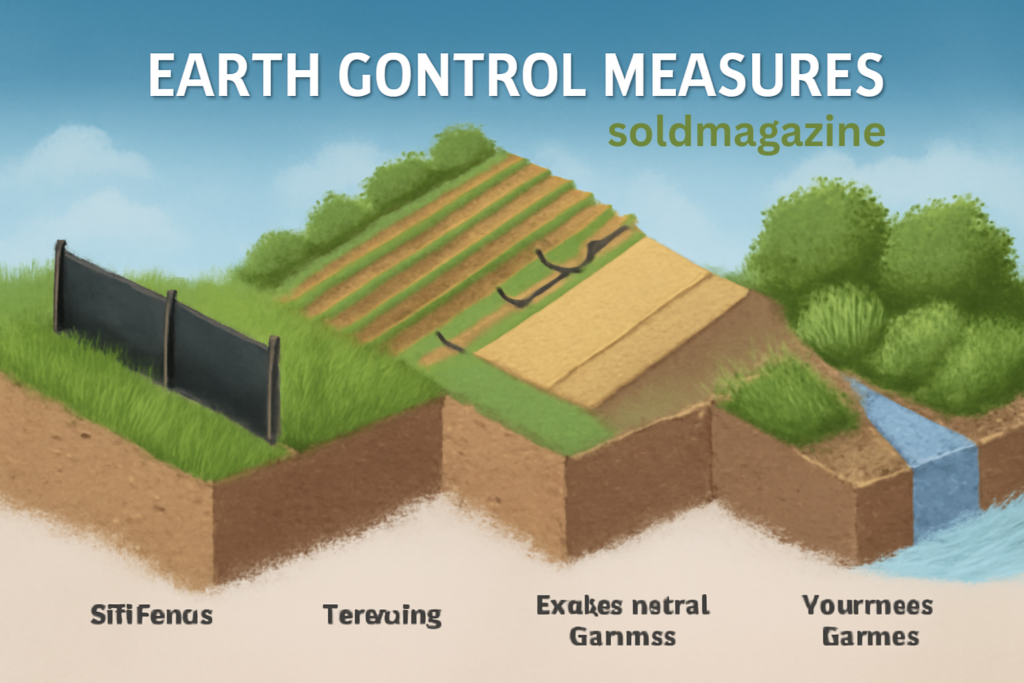
Introduction to Earth Control Measures
Earth Control Measures (ECMs) are practices and techniques designed to prevent soil erosion, manage water runoff, and maintain land stability. These measures are essential for protecting soil from being washed or blown away by wind, water, or other environmental factors. They are critical in areas affected by human activities, such as agriculture, construction, or land development, where the natural landscape has been disturbed.
Soil erosion, caused by rainfall or wind, can degrade land quality, reduce agricultural productivity, and pollute waterways. By implementing ECMs, we can protect the soil, manage water flow, and promote long-term environmental health. In this article, we will explore the different types of Earth Control Measures, their importance, and how they are applied in various settings.
Types of Earth Control Measures
There are various Earth Control Measures that can be applied depending on the specific needs of the land and the level of disturbance. These measures can be categorized into physical, biological, and chemical practices.
1. Physical Earth Control Measures
Physical measures are structures or techniques that manipulate the land to prevent erosion. These measures aim to slow down water runoff and stabilize the soil.
- Silt Fences: Often used at construction sites, silt fences are temporary barriers made from mesh or fabric that prevent sediment from washing into nearby water bodies.
- Erosion Control Blankets: These biodegradable materials, such as straw or coconut fibers, are placed over exposed soil to protect it from rainfall and runoff. These blankets reduce erosion and promote plant growth.
- Terracing: In areas with steep slopes, terracing is used to create flat surfaces that slow down water runoff. This practice is often used in agriculture, particularly on hilly terrain.
- Check Dams: Small dams are constructed across streams to reduce water flow velocity and control runoff. These structures are especially useful in areas with heavy rainfall and steep slopes.
- Vegetative Barriers: This method includes planting plants, shrubs, or trees along slopes or near construction zones to combat soil erosion. The roots of the plants bind the soil together, reducing the risk of erosion.
2. Biological Earth Control Measures
Biological Earth Control Measures rely on vegetation to reduce soil erosion. Their root systems anchor the soil, stopping it from being swept away.
- Cover Cropping: Planting cover crops such as grasses or legumes helps protect the soil when the main crops are not growing. These crops form a protective cover over the soil, preventing erosion during the off-season.
- Grass and Shrub Planting: Planting grasses and shrubs on bare or exposed soil helps stabilize the soil with their root systems. These plants also help absorb water and reduce runoff.
- Agroforestry: This practice involves integrating trees into agricultural systems. Additionally, trees aid in minimizing both wind and water erosion, boost biodiversity, and enrich soil by recycling essential nutrients.
- Riparian Buffer Zones: These are strips of natural vegetation planted along rivers or streams. They act as a protective barrier to reduce soil erosion and protect water quality by filtering runoff before it enters water bodies.
3. Chemical Earth Control Measures
Chemical measures are used to enhance the effectiveness of physical and biological ECMs. These substances help stabilize the soil and reduce erosion.
- Soil Stabilizers: Chemical agents are applied to the soil to bind particles together, preventing them from being washed away by water. Soil stabilizers are commonly used in areas with minimal vegetation or where other ECMs are not practical.
- Polymer Erosion Control Agents: These chemicals are applied to the soil surface to reduce water infiltration and enhance the soil’s resistance to erosion. They are especially useful in construction and mining sites.
- Mulching: Organic or inorganic materials, such as wood chips or straw, are spread over the soil to reduce evaporation, improve water retention, and protect the soil from erosion. Mulching is often used in landscaping and agriculture.
Importance of Earth Control Measures
Implementing Earth Control Measures is essential for several key reasons. These measures protect the environment, enhance land stability, and support sustainable land use.
1. Preventing Soil Erosion
Soil erosion is a major environmental issue, leading to the loss of fertile soil and reduced agricultural productivity. By using ECMs, we can protect the soil from erosion, ensuring it remains viable for farming, construction, and other land uses.
2. Water Conservation
Earth Control Measures help manage water runoff by slowing it down and promoting water infiltration into the soil. This reduces surface runoff and helps retain water in the soil, which is beneficial for plants and reduces the risk of flooding.
3. Stabilizing the Land
In areas prone to landslides, flooding, or other forms of land instability, ECMs are critical for maintaining soil structure. These measures prevent soil loss, which could lead to dangerous land shifts or even catastrophic events like landslides or floods.
4. Enhancing Biodiversity
Some ECMs, like agroforestry or riparian buffer zones, support biodiversity by creating habitats for wildlife. Protecting soil and water quality helps preserve ecosystems and promotes the survival of various species.
5. Economic Benefits
By protecting soil and water resources, Earth Control Measures reduce the costs associated with land degradation, erosion control, and water management. In agriculture, ECMs can increase crop yields and decrease the need for synthetic fertilizers. In construction, ECMs can prevent costly delays and damage caused by erosion and sediment control issues.
Applications of Earth Control Measures
Earth Control Measures are applied in a wide range of settings, including agriculture, construction, land reclamation, and urban development.
1. Agriculture
In agriculture, ECMs are essential for maintaining soil health and preventing erosion. Practices such as cover cropping, terracing, and agroforestry are commonly used to protect farmland from erosion, improve water retention, and increase crop yields.
2. Construction
Construction projects often disturb the natural landscape, leading to increased runoff and sedimentation. To control these issues, construction sites use silt fences, erosion control blankets, and check dams to protect water bodies and prevent soil erosion.
3. Land Reclamation
In areas that have been degraded by mining, deforestation, or other activities, ECMs play a crucial role in restoring the land. Techniques such as re-vegetation and soil stabilization help rehabilitate the land and prevent further erosion.
4. Urban Development
Urban areas face significant challenges related to soil erosion and water management. Stormwater management systems, permeable pavements, and green spaces are used to control runoff, reduce erosion, and improve water quality.
Conclusion
Earth Control Measures are vital for maintaining soil health, preventing erosion, and ensuring land stability. Whether applied in agriculture, construction, or land reclamation, these measures help manage water flow, reduce environmental degradation, and protect natural resources. By implementing effective ECMs, we can promote sustainable land use, enhance biodiversity, and secure a stable environment for future generations.
As human activities continue to impact the environment, the need for Earth Control Measures becomes increasingly important. These techniques not only protect the land but also provide economic, ecological, and social benefits. Through careful planning and the adoption of ECMs, we can ensure the long-term sustainability of our natural resources.