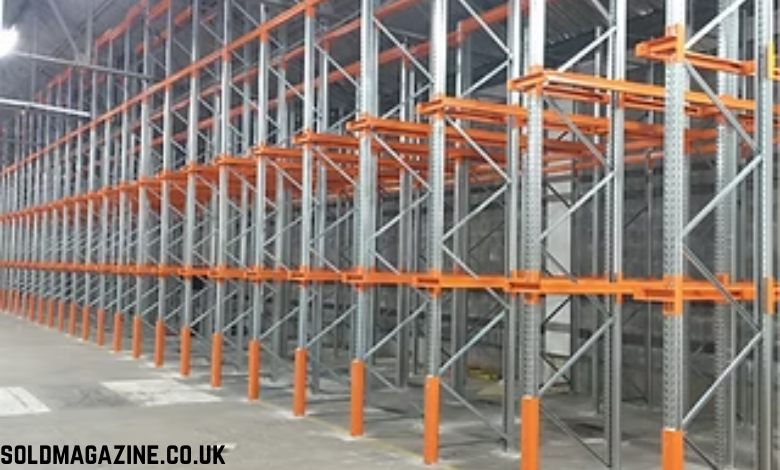
Storage systems must align with product profiles, picking methods, and available floor space. Adjustable pallet racking is often at the centre of this planning process for UK businesses. Its adaptability makes it suitable for both new warehouse developments and refurbishment projects.
Why Adjustable Pallet Racking Is Central to Warehouse Design
When creating or redesigning a storage area, Adjustable Pallet Racking offers flexibility that fixed systems cannot match. Beam levels can be positioned to match specific pallet heights, allowing designers to create a tailored layout.
Key considerations during planning include:
- Ceiling height and usable vertical clearance
- Type of forklift equipment
- Aisle width requirements
- Load weights and pallet dimensions
- Fire safety regulations
Adjustable systems allow planners to refine layouts without committing to rigid configurations.
Matching Racking to Operational Flow
Warehouse efficiency depends on movement. Goods received at loading bays need clear routes to storage. Picking areas require logical positioning to minimise travel time.
Adjustable pallet racking supports these objectives by allowing designers to:
- Allocate lower levels for fast moving stock
- Reserve higher levels for slower moving items
- Create dedicated bulk storage zones
- Separate picking and reserve stock areas
This structured approach improves productivity and reduces congestion.
Supporting Different Pallet Types
Not all pallets are identical. Some industries use euro pallets, others use standard UK pallets, and certain products may be stored on bespoke bases.
Adjustable racking accommodates these variations by allowing beam heights to be set precisely. This ensures safe support across the pallet width and reduces the risk of overhang.
Correct beam positioning also prevents pallets from sitting unevenly, which can create instability during loading and unloading.
Compliance With UK Safety Standards
Warehouse designers must consider legal requirements from the outset. The Health and Safety at Work Act and associated regulations require safe systems of work.
Racking installations should comply with recognised industry standards. Load notices must be clearly displayed. Floor fixings should be installed correctly.
Working with experienced designers and installers ensures that adjustable pallet racking is configured safely and in line with best practice.
Future Proofing the Layout
Business needs change. A warehouse that stores boxed consumer goods today may handle bulkier items next year.
Adjustable systems allow layout revisions without replacing core infrastructure. Beam levels can be repositioned, additional bays added, and configurations refined.
This future proofing reduces long term costs and protects investment.
Training and Operational Discipline
Even the best designed racking system depends on correct use. Staff training plays a critical role in maintaining safety.
Forklift operators should understand:
- Load capacity limits
- Safe stacking practices
- The importance of reporting impact damage
- Proper pallet positioning
Regular supervision reinforces these standards and reduces the risk of structural damage.
Maintenance as Part of Design Strategy
Planning should also account for inspection access. Adequate space around uprights and baseplates allows for easier visual checks.
Routine inspections identify early signs of wear, such as minor dents or missing locking pins. Addressing these issues quickly prevents larger repair projects later.
Cost Considerations in Initial Design
Although adjustable pallet racking may represent a significant upfront investment, its adaptability often results in lower total cost over time.
Instead of replacing entire systems when product ranges change, businesses can reconfigure existing infrastructure. This reduces capital expenditure and avoids major downtime.
Careful planning during installation ensures that future modifications are straightforward.
Conclusion
Adjustable pallet racking plays a central role in effective warehouse design across the UK. Its flexibility supports operational efficiency, compliance, and long term growth.
By aligning storage configuration with workflow requirements and maintaining strong safety standards, businesses can create warehouse environments that remain functional and adaptable for years to come.