Understanding Wiper Blade Deterioration
Environmental Factors Affecting Wipers
Your wiper blades face a constant battle against the elements. Sunlight, specifically its UV rays, can break down the rubber over time, making it brittle and less effective. Extreme temperatures, both hot and cold, also play a role. Heat can dry out and crack the rubber, while freezing temperatures can make it stiff and prone to damage. Airborne debris like sand, dust, and mud can act like sandpaper, scratching and wearing down the rubber edge. Even moisture, in the form of acid rain or salt spray, can accelerate corrosion and degradation of the wiper components.
These environmental assaults mean that even with regular use, your wiper blades are slowly deteriorating. This gradual wear and tear is a primary reason for their reduced performance. Ignoring these factors can lead to streaking, skipping, and ultimately, poor visibility. Understanding these forces is the first step in proper wiper maintenance.
The constant exposure to these elements is the main culprit behind wiper blade failure. Over time, the rubber loses its flexibility and its ability to create a clean sweep across your windshield. This is why even seemingly new wipers might not perform as expected if they’ve been subjected to harsh conditions.
Common Wiper Problems and Their Causes
Several issues can arise with wiper blades, each with a distinct cause. Streaking, where water is left behind in lines, often happens when the rubber edge hardens or cracks, or when dirt and grime build up on the blade or windshield. Skipping or chattering occurs when the blade doesn’t make consistent contact with the glass, sometimes due to a bent frame or a rubber edge that has lost its shape from lack of use.
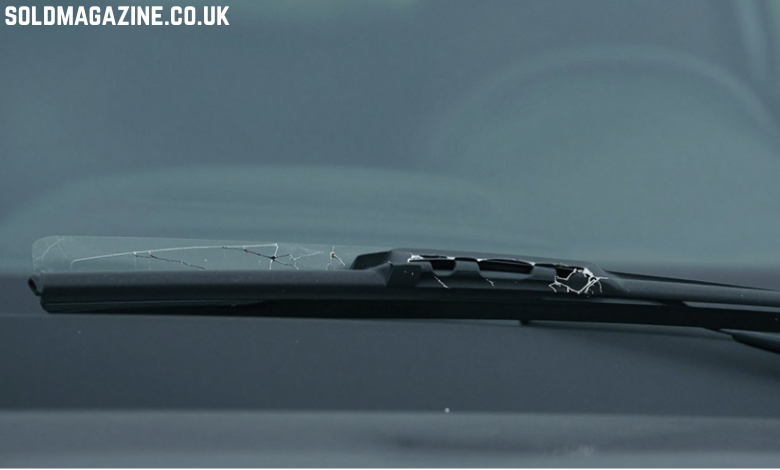
Wearing is a natural consequence of extensive use, where the rubber edge becomes rounded instead of sharp, reducing its wiping efficiency. Splitting can happen when UV rays degrade the rubber, causing it to separate from the frame. Bent frame components or refills can also lead to uneven pressure on the windshield, resulting in poor contact and performance issues.
These problems aren’t just annoying; they directly impact your ability to see the road. Recognizing these common wiper problems is key to diagnosing when maintenance is needed or when replacement is the best course of action.
The Impact of Sunlight and Temperature Extremes
Sunlight is a significant enemy of wiper blades. The ultraviolet (UV) radiation in sunlight degrades the rubber compound, making it brittle and prone to cracking. This process is often referred to as ozone deterioration. Over prolonged exposure, the rubber loses its elasticity, which is vital for conforming to the windshield’s curve and clearing water effectively. This UV damage is a primary reason why wiper blades need regular replacement.
Temperature extremes also take their toll. High temperatures can bake the rubber, accelerating drying and cracking. Conversely, cold temperatures can make the rubber stiff and less pliable. In winter, ice and snow can freeze onto the blades, causing physical damage when the wipers are operated or when ice builds up, preventing proper contact. This constant thermal cycling weakens the material.
These environmental factors mean that even if your wipers aren’t used frequently, they can still deteriorate. The rubber in your wiper blades is constantly being tested by the environment, making proactive care and timely replacement all the more important for maintaining clear visibility.
Essential Cleaning Practices for Wipers
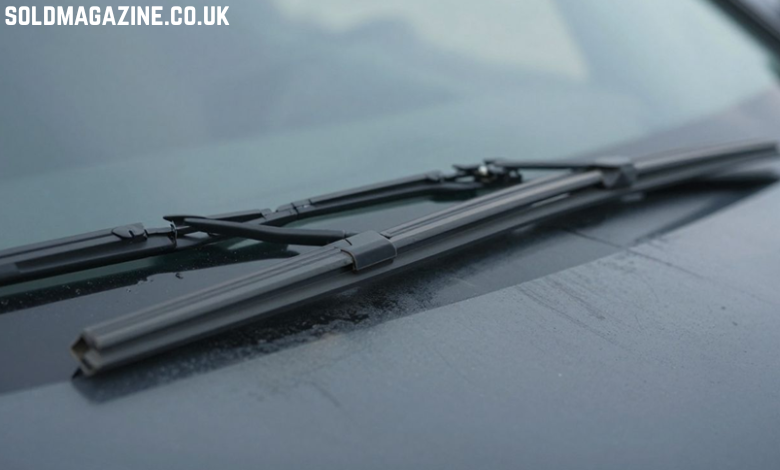
Keeping your windshield wipers clean is a simple yet effective way to make them last longer. Dirt and grime aren’t just unsightly; they can actually wear down the rubber blades faster and cause them to skip or streak across the glass. That’s also why Windy Wipers are built for a clean, streak-free wipe with a vehicle-specific fit, so you’re not battling skipping and streaking when the weather turns. Making a habit of cleaning them regularly means they’ll perform better and you won’t have to replace them as often.
Regularly Cleaning Wiper Blades
Think of your wiper blades like any other part of your car that needs a good scrub now and then. Over time, they pick up all sorts of gunk from the road – think dust, pollen, tree sap, and even bug guts. This stuff can harden on the rubber, making it less flexible and less effective at clearing your windshield. A quick wipe-down with a damp cloth, maybe with a little mild soap and water, can make a big difference. It removes the abrasive particles that can scratch your glass and wear down the blade’s edge. A clean blade makes for a clear view.
Maintaining a Pristine Windshield
It’s not just about the wipers themselves; the windshield plays a big role too. If your windshield is constantly covered in mud, salt spray, or road film, your wipers have to work harder and are exposed to more grit. It’s a good idea to give your windshield a good wash whenever you can, perhaps when you stop for gas. Using a dedicated windshield washer fluid is also key. Avoid using household cleaners like Windex, as some contain petroleum distillates that can actually damage the rubber over time. Keeping the glass clean reduces the stress on your wiper blades.
The Role of Windshield Washer Fluid
Never underestimate the power of having enough windshield washer fluid. Running your wipers on a dry windshield is one of the quickest ways to damage the rubber. The friction without lubrication can cause the rubber to heat up, dry out, and crack prematurely. This ensures you have the fluid needed to lubricate the windshield when you activate your wipers, helping them glide smoothly and preventing unnecessary wear. It’s a small step that significantly contributes to the longevity of your wiper blades.
Protecting Your Wipers in Inclement Weather
Winter Care for Wiper Blades
Winter weather can be tough on wiper blades. Freezing temperatures and ice can really do a number on the rubber. Never use your wipers to scrape ice off the windshield. Doing so can crack or tear the rubber, leading to streaks and poor visibility. Instead, use a proper ice scraper or a soft brush to clear snow and ice before you even turn the wipers on. This simple step helps protect your windshield wipers from damage.
Avoiding Ice and Snow Damage
When snow and ice build up, it’s tempting to just flip on the wipers to clear it. Don’t do it. The weight of the snow can twist or break the wiper arms, and the ice can shred the rubber blades. Keep a good quality ice scraper and a snow brush handy. If you park outside frequently, consider lifting your wipers off the glass when a storm is forecast. This prevents them from freezing to the windshield, which can cause damage when you try to move them. Keeping your wipers clear of ice and snow is key to their longevity.
When Not to Use Your Wipers
Sometimes, the best way to protect your wipers is to simply not use them. If it’s not raining, snowing, or excessively dusty, resist the urge to turn them on. Running wipers on a dry windshield causes unnecessary friction and wear on the rubber. This is especially true if the windshield is dirty. Make sure your windshield washer fluid reservoir is adequately filled. Using the washer fluid helps lubricate the windshield and the wiper blades, reducing wear. If you find yourself driving on dry, dusty roads, a quick spray of washer fluid before using the wipers can make a big difference in protecting your windshield wipers.
Advanced Techniques for Wiper Longevity
Gentle Sanding for Fresher Rubber
Sometimes, the rubber on your wiper blades can get a bit stiff or develop a slight glaze from road grime. A very gentle sanding can sometimes help refresh the rubber. Use a very fine-grit sandpaper, like 600-grit or higher, and lightly sand the edge of the rubber blade. This can remove a thin layer of hardened material, exposing fresher rubber underneath. Be extremely careful not to overdo this; you’re just trying to smooth out minor imperfections, not remove significant amounts of rubber.
This technique is best for blades that are otherwise in good condition but showing minor signs of wear. It’s a quick fix that can sometimes buy you a little more time before needing a full replacement. Remember, the goal is to maintain the flexibility of the rubber for a clean wipe.
Elevating Wipers When Parked
When you park your car, especially for extended periods or in harsh weather, consider lifting your wiper blades off the windshield. This simple action prevents the rubber from being pressed against the glass for too long, which can cause it to take on a set or become flattened. It also helps protect them from ice buildup in winter.
This is particularly useful in areas with extreme temperatures, both hot and cold. In hot weather, it reduces direct sun exposure on the rubber. In freezing conditions, it prevents the blades from sticking to the windshield, which can tear the rubber when you try to move them.
Understanding Wiper Blade Coatings
Many modern wiper blades come with special coatings designed to improve their performance and lifespan. These coatings, often made from silicone or graphite, help the blades glide smoothly across the windshield. They reduce friction, which means the wiper motor doesn’t have to work as hard, and the blades themselves experience less wear.
These coatings can also make the blades more resistant to environmental factors like UV rays and ozone. Some advanced coatings even have water-repellent properties, helping water bead up and roll off the windshield, reducing the amount of work the wipers need to do. Investing in blades with good coatings is a smart way to extend their life and improve visibility.
Knowing When to Replace Your Wipers
Signs of Worn-Out Wiper Blades
It’s easy to forget about your wiper blades until they’re not working right. You know that feeling: it’s pouring rain, and your wipers are just smearing the water around, leaving you squinting. Look for streaks, skips, or squeaks. If the rubber looks cracked, torn, or feels stiff, it’s time for new ones. Don’t wait for a storm to realize your wipers are failing you.
Recommended Replacement Intervals
Most experts suggest replacing your wiper blades every six months to a year. Think of it like changing the oil in your car; it’s regular maintenance that keeps things running smoothly. Some people use Groundhog Day as a reminder, which is a pretty good way to remember. It’s better to swap them out a bit early than to risk poor visibility when you need your wipers the most. Keeping up with this simple replacement schedule helps maintain clear vision.
The Importance of Rear Wiper Maintenance
Don’t forget the back! Your rear wiper is just as important for visibility, especially when backing up or changing lanes. It faces its own set of environmental challenges and can wear out just as quickly as the front ones. Check it for the same signs of wear: streaking, skipping, or noise. A well-maintained rear wiper contributes to overall safety on the road, just like its front counterparts. Keeping your wipers in top shape means checking all of them.
Choosing Quality Wiper Blades
Invest in Durable Materials
When you’re looking for new wiper blades, think about what they’re made of. Not all rubber is the same. Some blades use synthetic rubber that holds up better against heat and UV rays from the sun. Others might have special coatings that help them last longer and work smoother. Paying a bit more for better materials can save you money in the long run.
It’s easy to just grab the cheapest option, but that’s usually not the best idea. Cheaper blades might not clear the windshield as well, and you’ll end up replacing them sooner. Think about how often you drive and what kind of weather you deal with. For example, if you live somewhere with harsh winters, you’ll want blades built for that.
Consider blades made with silicone or those that have special coatings. These tend to perform better and last longer than basic rubber blades. It’s about getting the most value for your money, not just the lowest price tag.
The Benefits of Premium Coatings
Many good wiper blades come with special coatings. These aren’t just for show; they actually help the blades work better and last longer. Coatings like silicone or polytetrafluoroethylene (PTFE) can make the blades glide smoothly across the glass. This means less noise and less wear on the rubber.
These coatings also help the blades repel water. When water beads up and rolls off the windshield, the wipers don’t have to work as hard. This is especially helpful in heavy rain. It keeps your view clear with less effort from the blades themselves. A good coating can make a big difference in how well your wipers perform.
Some blades even have coatings that spread onto the windshield as they wipe. This can make the glass itself more water-repellent. It’s a smart feature that adds to the overall effectiveness of your wiper system. Choosing blades with these premium coatings is a good step toward better visibility.
Value Over Initial Cost
It’s tempting to go for the cheapest wiper blades you can find. After all, they all look pretty similar, right? A cheaper blade might seem like a good deal at first, but it might not last as long or clear the windshield as effectively.
Think about it like this: if you buy a cheap pair of shoes, they might fall apart after a few months. But if you invest in a better pair, they could last for years. The same applies to wiper blades. Spending a little more upfront on quality blades can mean they last twice as long, or even longer.
Consider the overall value. Look for blades made with good materials and maybe even those special coatings we talked about. A quality wiper blade will give you better visibility and save you money in the long run because you won’t have to replace them as often. It’s a smart choice for your safety and your wallet.
Keep Those Wipers Working Right
So, taking care of your windshield wipers isn’t really a big chore. A little bit of cleaning here, a quick check there, and you’re good to go. It’s not just about avoiding annoying squeaks or streaks, though. Good wipers mean you can actually see when the weather turns bad, and that’s important for everyone on the road. Think of it like keeping your tires inflated – it’s just part of keeping your car safe and running smoothly. A little effort now can save you trouble later, and honestly, it just makes driving a lot less stressful.