Video has become more than just content. It is now how people explain ideas, build trust, share stories, and express creativity across digital platforms. From social media and online learning to branding and personal projects, video plays a central role in how messages are delivered. As technology evolves, the way videos are created is changing too. One of the most important shifts is the growing connection between free video editing software and ai generated video.
Not long ago, video creation was limited by cost, skills, and access to professional tools. Editing software was expensive, the learning curve was steep, and producing polished videos took significant time. Today, creators are working differently. AI can now generate video elements automatically, while free editing tools allow creators to refine, personalize, and shape those visuals into something meaningful. This combination is redefining what it means to create video content.
Rather than replacing creativity, technology is removing friction. It is allowing creators to focus less on technical struggles and more on storytelling, clarity, and emotional impact.
The Rise of AI-Generated Video in Everyday Content
AI generated video has become a powerful starting point for modern creators. Instead of beginning with cameras, lighting, and raw footage, creators can start with an idea, a script, or even a simple concept. AI helps turn those ideas into visual sequences quickly, making video creation more accessible than ever before.
This approach is especially valuable for creators who work alone or on limited budgets. Educators, small business owners, marketers, and independent creators can now visualize ideas without needing production teams. However, while AI can generate visuals efficiently, it does not automatically produce a finished story. Raw AI output often needs structure, pacing, and refinement to feel natural and engaging.
This is where editing becomes essential. AI may generate scenes, but meaning is created through how those scenes are arranged, trimmed, and presented.
Why Free Video Editing Software Is Essential
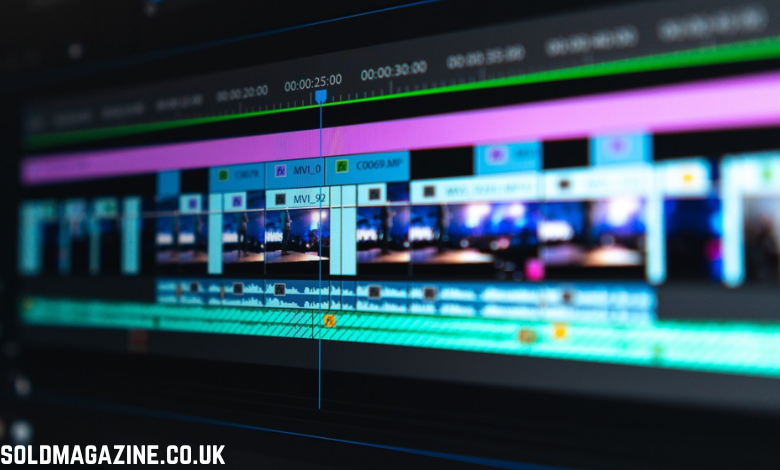
Free video editing software plays a crucial role in turning AI-generated visuals into polished content. These tools provide creators with control over timing, flow, and emphasis. Without editing, even advanced AI visuals can feel disconnected or unfinished.
What makes free editors especially powerful is accessibility. Creators are no longer blocked by high subscription costs or complex systems. Anyone can experiment, learn, and improve without financial pressure. This opens creative doors for students, hobbyists, entrepreneurs, and professionals alike.
Editing software also encourages experimentation. Creators can test different versions of a video, adjust pacing, rearrange scenes, and explore storytelling techniques freely. This freedom leads to more original content and stronger creative confidence.
Editing as the Human Layer in AI Content
AI generated video provides efficiency, but editing provides intention. Technology can suggest visuals, but it cannot fully understand emotion, cultural nuance, or personal style. Editing is where the human voice enters the process.
Using free video editing software, creators decide what matters most in a video. They choose which moments to highlight, where to pause, and how to guide the viewer’s attention. Small decisions, such as trimming a second too much or rearranging a scene, can change how a video feels entirely.
This human layer is what prevents AI-generated content from feeling generic. Editing transforms automated visuals into stories that feel purposeful, relatable, and authentic.
How Different Creators Use This Workflow
The combination of AI generated video and free editing tools is being used across many fields. Educators use it to create clear and engaging lessons without complex production setups. Small businesses rely on it to produce promotional content quickly while maintaining a professional appearance. Content creators use it to stay consistent without burnout, and marketers use it to scale campaigns efficiently.
In every case, editing is the step that aligns visuals with goals. AI may create the base, but editing ensures the final result fits the message, audience, and tone.
This workflow also allows creators to respond faster to trends and ideas. Instead of long production cycles, creators can move from concept to finished video in less time while still maintaining quality.
Creativity Without Technical Barriers
One of the most important changes brought by free video editing software is confidence. When tools are easy to access and understand, creators feel more comfortable experimenting. They are more willing to try new formats, visual styles, and storytelling approaches.
This confidence is essential in working with ai generated video. AI provides possibilities, but creativity determines how those possibilities are used. Editing tools allow creators to shape AI output into something personal rather than mechanical.
Over time, creators develop stronger instincts for pacing, visual balance, and storytelling. Editing becomes less about learning software and more about expressing ideas clearly.
The Future of Video Creation
As AI continues to advance, ai generated video will become more flexible and realistic. At the same time, free video editing software will continue to evolve, offering smarter tools and smoother workflows. The future of video creation will likely focus on collaboration between automation and human creativity.
Rather than replacing creators, technology will support them. AI will handle repetitive tasks, while humans will guide narrative, emotion, and purpose. This balance ensures that video remains expressive and meaningful, not just efficient.
Final Thoughts
The relationship between free video editing software and ai generated video represents a major shift in creative freedom. Together, they allow creators to move faster, experiment more, and tell stories without traditional limitations. AI offers speed and structure, while editing brings clarity, emotion, and individuality.
This new approach to video creation is not about shortcuts. It is about accessibility, expression, and empowerment. With the right tools and a clear vision, anyone can turn ideas into compelling visual stories that connect with audiences in real and lasting ways.