Introduction
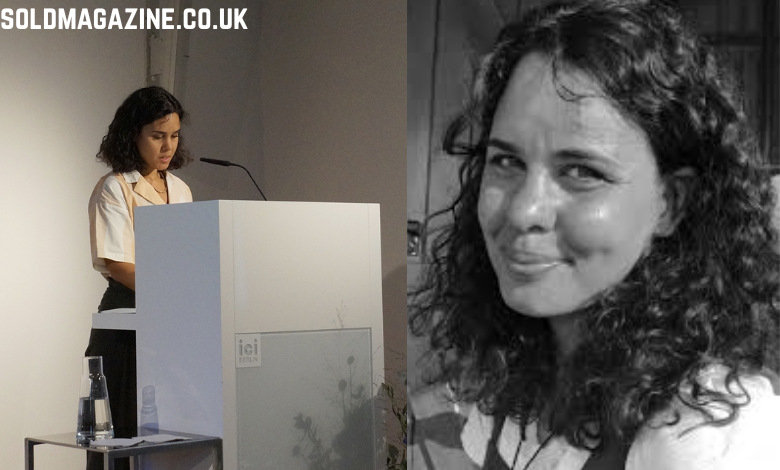
Lara Choksey is a prominent figure in the realms of postcolonial studies, literature, and the fascinating intersection of science and culture. Her work offers unique perspectives on how stories, scientific knowledge, and societal frameworks intertwine. As a lecturer in Colonial and Postcolonial Literatures at University College London (UCL), Choksey has established herself as a thought leader in her field. Her research not only contributes to academic discourse but also addresses pressing issues such as race, power, climate, and public health. Through her interdisciplinary approach, Choksey is helping redefine the way we understand the connection between narratives, genes, and social realities.
Early Career: From Journalism to Academia
Before stepping into academia, Lara Choksey worked as a journalist for The Statesman, a respected newspaper in Kolkata, India. During her time as a journalist, she covered crucial topics related to development, health, and climate change—issues that continue to shape her scholarly work today. Her exposure to real-world challenges through journalism provided her with a practical understanding of the complexities of life in a rapidly changing world. She developed a keen ability to critically analyze and communicate complex issues, which later became foundational skills in her academic career.
Her time in journalism also helped her develop a unique voice in academia. Many scholars make a direct transition from education to research, but Choksey’s career in the media grounded her in real-world issues. This real-world perspective informs her work, as she connects abstract theories with urgent, tangible challenges. Whether discussing the implications of genomics or the impact of colonialism, her writing is always rooted in the practical, lived experiences of people affected by social inequality, environmental crisis, and health disparities.
Academic Contributions at University College London
Today, Lara Choksey is a lecturer at University College London, one of the leading academic institutions globally. At UCL, she teaches Colonial and Postcolonial Literatures, where her research has gained widespread recognition. Her academic focus lies in examining the enduring legacies of colonialism, the politics of knowledge, and how literature interacts with and reshapes our understanding of science and society.
Choksey is also associated with the Sarah Parker Remond Centre for the Study of Racism and Racialisation at UCL, where she contributes to broader conversations about race and power. Her work highlights the intersections between race, history, and culture, particularly in how scientific knowledge and cultural narratives are inextricably linked.
Genomics: Exploring the Intersection of Science and Culture
One of the defining aspects of Lara Choksey’s research is her exploration of genomics and its cultural implications. Genomics, often regarded as a precise and objective science, is typically seen as detached from the societal issues it touches. However, Choksey argues that genomic knowledge is deeply embedded in cultural narratives. These narratives influence how societies understand race, inheritance, health, and even the concept of humanity itself.
Choksey’s work challenges the traditional boundaries between science and the humanities. By examining how literature and media shape public understanding of genomics, she underscores the importance of cultural context in interpreting scientific developments. Her scholarly work focuses on how literature creates frameworks for understanding science, making complex ideas more accessible and relevant to society.
Her book, Narrative in the Age of the Genome, exemplifies this approach. In the book, Choksey explores how literature influences public understanding of genomic science and its ethical implications. By situating scientific developments within broader cultural and historical contexts, she offers a more comprehensive understanding of genomics that goes beyond data and technology, incorporating the stories that define how we understand genes, race, and identity.
Addressing the Anthropocene: Literature’s Role in Climate Change
In addition to her work on genomics, Lara Choksey has also engaged with urgent global issues like climate change. In 2025, she co-authored a scholarly article that explored the concept of the Anthropocene—the proposed geological epoch defined by human impact on the environment. The article addresses the intersection of preservation, ecology, and politics, drawing connections between environmental crises and the cultural narratives that shape them.
Choksey’s work on the Anthropocene highlights the importance of literature in discussing environmental issues. She argues that narratives are central to how societies understand ecological challenges. The role of storytelling in framing our perceptions of the climate crisis is often underestimated, but Choksey’s work shows that literature plays a crucial role in shaping public engagement with these issues.
In her research, she examines how narratives about the environment—found in both fiction and scientific discourse—affect the way we think about climate change, responsibility, and the future of the planet. This interdisciplinary approach, blending literature, science, and politics, provides fresh insights into how we can address the global environmental crisis.
The Future of Lara Choksey’s Work
Looking to the future, Lara Choksey’s work is likely to continue expanding into new areas, particularly as technological fields like artificial intelligence, biotechnology, and ecological science continue to evolve. Her ability to bridge the gap between literature and science ensures that she will remain at the forefront of intellectual debates.
As AI, biotechnology, and climate science continue to shape the future, the narratives we create around these technologies will play a significant role in how societies interpret and adapt to these changes. Choksey’s unique interdisciplinary approach—merging literature, science, and postcolonial theory—positions her to make important contributions to these ongoing discussions. Her scholarship will continue to offer valuable perspectives on how narratives can guide our understanding of new technologies and the social and environmental changes they bring.
Conclusion
Lara Choksey has established herself as a leading scholar at the intersection of literature, science, and postcolonial studies. Her work on the cultural implications of genomics, race, and environmental issues has made significant contributions to academic discourse. Whether discussing the ethical dimensions of genomic science or exploring the role of literature in addressing climate change, Choksey’s interdisciplinary approach has set her apart as a unique and influential thinker.
Her ability to combine literary analysis with scientific inquiry allows her to offer fresh perspectives on some of the most pressing issues of our time. As the world continues to grapple with challenges related to race, power, health, and the environment, Lara Choksey’s scholarship will undoubtedly remain a crucial voice in shaping the intellectual landscape of the future. Her commitment to bridging the gap between science and the humanities ensures that her work will continue to inspire and guide future generations of scholars, activists, and policymakers.
FAQS
Who is Lara Choksey?
Lara Choksey is a scholar specializing in colonial and postcolonial literatures, focusing on science, race, and cultural narratives.
What is Lara Choksey’s academic background?
Choksey is a lecturer at University College London, specializing in postcolonial studies and the intersection of literature and science.
What areas does Lara Choksey’s research focus on?
Her research explores genomics, the legacies of colonialism, and how literature shapes our understanding of science and culture.
Has Lara Choksey written any notable books?
Yes, her book Narrative in the Age of the Genome examines the connection between genomics and cultural narratives.
What impact has Lara Choksey had on interdisciplinary studies?
Choksey has contributed to bridging literature, science, and postcolonial studies, offering new perspectives on complex societal issues.