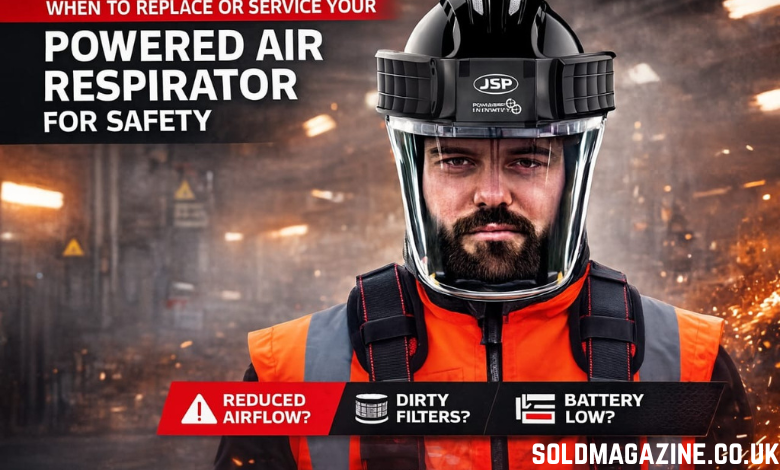
The PARPs offer advanced filtration for employees working in hazardous environments. These modern devices, called powered respirator masks, make use of powerful blowers that deliver filtered air to the person wearing the mask. As compared to other mask types, such as disposable masks, the PARPs are more comfortable to wear for long durations. However, with continuous usage, just like other masks, the PARPs can also show signs of degraded performance. With time, its filters might get clogged, and the batteries may weaken.
But most of us who are unaware of these signs continue to use them, creating a health and safety risk for self and others. So, when is the right time to replace or service the PARPs for better protection? If you are not aware, don’t worry, let’s find out.
When Should You Replace or Service Your Powered Air Respirator?
Although there is no specified time that shows service or replacement of your powered air respirator. But, if you observe any of the following cases with your PARP, understand that the time has arrived:
- Any clear, visible damage sign: If you observe any damage signs to your respirator mask, such as a tear or a hole, or if its straps are not sufficient to provide a slug, then you must know that it’s time to replace the device.
- Moisture deposits: If your respirator becomes moist or wet while it is being used, then this sign indicates that the filtration is not working properly. You should either go for its servicing or replace it.
- You feel difficult to breath while wearing it: While wearing it, if you observe any difficulty in breathing or find it unpleasant to breathe through the air-fed respiratory tract, then understand that the dust particles or contaminants have clogged the mask, you should go to the provider and ask them to clean the clogged fitters or if it’s not possible, then replace the PARP.
- Continuous long-term usage: Every reusable respirator is designed with an end date, or you can say they have an expiration. If you overuse it above the specified time, your chances of getting contaminated in hazardous environments will increase gradually.
- Increased exposure to Contamination: If you know that the respirator has been exposed to a high concentration of contaminants or hazardous materials, then without wasting any time, replace it.
Guide to Proper Use of PARPs
Proper usage of a powered respirator ensures you have the best protection throughout your working hours. Fasten the fitting properly, switch the blower unit on, and monitor the remaining battery life throughout the shift. Here’s how you can ensure that you are using the device properly.
- Pre-Use Check: Before putting on the device, check that all parts present are clean, undamaged, and functioning properly. Check for battery charge, filter status, and mask integrity.
- Seal Check: A positive or negative pressure check should be carried out to ensure the seal conditions are effective. For positive pressure, close off the exhalation valve with your palms and exhale the air gently. There should be no leakage outward the seal. For negative pressure, close off the cartridges and inhale. The respirator should collapse slightly upon your face, but with no leakage inside the device.
- Wear the Mask: Don the mask, secure the blower unit on your waist, and connect the breathing tube. Obtain a proper seal according to the manufacturer’s instructions. Turn on the blower unit and ensure the airflow is consistent.
- Check for Proper Functions: Remain vigilant and jot down whether there are any indications of exposure to air contaminants. If the odor of chemicals is detected or if irritation occurs, the work should be stopped and the conditions evaluated.
- Battery Management: Continuously monitor the remaining battery life during your shift. Replace or recharge it to keep the full face respirator operational consistently.
Checklist for proper maintenance and storage of PARP
The proper maintenance and storage of PARP are essential for its extended lifespan. Here’s a checklist that you can follow:
- Routine inspection: Regular inspection should be performed to check for any wear, damage, or degradation of any component of the PARP. The mask seal, conditions of the filter, and the blower unit are some of the items to look out for.
- Storage: Keep the PARP away from chemicals, dust, and extreme temperatures in a clean, dry place.
- Regular Cleaning: Clean respirators after use and disinfect them. First, remove all filters and categories, then clean the device using a mild detergent in warm water with a soft brush. Clean the mask to remove any residue and air-dry in a clean place.
- Keep Filters and Cartridges Away: The purpose of keeping them apart in different bags is to avoid cross-contamination. Do not stack other items on top of the device to prevent face piece shape deformation.
- Don’t Share Your Mask: Never share your PARPs with others. During work or travel, keep the mask in a safe place to protect it from moisture and contamination.
Wrapping Up
A PARP is a proven way to improve your workplace safety and ensure compliance. It helps businesses to protect their workers from harmful airborne contaminants and hazardous particles. However, be aware of the signs that indicate to replace your mask to reap its full benefits. Also, do the proper care to maintain the functionality of the PARPs in high-risk settings.
If you’re looking to upgrade from a traditional mask to premium protective gear, then Respirator Shop has what you need. We carry a full lineup of Powered Air Purifying Respirator models, replacement filters, and other integrated PPE solutions. With advanced features and expert advice, we’ll help you build a safer and more compliant workplace.