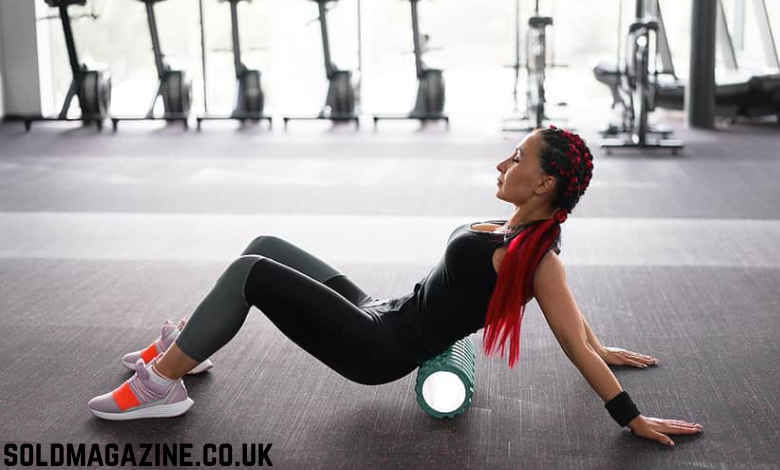
Foam rolling and self-myofascial release (SMR) are no longer just recovery tools—they’re a core part of smart training. But one question still trips up a lot of athletes and everyday movers:
Should you roll before your workout, after it, or both?
The answer depends on when you roll, how you roll, and what your body needs at that moment. In this guide, we’ll break down the difference between pre-workout and post-workout rolling, explain how each impacts performance and recovery, and show you how to use your RAD Roller tools for the best results.
What Is Self-Myofascial Release (SMR)?
Self-myofascial release is a technique that applies pressure to muscles and fascia to reduce tension, improve mobility, and enhance circulation. Unlike stretching, SMR targets the connective tissue surrounding your muscles, helping restore movement quality and tissue health.
Traditional foam rollers can be bulky and imprecise. RAD Roller tools are designed for targeted, controlled pressure, allowing you to reach trigger points and tight areas without unnecessary strain.
Pre-Workout Rolling: The Benefits and Timing of Using Your RAD Roller for Optimal Performance
The Goal of Pre-Workout Rolling
Pre-workout rolling isn’t about relaxation—it’s about preparation. The goal is to:
- Improve range of motion
- Increase blood flow
- Activate key muscles
- Reduce stiffness before movement
Think of it as waking your muscles up, not putting them to sleep.
How Pre-Workout Rolling Works
Short, controlled rolling:
- Improves tissue hydration
- Enhances neuromuscular readiness
- Helps joints move more efficiently
When done correctly, rolling before training can help you move better without decreasing strength or power output.
Best Areas to Roll Pre-Workout
Focus on muscles that tend to get tight or underactive:
- Glutes & hips – for running, squatting, cycling
- Quads & hip flexors – especially if you sit a lot
- Calves and ankles – essential for power-based or long-duration activities.
How Long Should Pre-Workout Rolling Last?
- 30–60 seconds per muscle group
- Total time: 5–8 minutes
- Use lighter pressure and faster passes
The Goal of Post-Workout Rolling
After training, the focus shifts from activation to recovery. Post-workout rolling helps:
- Reduce muscle soreness
- Improve circulation
- Speed up recovery
- Calm the nervous system
How Post-Workout Rolling Works
Slow, deliberate rolling:
- Flushes metabolic byproducts
- Encourages muscles to return to resting length
- Improves tissue quality over time
This is where RAD tools really shine, allowing you to apply deep, precise pressure without overdoing it.
Best Areas to Roll Post-Workout
Target muscles that worked hardest:
- Quads, hamstrings, calves
- Glutes & hip rotators
- Upper back, traps, shoulders
- Forearms (especially for lifting or climbing)
How Long Should Post-Workout Rolling Last?
- 60–120 seconds per muscle group
- Total time: 10–15 minutes
- Slower movements and deeper pressure
Which RAD Roller Should You Use—and When?
Different tools serve different purposes:
- RAD Massage Ball Ideal for pinpoint trigger points and deep post-workout release.
- RAD Massage stick Great for long muscle groups like quads, calves, and hamstrings—before or after training.
- RAD Helix
Perfect for upper back rolling with spine-friendly design, especially post-workout.
Using the right tool at the right time makes rolling more effective and more comfortable.
Can You Roll Both Before and After a Workout?
Absolutely—and it’s often the best approach.
Smart combo routine:
- Pre-workout: light rolling + dynamic warm-up
- Post-workout: slow, deeper rolling + breathing
This ensures you’re primed for performance and supporting recovery afterward.
Common Rolling Mistakes to Avoid
- Rolling too aggressively before training
- Spending too long on one painful spot
- Holding your breath while rolling
- Using the wrong tool for the wrong goal
Pain is not progress—control and intention matter.
Sample RAD Roller Routines
5-Minute Pre-Workout Activation
- Glutes – 45 seconds
- Quads – 45 seconds
- Upper back – 60 seconds
- Calves – 30 seconds each
10-Minute Post-Workout Recovery
- Quads & hamstrings – 2 minutes
- Glutes & hips – 2 minutes
- Upper back & shoulders – 3 minutes
- Calves & feet – 3 minutes
Final Thoughts: Timing Your Rolling for Maximum Results
Rolling isn’t just about what you do—it’s about when you do it. Pre-workout rolling helps you move better and train smarter, while post-workout rolling supports faster recovery and long-term performance.
With RAD Roller tools, you can apply the right pressure, in the right place, at the right time—so you’re not just rolling harder, but rolling smarter.