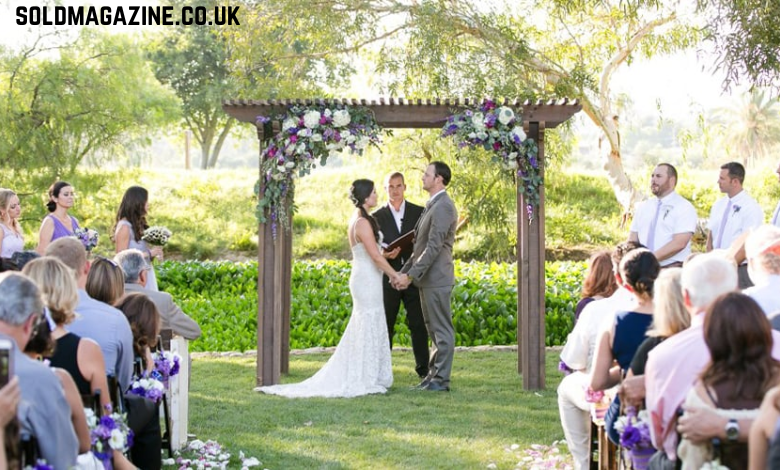
Wedding planning is frequently considered one of the most thrilling and unforgettable journeys in a person’s life. It’s a chance to celebrate your love story and create a day that reflects you as a couple. However, the journey from “yes” to “I do” can quickly become overwhelming. Between choosing a venue, managing a budget, and coordinating with vendors, it’s easy to feel the pressure mount.
Your Month-by-Month Wedding Checklist
A timeline is your best friend when it comes to planning. It keeps you organized and ensures nothing important slips through the cracks. Here’s a typical month-by-month checklist to keep you on track.
12+ Months Out
- Set Your Budget: Establish a comfortable spending limit that aligns with your financial situation. This will guide every decision you make.
- Create Your Guest List: Draft a preliminary list of everyone you’d like to invite.
- Hire a Wedding Planner (Optional): If you want extra support, now is the time to hire a professional.
- Select Your Wedding Party: Choose the special people who will stand with you on your big day.
- Book Your Venue: Reserve your ceremony and reception locations early, as sought-after venues fill up quickly.
- Book Key Vendors: Start researching and booking high-priority vendors like your photographer, caterer, and band or DJ.
8–10 Months Out
- Find Your Wedding Attire: Start exploring options for your perfect wedding dress or suit.
- Book Remaining Vendors: Finalize contracts with your florist, officiant, and transportation.
- Send Save-the-Dates: Give your guests a heads-up, especially if you’re planning a destination wedding.
- Launch Your Wedding Website: Create a central hub for guests to find information.
6–8 Months Out
- Order Wedding Party Attire: Have your bridesmaids and groomsmen order their outfits.
- Plan Your Honeymoon: Start dreaming about and booking your post-wedding getaway.
- Book Rehearsal Dinner Venue: Secure a location for your pre-wedding celebration.
4–6 Months Out
- Attend Cake Tastings: Sample delicious options and choose your wedding cake.
- Select Invitations: Order your wedding invitation suite.
- Book Hair and Makeup Trials: Schedule appointments to perfect your wedding day look.
2–3 Months Out
- Mail Your Invitations: Send them out 8–12 weeks before the big day.
- Purchase Wedding Rings: Finalize your choices for wedding bands.
- Apply for a Marriage License: Check your state’s requirements and timeline.
1 Month Out
- Confirm with Vendors: Check in with all your vendors to finalize details.
- Create a Seating Chart: Arrange guest seating for the reception.
- Write Your Vows: If you’re writing your own, now is the time to put pen to paper.
Mastering Your Wedding Budget
A clear budget is the foundation of stress-free planning. It helps you prioritize what’s most important and avoid overspending.
How to Create Your Budget
Start by having an open conversation with your partner about what you can afford. If family members are contributing, discuss their contribution amounts as well. Once you have a total number, allocate funds to different categories. A typical breakdown might look like this:
- Venue & Catering: 40–50%
- Photography & Videography: 10–15%
- Attire & Beauty: 5–10%
- Entertainment: 5–10%
- Flowers & Decor: 5–10%
- Invitations & Stationery: 2–3%
- Rings: 2-3% (This includes everything from engagement rings to wedding bands for men and women.)
- Contingency Fund: 5-10% (for unexpected costs)
Tips for Tracking Expenses
Use a spreadsheet or a budgeting app to keep a running tally of your spending. Update it regularly and review it with your partner to stay on the same page. Always get vendor quotes in writing and read contracts carefully before signing to understand exactly what’s included.
How to Choose Your Wedding Vendors
Your vendors are the team that will execute your vision. Choosing the right people is crucial for a smooth experience.
Questions to Ask Potential Vendors
Before finalizing any agreement, ensure you’re confident in a vendor’s ability to fulfill their promises. Here are key questions to ask:
- Are you available on my wedding date?
- Do you have examples of previous work or testimonials from past clients?
- What is your pricing structure, and what is included in your packages?
- What is your cancellation or postponement policy?
- Do you have liability insurance?
- What is your communication process like leading up to the wedding?
Trust Your Gut
Beyond qualifications and pricing, it’s important to choose vendors you connect with personally. You’ll be working closely with them, so a good rapport can make the planning process much more enjoyable. Read online reviews, but also trust your instincts after meeting them in person or over a video call.
Coordinating a Flawless Wedding Day
As your wedding day approaches, the focus shifts from planning to execution. A little organization can ensure everything runs smoothly.
Create a Detailed Timeline
Work with your wedding planner or venue coordinator to create a detailed day-of timeline. This document should outline everything from when hair and makeup begin to the final send-off. Share this timeline with your wedding party and key family members so everyone knows where to be and when.
Delegate and Let Go
You’ve spent months planning, but on your wedding day, your only job is to enjoy it. Delegate tasks to your wedding party, family members, or a trusted day-of coordinator. Let them handle vendor questions and any minor issues that may arise.
Remember to take moments to breathe and soak it all in. The day will fly by, so step back with your new spouse and appreciate the celebration you’ve created.
Conclusion
Planning a wedding is a significant undertaking, but it doesn’t have to be a source of stress. By creating a clear timeline, managing your budget wisely, and choosing a team of vendors you trust, you can create a day that is a true reflection of your love. Embrace the process, communicate with your partner, and remember that the ultimate goal is to start your married life together, surrounded by joy and celebration.