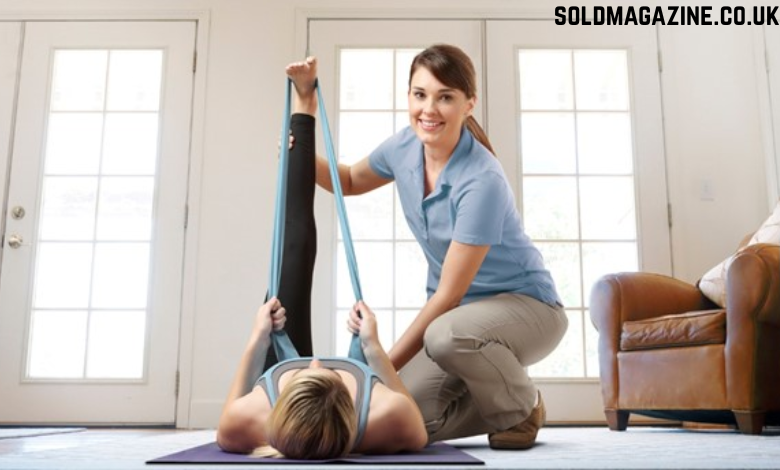
Physiotherapy has become a steady part of weekly care for many people who want to move well, recover faster, and avoid injuries. You may train often or spend long days at a desk and both can place demand on your joints, muscles, and movement patterns.
Regular support helps you understand what your body needs and gives you the confidence to manage strain before it becomes a painful setback. Follow along if you want to understand why this routine matters.
- Early Detection of Movement Problems
Your body can often give you early signals before pain worsens and becomes more noticeable. Tight hips, a stiff lower back, or reduced shoulder rotation can influence how you move during work or training.
A skilled physiotherapist can spot these patterns and guide you on simple changes that protect your joints. If you are looking for this kind of structured help, One Body physiotherapy offers clear steps that guide you from early signs to full recovery and ongoing prevention. This type of direction can give you long-term confidence in your movement.
- Better Recovery From Everyday Strain
Daily life can create pressure on your body even if you stay active. Long commutes, heavy lifting, and high training loads can affect how well your tissues recover. Physiotherapy helps you ease up that tightness and improve blood flow, so you can bounce back quickly with less discomfort.
Many UK clinics have seen a rise in people seeking help for neck pain and lower back issues linked to long office hours. These symptoms improve faster when they’re assessed early, as it prevents them from becoming long-term conditions.
- Stronger and More Stable Muscles and Joints
Strength around your hips, core, and shoulders shapes how well you move. Physiotherapists assess which muscles aren’t supporting you enough and teach you targeted exercises that will improve your stability, gait, strength and range of motion.
This protects you during training and also while doing routine tasks, such as climbing stairs or carrying bags.
Improved strength supports better posture as well, which is a common reason people seek physiotherapy.
- Improved Flexibility and Mobility
Stiff joints make simple tasks feel harder. Physiotherapy combines hands-on care with mobility work for smoother movement. Over time you will feel more comfortable in training and your daily life because your joints can move freely.
Many people also notice improvements in hamstring flexibility, ankle mobility, and thoracic rotation once they follow a structured plan devised by a physiotherapist. This reduces the risk of strain during running, heavy, repetitive lifting and many other strenuous actions.
- Effective Support for Chronic Pain
Chronic pain affects people with busy routines and high physical demands. Physiotherapy helps you understand what triggers these symptoms, and gives you practical steps to manage them. This can include joint mobility, soft tissue work, strength work, and pacing strategies that help you move without fear.
Studies show that people with ongoing back and neck pain often benefit from combined exercise plans and manual therapy. This helps reduce flare-ups and sets the foundation for stable, long-term progress.
- Improved Performance in the Gym and Sport
Like many athletes and fitness-focused individuals, you should use physiotherapy as part of their training routine. You move better when your joints are well-supported and your muscles recover fully. A licensed physiotherapist will give you a customised plan for your strength work, plus recovery advice, and lifestyle guidance that support progress in the gym or sports.
Even small changes such as better hip mobility or improved ankle movement can improve your performance in the gym or on the pitch. This makes your weekly routine safer and more effective.
Closing Notes
Adding physiotherapy to your routine supports your health in a simple and practical way. You will move with less discomfort, recover quicker, and understand how to protect your joints during daily tasks or training.
With expert guidance from a licensed physiotherapist, you can build habits that support long-term comfort, strength and performance.